

























Cuff Fabric for Sleeves, Neckbands and Waistbands
Cuff Fabric by the Metre – Stretch Ribbing for Sleeves, Neckbands and Waistbands
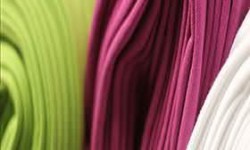
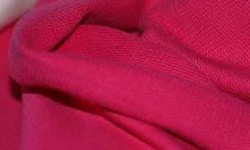
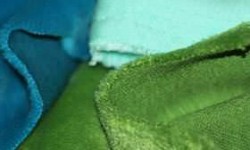
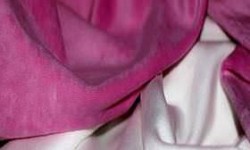
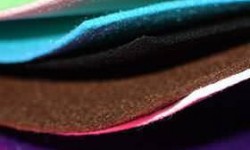
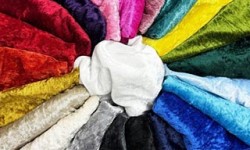
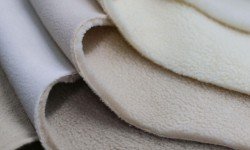
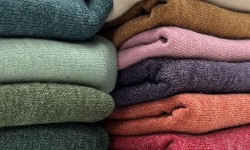
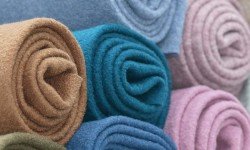
A well-made sweatshirt, hoodie or pair of joggers often stands out because of the finishing details. Good cuff fabric gives garments a clean, professional appearance while helping sleeve openings, necklines and waistbands fit comfortably and retain their shape. At Rijs Textiles, you will find a versatile collection of rib cuff fabric by the metre in a wide range of colours, structures and finishes for baby clothing, children’s wear, casual fashion and sportswear.
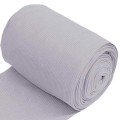
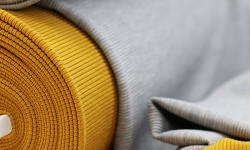
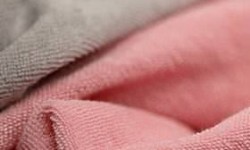
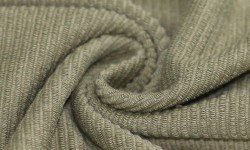
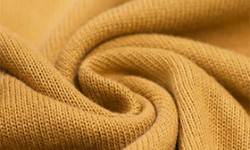
Cuff fabric — also known as ribbing fabric, cuffing fabric or rib knit cuffs — is an elastic knitted fabric with a recognisable ribbed structure. It stretches easily and returns towards its original shape after use. This makes it ideal for garment areas that need to fit closely without feeling restrictive, such as sleeve cuffs, neckbands, ankle cuffs and elastic waistbands.
What Is Cuff Fabric Used For?
Cuff fabric is mainly used to create neat, stretchy and shape-retaining finishes on clothing. It sits comfortably around the wrists, ankles, neck and waist and helps prevent garment openings from becoming loose or stretched out. For these applications, cuff ribbing is usually more suitable than ordinary woven fabric and often provides stronger recovery than standard jersey.
You can use rib cuff fabric for:
- Sleeve cuffs: for sweatshirts, hoodies, cardigans, jackets and long-sleeved tops.
- Neckbands: for T-shirts, sweaters, baby tops and sportswear.
- Waistbands: for joggers, skirts, sweatpants and comfortable trousers.
- Ankle cuffs: for jogging bottoms, harem trousers, baby leggings and pyjamas.
- Jacket trims: for bomber jackets, varsity jackets and other casual outerwear.
- Baby clothing: for soft neck openings, trouser bands and cuffs that fit comfortably.
Cuffing fabric is also useful for clothing repairs. If the ribbed cuff on a favourite jumper or jacket has become worn, it can often be replaced without discarding the entire garment. A small repair can give a well-loved item a surprisingly convincing second life.
Which Types of Cuff Fabric Are Available?
Not every sewing project needs the same type of ribbing. The best choice depends on the desired colour, structure, weight, stretch and overall appearance of the garment. Our collection includes several cuff fabric styles for different creative projects.
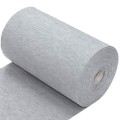
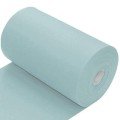
Unicolour Cuff Fabric
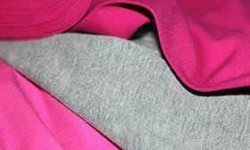
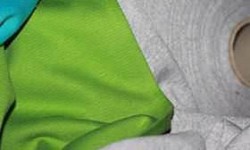
Unicolour cuff fabric is the most versatile option. Choose a colour that closely matches your main fabric for a calm, professional finish, or use a contrasting shade to turn the cuffs and neckband into a design feature.
Classic colours such as black, white, ecru, grey and navy work with many garments, while brighter and seasonal colours can instantly give a plain sweatshirt, hoodie or pair of joggers more personality.
Melange Cuff Fabric
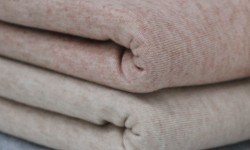
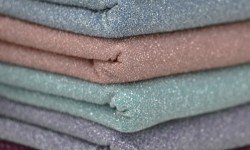
Melange cuff fabric has a softly blended colour effect created by different tones running through the knit. This gives the fabric a more lively and textured appearance.
Melange cuffs combine especially well with sweat fabric, jogging fabric, casual children’s clothing and grey-melange garments. A matching melange waistband or sleeve cuff creates a polished finish without looking overly formal.
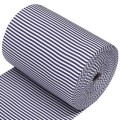
Striped Cuff Fabric
Striped cuff fabric adds an immediate sporty, collegiate or retro detail to a garment. It is especially popular for bomber jackets, varsity jackets, hoodies, cardigans and children’s clothing.
A simple plain fabric can look completely different once it is finished with a contrasting striped cuff or waistband. It is one of those details that quietly announces: yes, someone actually thought this through.
Jumbo Rib Knit Cuffs
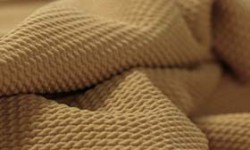
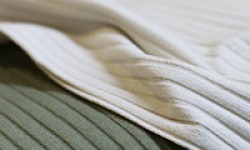
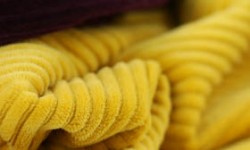
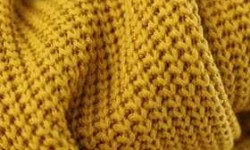
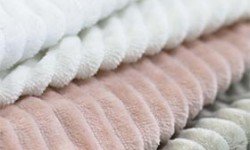
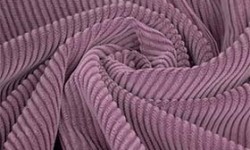
For a wider and more pronounced rib structure, explore our jumbo rib knit cuffs. The coarser ribs create more texture and give garments a sturdy, contemporary appearance.
Jumbo rib cuff fabric is a strong choice for heavier sweatshirts, oversized garments, jackets and designs where the cuff is intended to be a visible part of the overall look.
How Do You Match Cuff Fabric to the Main Fabric?
A suitable cuff should not only match the colour of your main fabric, but also its weight, stretch and character. A heavy sweatshirt or jogging fabric generally needs cuffing with enough body and recovery. A lighter baby or children’s jersey may work better with a softer, more flexible ribbing.
Cuff fabric combines particularly well with:
- Cotton jersey fabric: for T-shirts, baby clothing, dresses and comfortable tops.
- French terry fabric: for lightweight sweatshirts, shorts, joggers and cardigans.
- Printed sweatshirt fabric: for children’s hoodies, sweaters and casual clothing.
- Jogging fabric: for sweatpants, tracksuits and warm loungewear.
- Alpenfleece sweatshirt fabric: for warm jumpers, jackets and winter clothing.
Always compare the amount of stretch and recovery. The rib cuff fabric must stretch enough to pass over a head, hand or foot and then return neatly into shape. Strong recovery is particularly important for neckbands; a neckline that slowly migrates towards the shoulders is rarely the design statement anyone intended.
How Long Should a Rib Cuff Be?
For a neat fit, cuff fabric is usually cut shorter than the opening to which it will be attached. A common starting point is approximately 75% to 85% of the opening circumference, depending on the stretch and recovery of the specific cuffing fabric.
For example, if a neckline measures 60 cm, you might begin with a rib band measuring approximately 48 to 51 cm, excluding seam allowance. This is only a guideline. Always test the ratio using a small sample because different cuff fabrics can behave quite differently.
A waistband may be fitted more firmly, while a neckband needs enough ease to lie flat without pulling or causing the neckline to ripple.
How to Sew Cuff Fabric Neatly
Rib cuff fabric is generally straightforward to sew, but a few practical steps can make the finished result look significantly more professional:
- Use a stretch or jersey needle: it passes between the knitted loops and reduces the chance of skipped stitches or damage.
- Choose a stretch-compatible stitch: use a narrow zigzag, stretch stitch or overlocker so the seam can expand with the fabric.
- Divide both pieces into quarters: mark the cuff and the garment opening and match the four points before sewing.
- Stretch only the cuff: avoid pulling the main fabric, as this can create a wavy edge.
- Sew a test sample first: check the stretch, stitch length and thread tension before working on the garment.
- Press carefully: avoid excessive heat and do not flatten the rib structure unnecessarily.
Cuff Fabric for Baby and Children’s Clothing
Comfort is especially important in baby and children’s clothing. A good cuff should sit close to the body without feeling tight. Its elastic structure makes garments easier to put on and take off while helping sleeves and trouser legs stay in place.
Rib cuff fabric is ideal for baby trousers, sweaters, jackets, pyjamas, harem trousers and comfortable matching sets. Combine a calm unicolour cuff with a printed fabric, or use a contrasting shade to add a playful finish to a simple sewing pattern.
For soft and stretchy babywear, cuff fabric works beautifully with organic cotton jersey fabrics and other jersey qualities suitable for clothing worn close to the skin.
What Is the Difference Between Rib Jersey and Cuff Fabric?
Rib knit jersey fabric and cuff fabric both have a knitted rib structure, but they are not automatically the same product. Rib jersey is often designed for complete garments such as tops, dresses, leggings and baby clothing.
Cuff fabric is usually developed specifically for garment finishing. It often has stronger stretch recovery and enough structure to keep neckbands, sleeve cuffs and waistbands neatly in shape. The correct choice therefore depends on whether you are sewing an entire garment or finishing its edges.
Cuff Fabric by the Metre and for Larger Orders
At Rijs Textiles, you can order cuff fabric by the metre, allowing you to choose the amount needed for your project. This is convenient for a single sweatshirt, a clothing repair, a set of baby garments or a small handmade collection.
For ateliers, online shops, clothing labels and professional production, larger quantities and coordinated colour ranges are also useful. Because our cuff fabrics are available in many shades and finishes, you can match them with different jersey, sweatshirt and jogging fabrics and build a practical collection for repeat designs.
Buy Cuff Fabric at Rijs Textiles
Cuff fabric may only form a small part of a garment, but visually and practically it makes a substantial difference. A well-chosen neckband, waistband or sleeve cuff improves comfort, shape retention and the overall finish of your sewing project.
Explore our range of cuff fabrics by the metre and choose from unicolour, melange, striped and jumbo rib qualities. Select a colour that matches the main fabric or add a contrasting cuff to give your design a more distinctive look.
Frequently Asked Questions About Cuff Fabric
What is cuff fabric?
Cuff fabric is an elastic knitted fabric with a ribbed structure. It is primarily used for sleeve cuffs, neckbands, waistbands and ankle cuffs. The fabric stretches and recovers, helping garment openings fit neatly and retain their shape.
What is rib cuff fabric used for?
Rib cuff fabric is used to finish sweatshirts, hoodies, T-shirts, joggers, jackets, baby clothing and children’s wear. It can be used for sleeve cuffs, neckbands, waistbands and ankle cuffs.
What is cuffing fabric called?
Cuffing fabric may also be called cuff fabric, rib cuff fabric, ribbing fabric, rib knit cuffs or tubular ribbing. The exact name varies by country and supplier, but these terms generally refer to elastic ribbed fabric used for garment finishing.
How much shorter should cuff fabric be than the opening?
As a general guideline, cuff fabric is often cut to approximately 75% to 85% of the opening circumference. The ideal ratio depends on the stretch and recovery of the fabric and the desired fit. Testing a small sample first is recommended.
Which needle should I use for cuff fabric?
Use a jersey or stretch needle. These needles are designed for knitted fabrics and reduce the risk of damaged loops, skipped stitches and broken threads.
Can I sew cuff fabric with a regular sewing machine?
Yes, cuff fabric can be sewn with a standard sewing machine. Use a stretch stitch, narrow zigzag or another elastic stitch together with a jersey or stretch needle. An overlocker is useful but not essential.
Which cuff fabric works with jogging or sweatshirt fabric?
Choose cuffing with enough body, stretch and recovery for jogging or sweatshirt fabric. The colour can match the main fabric or provide a contrast. Always test whether the ribbing stretches sufficiently for the neckline, sleeve or waistband you are making.
Is cuff fabric suitable for baby clothing?
Yes, cuff fabric is highly suitable for baby clothing. It stretches comfortably, helps garments fit neatly and makes them easier to put on and remove. Make sure that neckbands, wrist cuffs and waistbands are not cut too tightly.
Is rib jersey the same as cuff fabric?
Not necessarily. Both fabrics have a knitted rib structure, but cuff fabric is usually designed specifically for elastic garment finishes and often has stronger recovery. Rib jersey can also be used for complete garments, depending on its weight and construction.
Can I buy cuff fabric by the metre?
Yes, at Rijs Textiles you can buy cuff fabric by the metre. This allows you to order the amount needed for cuffs, neckbands, waistbands, repairs or complete clothing collections.