
Which Fabric Is Best For A Raincoat
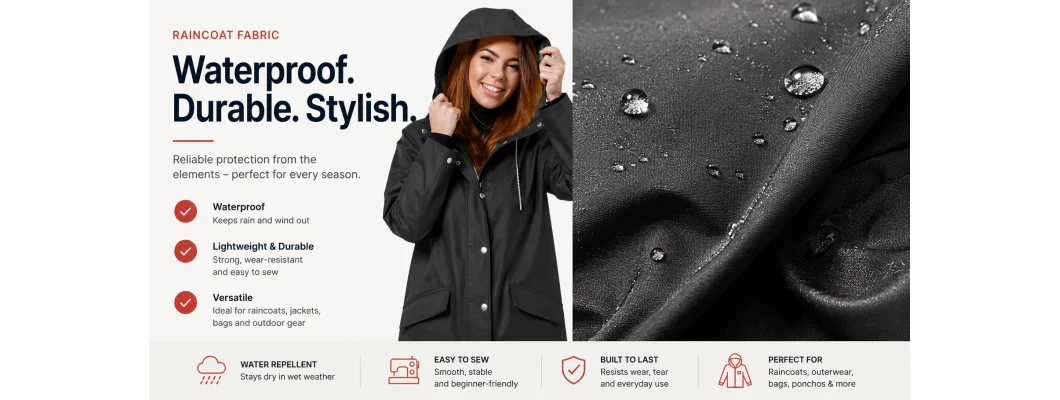
You know that moment when you're standing at the fabric table, rain jacket pattern in hand, and you suddenly realise your usual cotton or jersey stash just isn't going to cut it? That's exactly the situation that brings most people to us. A raincoat fabric has completely different requirements than the fabrics you'd normally reach for on a Saturday sewing afternoon. It needs to keep water out, but it also needs to move with your body, hold its shape, and not turn into a crackly, sweaty mess after twenty minutes of wear.
We get asked about this constantly, and honestly, it's one of our favourite topics because there's a clear right answer once you understand what's actually happening in the fabric. Unlike jersey fabrics or something soft and cosy, a proper rain jacket fabric is doing a technical job. Let's walk through what makes a fabric rain-ready, which type we recommend, and how to actually sew with it without wanting to throw your machine out the window.
What Makes A Fabric Rainproof, Really
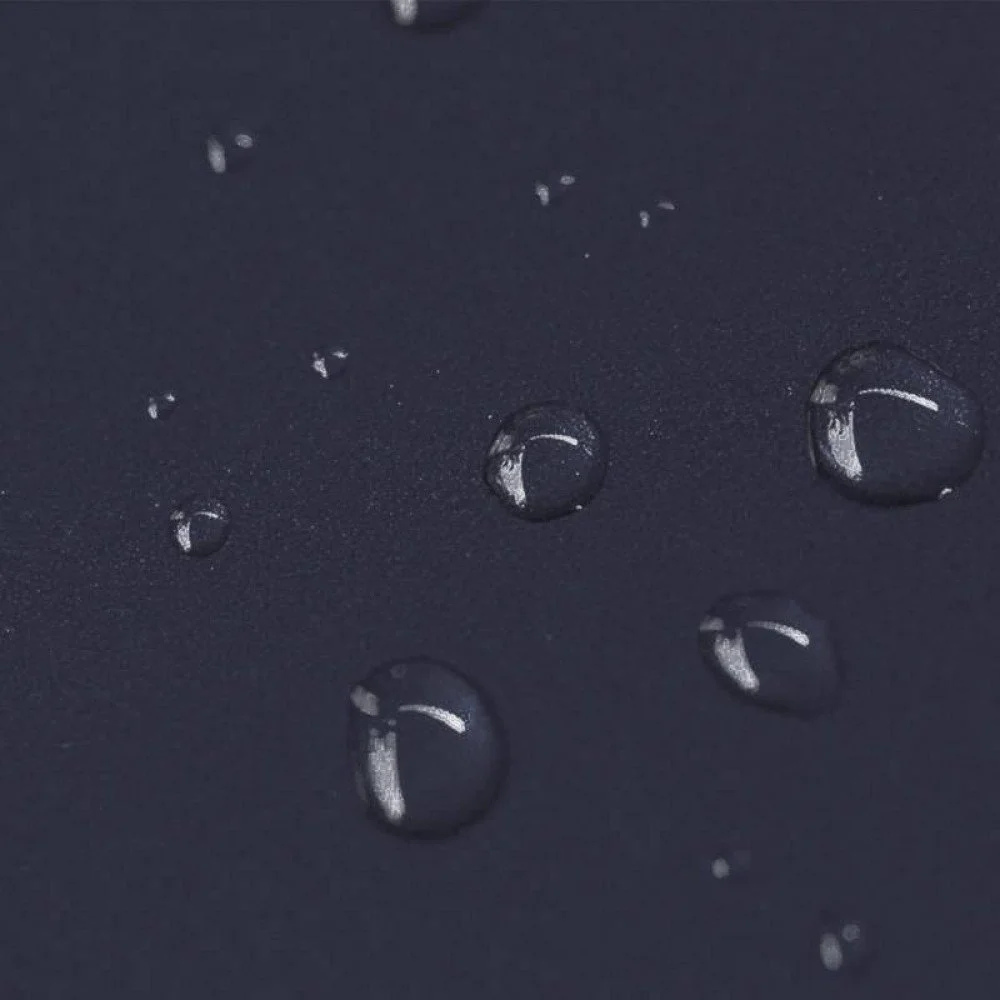
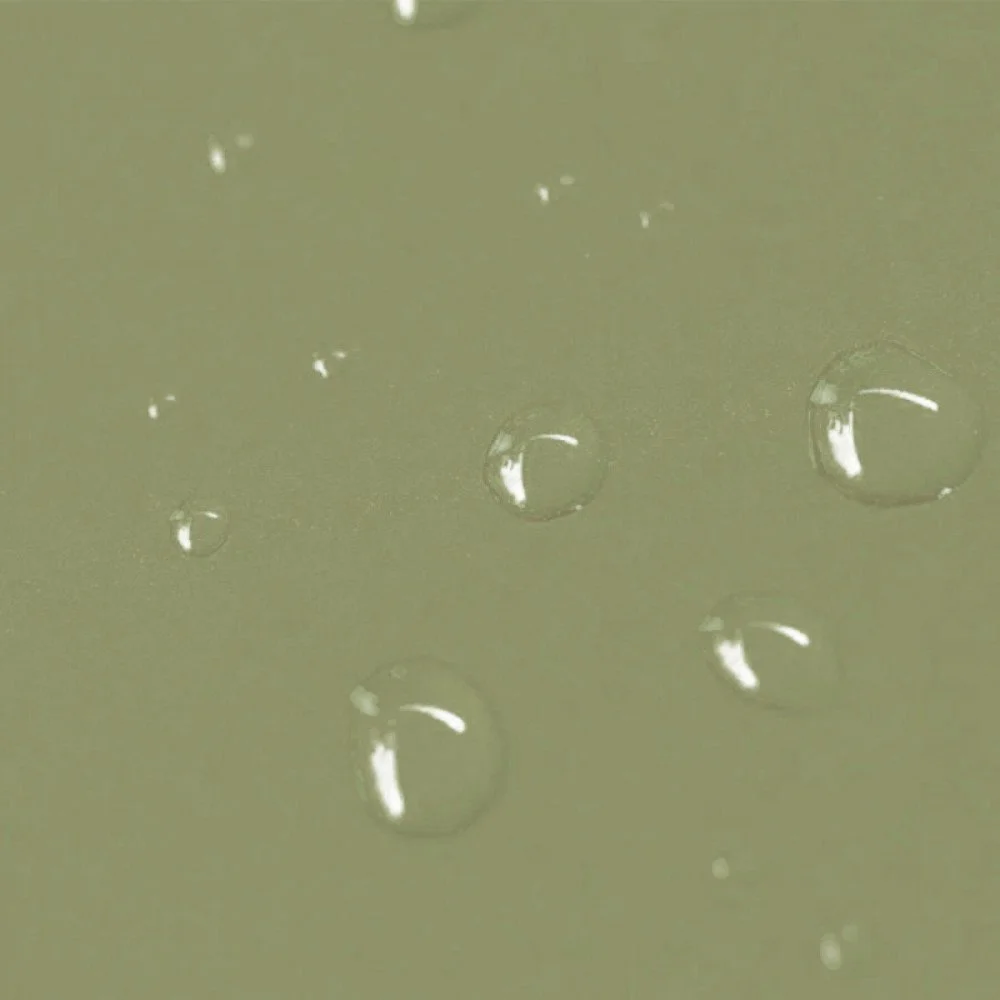
Here's the thing people often get wrong: a fabric being water-resistant and a fabric being waterproof are two very different things. Water-resistant fabrics slow water down. Waterproof fabrics stop it completely, thanks to a coating or membrane bonded onto the base textile. For a genuine raincoat, you want the second one.
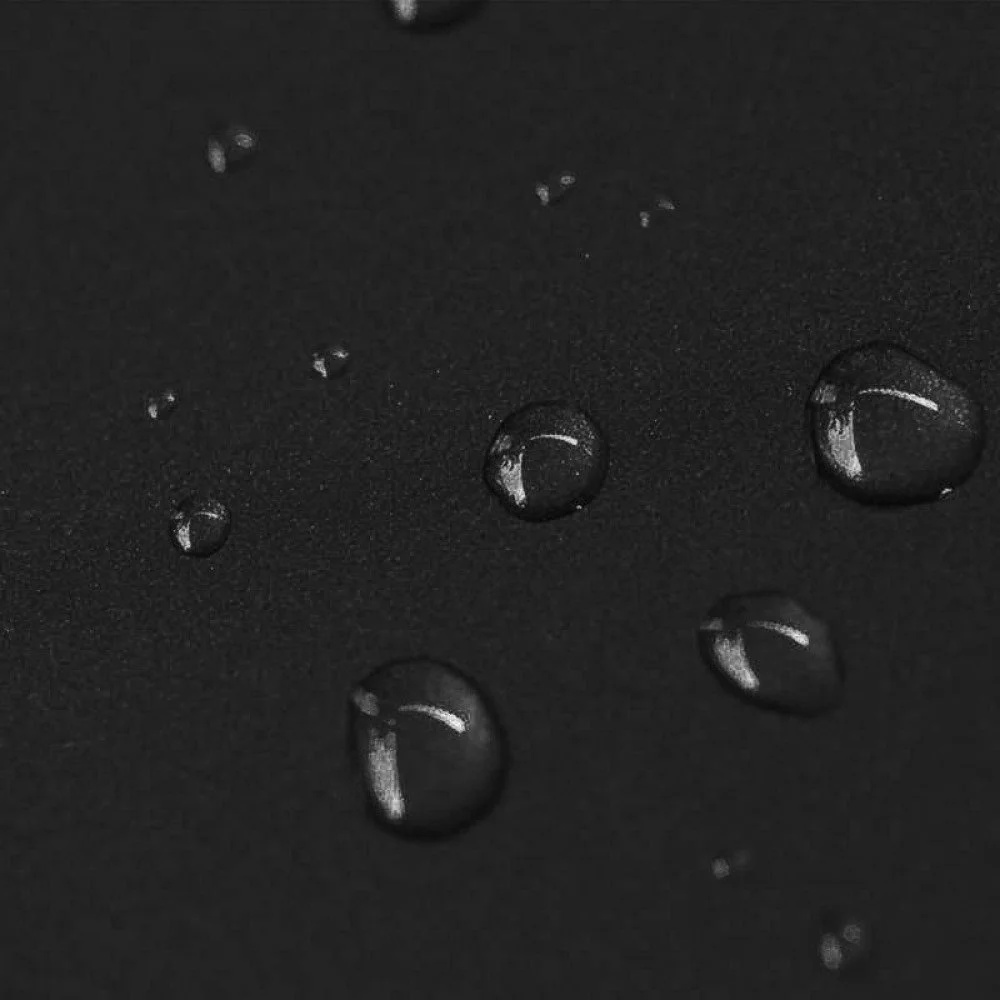
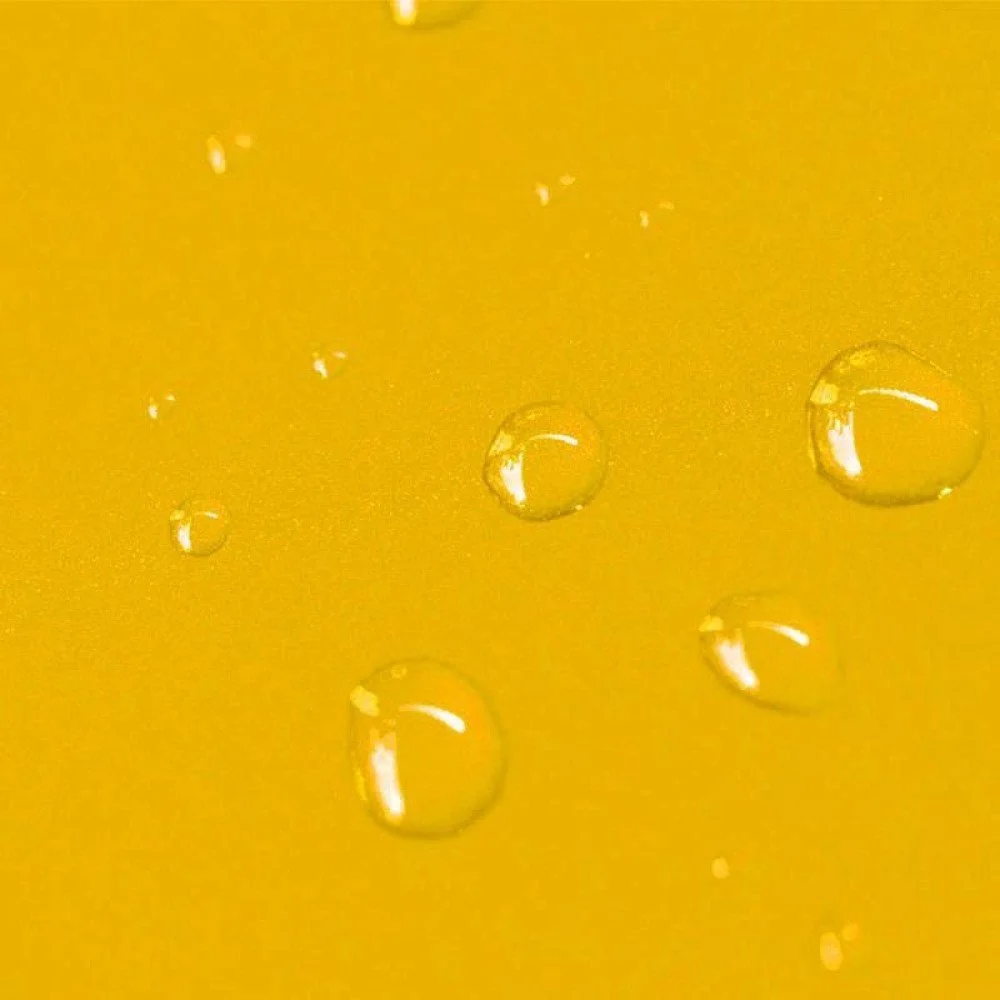
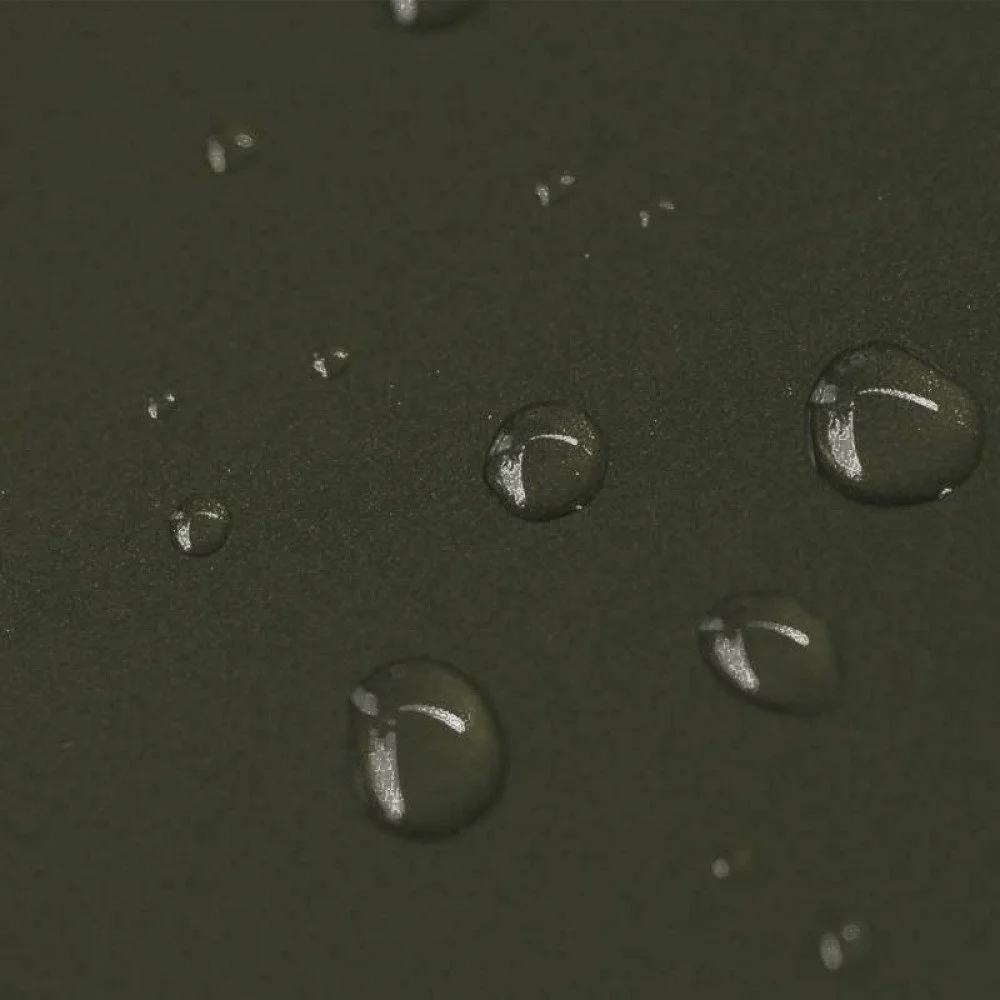
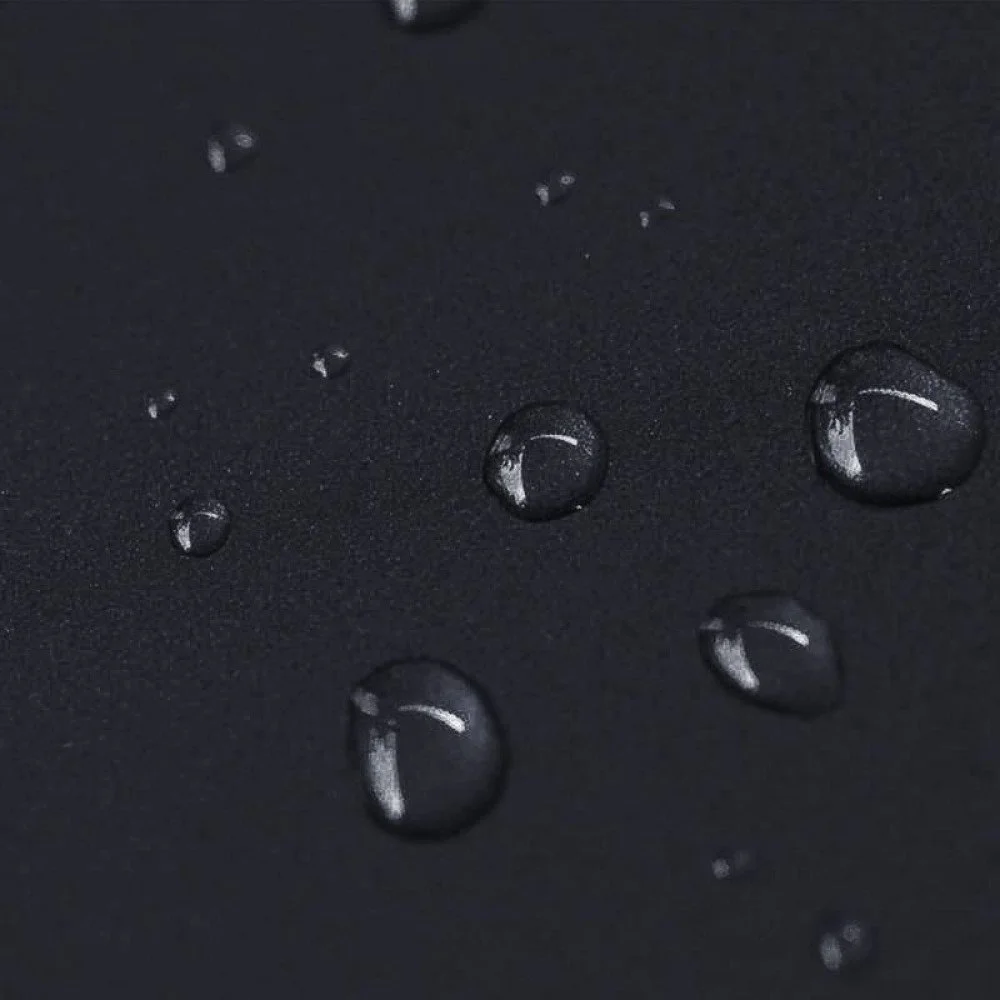
The magic usually happens through a polyurethane (PU) coating applied to a polyester base. The polyester gives the fabric strength, structure and a bit of stretch recovery, while the PU layer seals the fibres so water simply beads up and rolls off instead of soaking through. This combination is also what gives raincoat fabric that slightly glossy, smooth hand feel you'll recognise from good outdoor jackets. It's a completely different animal than linen fabrics or woven cottons, which breathe beautifully but let water straight through.
The Fabric We Recommend For Raincoats
Polyester-Polyurethane Blend (55% Polyester, 45% Polyurethane)
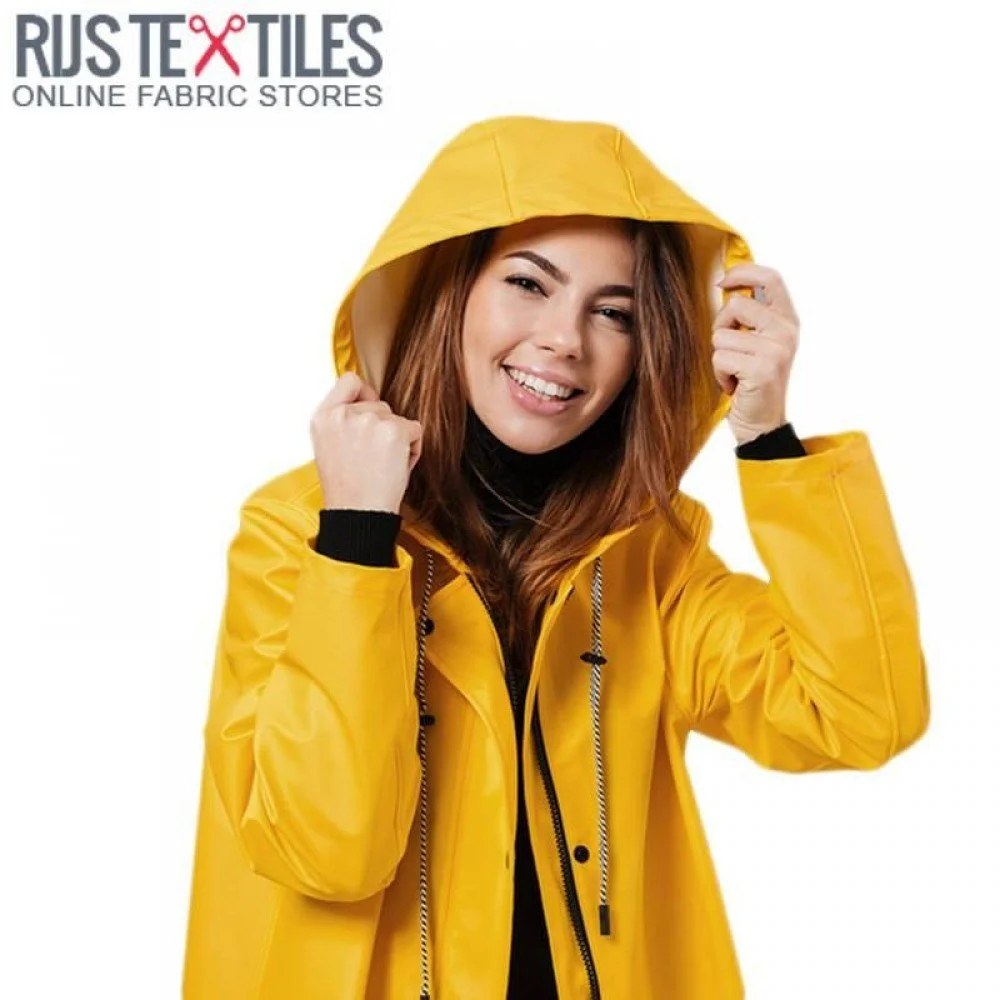
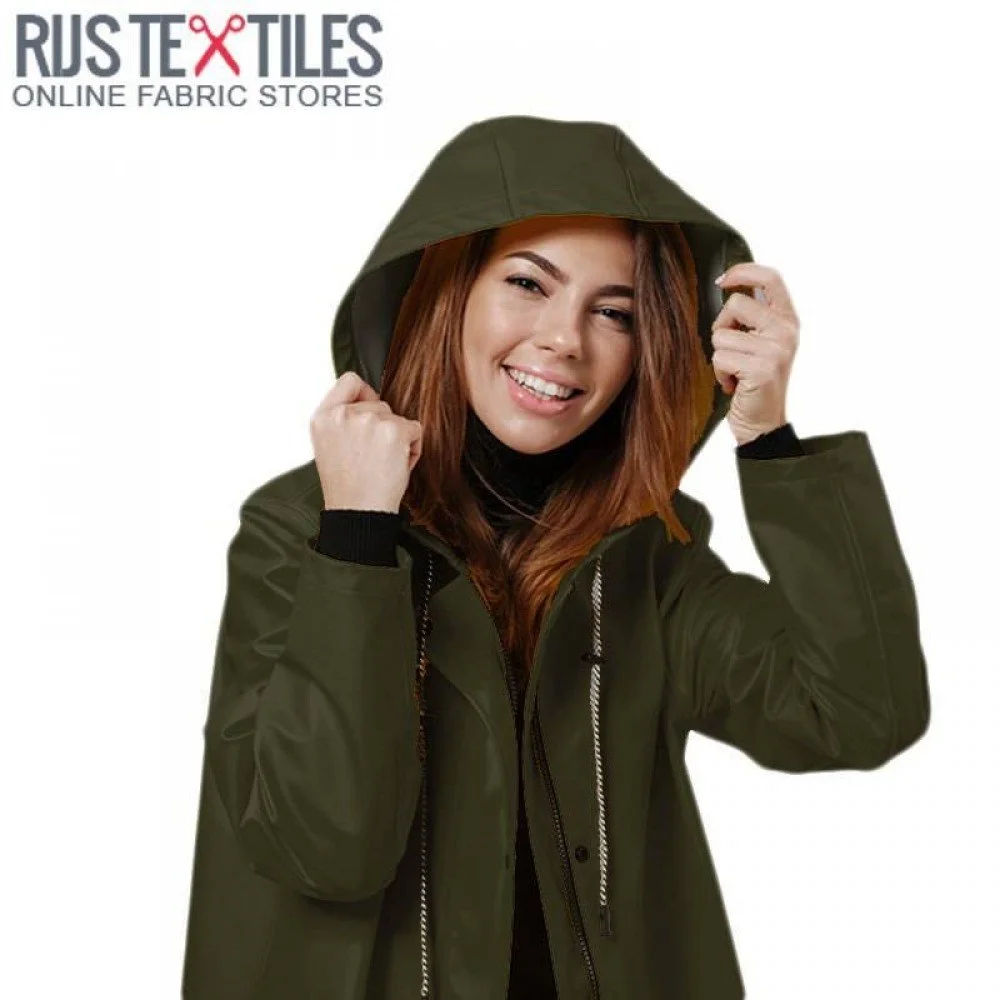
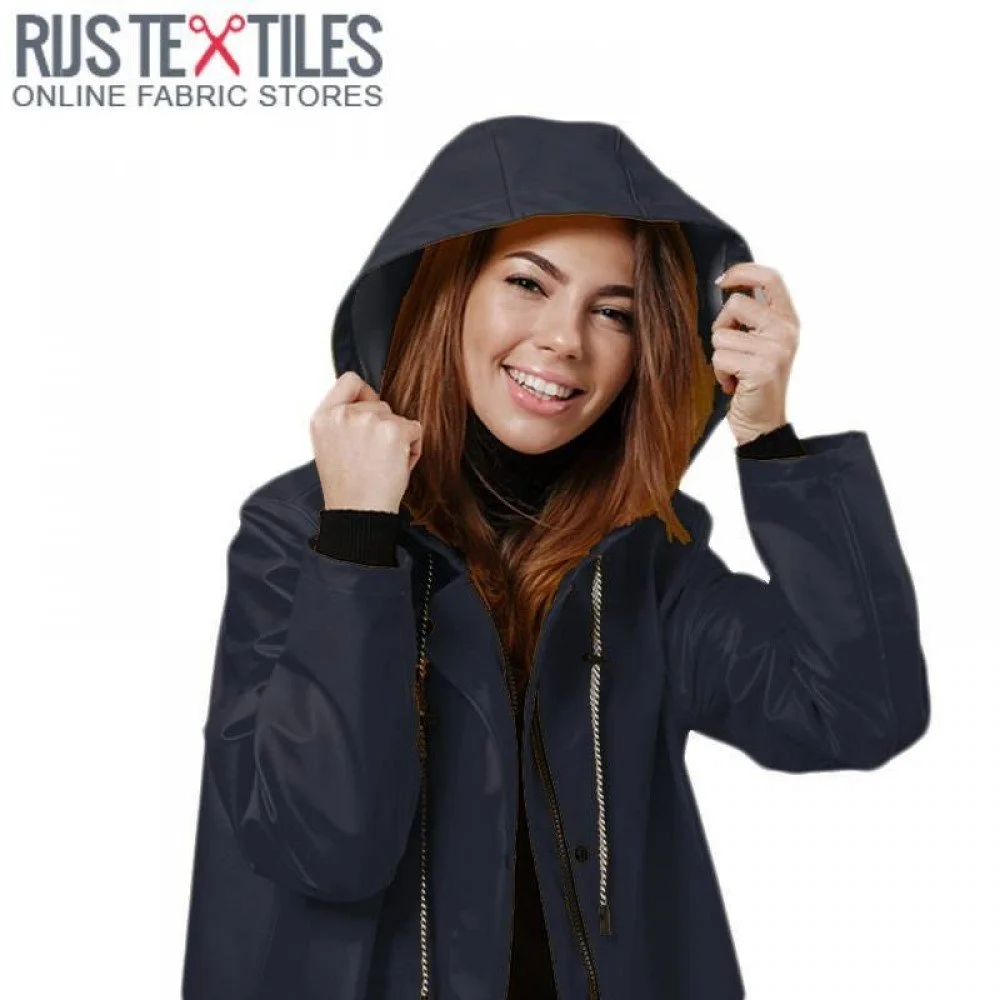
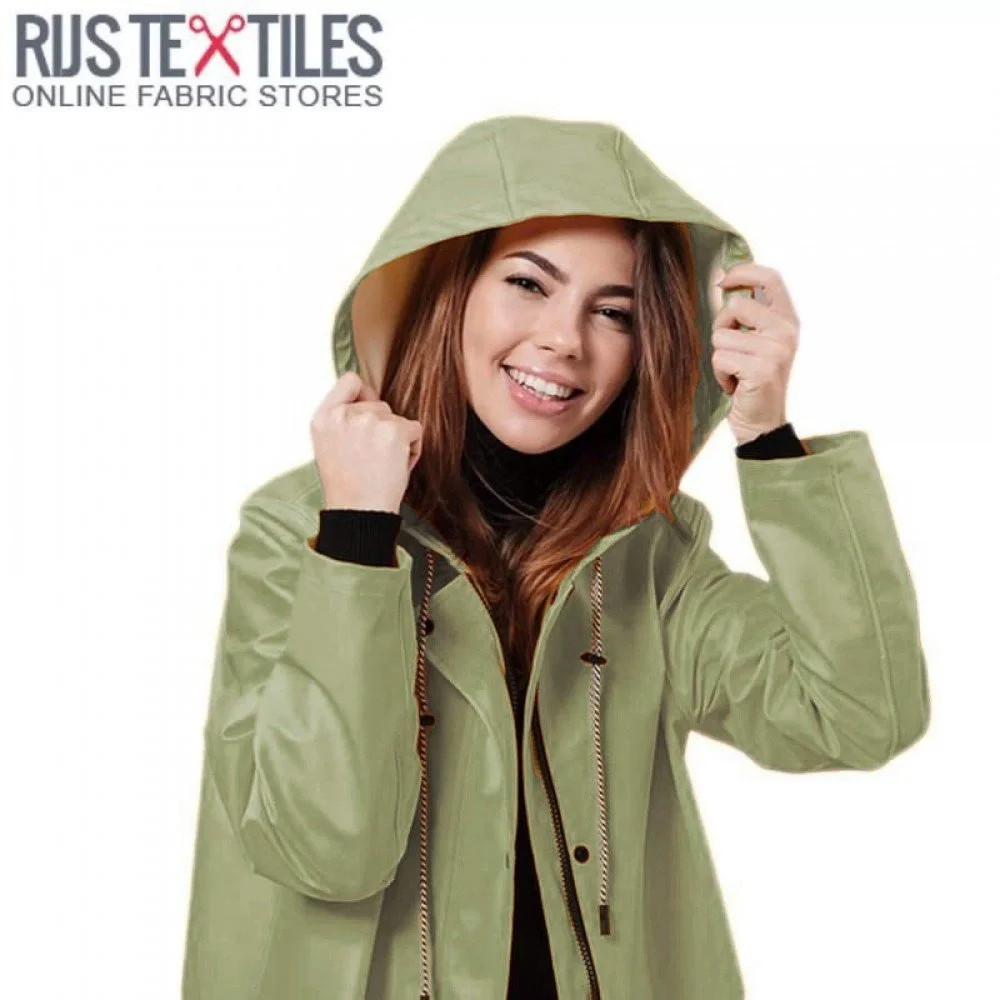
This is the fabric we point people towards again and again, and for good reason. At 142 cm wide and weighing 225 grams per square metre, it hits that sweet spot between substantial and wearable. It's not stiff like a tarp, but it has enough body to hold the shape of a hood, a collar, or a structured front zip panel. The PU content does the heavy lifting on waterproofing, while the polyester keeps things durable enough to survive years of actual rainy commutes, not just a rainy photoshoot. You'll find the full details on this one over on our raincoat fabric page, and it's genuinely become a bit of a favourite among the sewists who come back season after season for restocks.
Where It Fits Among Our Other Fabrics
If you're browsing more broadly, it's worth knowing where raincoat fabric sits compared to what else we stock. Our fashion fabrics range covers everything from tailoring to occasion wear, but rainwear fabric is its own technical category, closer in spirit to outdoor gear than fashion in the traditional sense. If you're pairing your raincoat with a soft lining, something like cotton jersey fabric or a brushed french terry fabric against the skin makes the jacket far more comfortable to actually wear, since the outer shell itself won't breathe as much as a cotton weave.
Practical Tips For Sewing With Raincoat Fabric
- Use a walking foot or roller foot — the PU coating can stick and drag under a regular presser foot.
- Pin as little as possible. Pin holes are permanent on coated fabric, so use clips or weights instead.
- Go with a slightly longer stitch length (around 3mm) to avoid perforating the fabric too much along seams.
- Seal your seams afterwards with seam tape or seam sealant if you want fully waterproof (not just water-resistant) results.
- Test your needle and thread on a scrap first — a fresh sharp needle glides through the PU layer much cleaner than a worn one.
- Avoid ironing directly on the coated side. If you must press, use a pressing cloth on a low, dry setting.
How To Choose The Right Fabric For Your Project
If you're making a genuine rain shell meant to handle a downpour, the polyester-polyurethane blend is your best bet, full stop. But if you're making something more like a light spring jacket for occasional drizzle, you have a bit more flexibility, and could look at treating a woven fabric with a spray-on waterproofing product instead. That's a completely different approach though, and won't hold up the same way over time.
Also think about lining. A raincoat with no lining can feel clammy fast, so many sewists add something breathable on the inside, like rib knit jersey fabric for cuffs, or a soft polar fleece fabric for a warmer winter version. If budget matters, it's always worth a quick browse through our fabric outlet or cheap fabrics section before committing to full price, especially if this is your first attempt at rainwear and you want room for mistakes.
Our Final Word
Making your own raincoat is genuinely one of the most rewarding sewing projects you can take on, because you end up with something that actually performs, not just something that looks nice hanging on a rack. Stick with a proper polyester-polyurethane blend, respect the fabric while sewing it, and you'll walk out into a storm with a jacket that keeps you properly dry. If you want to see what's currently in stock and get a feel for the fabric before you commit, check out our new fabrics page — we restock rainwear fabric regularly and it tends to move fast once the weather turns.
FAQ
Can I use regular polyester for a raincoat?
Plain polyester on its own won't keep you dry — it needs a coating like polyurethane to actually block water. Uncoated polyester will resist light splashes but soak through in real rain.
Is polyurethane-coated fabric breathable?
Not particularly. It's great at keeping water out, but that same coating limits airflow, which is why a breathable lining underneath makes a real difference in comfort.
How do I keep seams waterproof on a homemade raincoat?
Sew your seams as normal, then apply seam sealing tape with an iron on the reverse side, following the tape instructions. This closes up the needle holes left by stitching.
Can I wash raincoat fabric like regular fabric?
Wash it gently on a cool, low-agitation cycle and skip the tumble dryer heat, since high heat can damage the polyurethane coating over time. Air drying keeps it performing well for years.
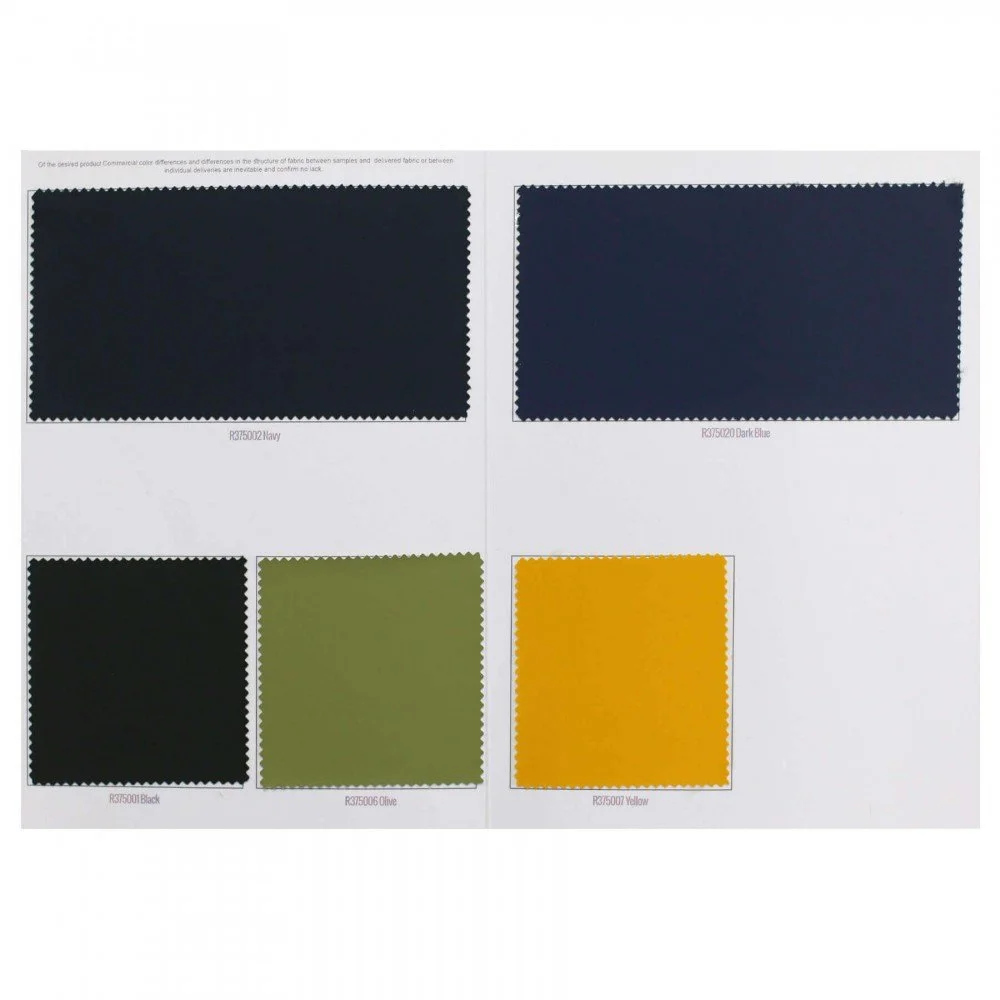
5 Different Colors.