
Chiffon Fabric: Everything You Need to Know About Buying Chiffon
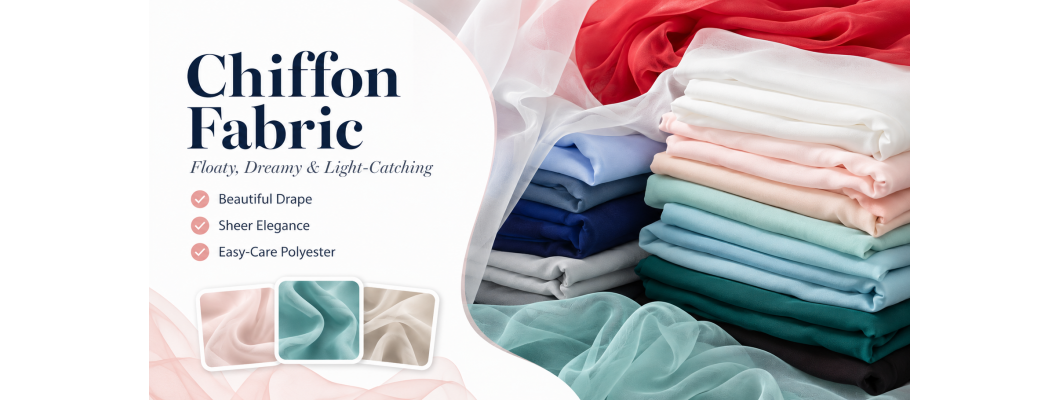
You know that floaty, dreamy fabric that catches the light beautifully and drapes like a whisper? That's chiffon fabric. I've helped countless customers pick out chiffon for everything from wedding dresses to summer scarves, and the first question is always the same: "Will I actually be able to sew this, or will it drive me mad?" Let me walk you through what you really need to know before you buy.
Chiffon has this reputation for being tricky, and honestly, it can be. But once you understand what you're working with and pick the right type for your project, it's one of the most beautiful fashion fabrics you can use. The shimmer, the movement, the way it layers—there's nothing quite like it.
What Makes Chiffon Different
Chiffon is a plain-weave fabric with a slightly pebbled surface, made from highly twisted yarns. That twist is what gives it both its characteristic texture and its sheerness. The weave is loose enough to create transparency, but tight enough to hold together. Most chiffon you'll find today is 100% polyester—and that's actually good news for home sewers. Polyester chiffon is more stable than silk chiffon, less expensive, and easier to care for.
Silk chiffon is gorgeous, no question. It's softer, has a more luxurious drape, and feels cooler against your skin. But it's also more delicate, harder to sew, and needs dry cleaning. For bridal wear or high-end garments, silk chiffon is worth considering. For everyday projects, polyester chiffon gives you that same floaty look with much less fuss.
Unlike structured fabrics like punta di milano fabric or even the relaxed stretch of viscose jersey fabric, chiffon has no stretch and no body. It moves with air currents. This is why it's brilliant for overlays, sleeves, and anything that needs movement, but not the best choice for structured garments.
Different Types of Chiffon You'll Come Across
Polyester Chiffon
This is your workhorse chiffon. It's what we stock most often because it's what most people actually need. Polyester chiffon holds its shape better than silk, doesn't wrinkle as easily, and you can machine wash it on a gentle cycle. It comes in every colour imaginable—from classic white and black to vibrant purple, royal blue, and even metallic finishes with glitter. The fabric has a slightly crisp hand compared to silk, which actually helps when you're sewing because it doesn't slip around quite as much.
Silk Chiffon
The luxury option. Silk chiffon has an incredible softness and drapes like water. The colours look richer, almost luminous. But it frays like crazy, slips under your presser foot, and shows every pinhole. If you're making a special occasion garment and you've got some sewing experience, silk chiffon is stunning. Just budget extra fabric for mistakes and use brand new, very sharp needles.
Printed and Embroidered Chiffon
These add another layer of interest. Floral prints are classic for spring and summer blouses. You'll also find geometric patterns, ombre effects, and even embroidered chiffon with metallic threads or sequins. The printed varieties are no harder to sew than solid colours, but embroidered chiffon needs extra care—you don't want to stitch through delicate embroidery work.
Working With Chiffon: What Actually Helps
Right, let's talk about the practical side. Chiffon intimidates people, but these tips make a real difference:
- Use a new microtex or sharp size 60/8 or 70/10 needle. Dull needles snag the fine yarns.
- Set your machine to a short stitch length—about 1.5 to 2mm. This prevents puckering.
- Lower your presser foot pressure if your machine allows it. Chiffon doesn't need much pressure to feed through.
- Put tissue paper under your fabric while sewing, then tear it away afterwards. This stops the fabric from being pulled into the throat plate.
- Cut with very sharp shears or a rotary cutter on a fresh mat. Dull blades will chew the fabric instead of cutting cleanly.
- Use lots of pins or pattern weights. Chiffon shifts, so secure everything well before cutting.
- French seams are your friend. They enclose raw edges beautifully and look professional on sheer fabric.
- Press with low heat and use a pressing cloth. Polyester can melt, and silk can water-spot.
If you're new to slippery fabrics, I'd honestly suggest practicing on something like viscose jersey fabric first—it has some give which is forgiving—or even checking out our fabric outlet for chiffon remnants you can practice on without worrying about waste.
Choosing the Right Chiffon for Your Project
Think about what you're making. A wedding dress overlay? You want something soft and drapey—polyester chiffon in white or off-white works beautifully and won't cost a fortune. A summer blouse? Look for printed chiffon in florals or abstract patterns. Table runners for a party? Solid colours in lengths by the metre give you flexibility.
Chiffon is genuinely good for summer because it's lightweight and breathable, but remember it's sheer. You'll need a lining or a slip underneath for most garments. I've seen customers layer chiffon over cotton jersey fabric for casual dresses—the jersey provides coverage and comfort, while the chiffon adds movement and style.
Colour-wise, navy blue, black, and blush pink are always popular. But don't overlook the jewel tones—emerald green, royal blue, deep purple. They photograph beautifully and work for evening wear. If you're making something for a specific event, order a sample first. Chiffon looks different when draped than it does folded on a shelf.
Final Thoughts on Buying Chiffon
Chiffon isn't the easiest fabric to work with, but it's not impossible either. Start with polyester, take your time, and use the right techniques. The results are worth it—there's something magical about a garment that moves with you, catches the light, and feels special. We stock a range of chiffon options in our fashion fabrics section, and you can always check our new fabrics for the latest colours and prints. If you're on a budget, have a look at our cheap fabrics page—you might find exactly what you need at a great price.
Frequently Asked Questions About Chiffon Fabric
Is chiffon fabric good for summer?
Yes, chiffon is excellent for summer. It's lightweight, breathable, and doesn't cling to your skin. The loose weave allows air circulation, which keeps you cool. Just remember that chiffon is sheer, so you'll need appropriate lining or layering underneath.
What is chiffon fabric made of?
Most chiffon today is made from 100% polyester, though traditional chiffon was silk. You can also find nylon chiffon occasionally. Polyester chiffon is more affordable, easier to care for, and more stable for sewing than silk chiffon, which makes it the popular choice for home sewers.
Is chiffon fabric stretchy?
No, standard chiffon has no stretch at all. It's a woven fabric made with highly twisted yarns in a plain weave. The drape and movement come from the lightweight, loose weave, not from any elasticity. This is different from knit fabrics which have natural give.
Can you wash chiffon fabric?
Polyester chiffon can be machine washed on a gentle cycle with cool water, though hand washing is safer. Always use a mesh laundry bag to prevent snagging. Silk chiffon should be dry cleaned or very carefully hand washed. Air dry chiffon flat rather than wringing or tumble drying to prevent damage.
Why is chiffon fabric so hard to sew?
Chiffon is slippery, sheer, and frays easily. It shifts while you're cutting and sewing, and the fine weave can pucker or snag with the wrong needle or tension. Using tissue paper underneath, sharp new needles, a short stitch length, and taking your time all help. With practice and the right techniques, it becomes manageable.