
How to Sew Chiffon Without Fraying or Tearing: Tips from a Fabric Expert
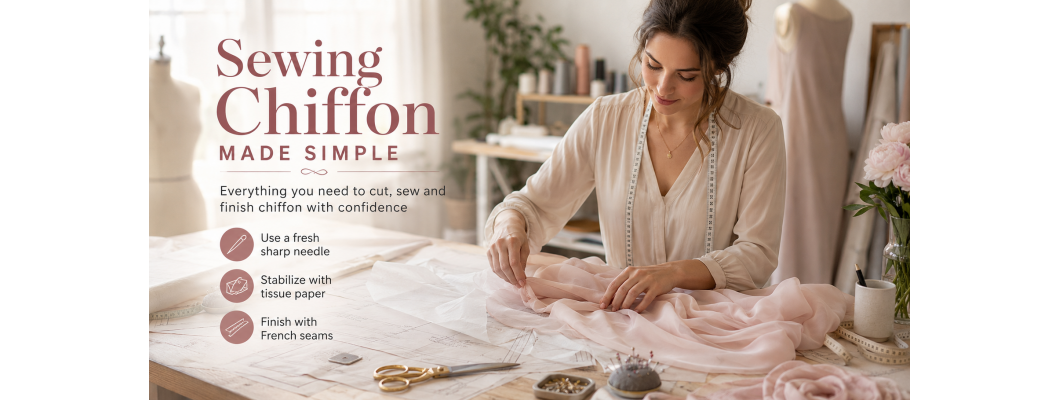
You've bought this gorgeous chiffon fabric, draped it over your arm at home, and suddenly the reality hits: how on earth are you going to sew this without it turning into a frayed mess? I get questions about sewing chiffon fabric all the time, and honestly, it's one of those materials that makes even experienced sewists nervous. But here's the thing—chiffon doesn't have to be scary once you know a few tricks.
The biggest mistake people make is treating chiffon like any other fabric in their stash. Unlike sturdy linen fabrics or forgiving jersey fabrics, chiffon demands a different approach from the moment you lay it on your cutting table. It shifts, it slides, it frays at the mere sight of scissors. But when you get it right? There's nothing quite like the floaty, elegant drape of a chiffon blouse or scarf.
Why Chiffon Behaves the Way It Does
Chiffon is woven from twisted yarns—traditionally silk, though nowadays you'll find polyester and nylon versions too. That tight twist gives chiffon its signature crisp hand and slight texture, but it also means the yarns want to unravel the second you cut them. The weave is plain but incredibly fine, which creates that beautiful transparency we love. The downside? Those delicate threads have practically no grip on each other, so fraying starts immediately.
When you're browsing through fashion fabrics, chiffon sits at the opposite end of the spectrum from stable knits or wovens. It has zero stretch, lots of slippage, and demands respect. Think of it as the high-maintenance cousin of your fabric family—beautiful but requiring special attention.
Essential Tools and Preparation
Before you even thread your machine, you need the right setup. I can't stress this enough: your regular sewing needles won't cut it. Here's what actually works:
- Use a fresh microtex or sharp needle, size 60/8 or 70/10. Dull needles will snag and pull threads, creating runs that look like tights after a cat attack.
- Switch to a straight stitch throat plate if you have one. The smaller needle hole prevents the fabric from being pulled down into the machine.
- Reduce your presser foot pressure. Chiffon is so lightweight that standard pressure will distort it as it feeds through.
- Shorten your stitch length to about 1.5-2mm. Smaller stitches mean less chance of fraying between each puncture.
- Cut with super sharp scissors or a new rotary blade. Dull blades drag and fray the edges before you even start sewing.
Here's a trick I learned years ago: sandwich your chiffon between two layers of tissue paper when you sew. The paper stabilizes everything, prevents slipping, and you just tear it away afterwards. Some sewists use wash-away stabilizer underneath, but honestly, tissue paper from the fabric outlet packaging works brilliantly and costs nothing.
Cutting and Handling Techniques
Chiffon starts misbehaving from the moment you unfold it. It clings to itself, slides off the table, and generally acts like it's trying to escape. Pin it to a sheet or tablecloth underneath before cutting—this stops the slipping. Some people spray it lightly with water, though I prefer the sheet method because it doesn't risk watermarks.
When cutting, use long, smooth strokes rather than short snips. Every time you lift the scissors, you risk shifting the layers. I also recommend cutting single layer when possible, even though it takes longer. Pattern weights work better than pins, which can leave permanent holes in such fine fabric.
Seam Finishes That Actually Work
French seams are your best friend with chiffon. They enclose all those fraying edges beautifully and look professional on sheer fabric. Start by sewing your seam wrong sides together, trim close to the stitching, then fold right sides together and sew again. The raw edges are now trapped inside.
For rolled hems, a serger with a rolled hem foot makes life easier, but you can absolutely do narrow rolled hems on a regular machine. It takes patience, but the results are worth it. Some sewists swear by using clear nail polish on the cut edge before hemming—it works, though I find it makes the fabric a bit stiff.
When Chiffon Isn't the Right Choice
Look, I love chiffon, but sometimes clients come in wanting it for projects where it'll just frustrate them. If you're making your first garment, start with something more forgiving like viscose jersey fabric or even cotton jersey fabric. Save chiffon for when you've got a few projects under your belt.
For children's clothes or anything that needs frequent washing, chiffon is usually too delicate. Consider linen fabrics instead—they have that same lightweight, breathable quality but can actually survive a childhood. And if you're making home decor like cushions, deco fabrics will give you much better durability.
Making Peace with Chiffon
Here's what I tell everyone who's nervous about working with chiffon: your first project probably won't be flawless, and that's completely fine. Buy extra fabric—you'll want to practice on scraps, and you might need to recut a piece or two. Start with something small like a scarf or simple top, not a fully lined dress with complicated pattern matching.
The good news? Once you've sewn chiffon successfully, other fabrics feel easy by comparison. It teaches you precision, patience, and proper technique in a way that more forgiving materials never will. And when you're wearing that floaty chiffon blouse you made yourself, knowing you conquered those fraying edges and slippery seams? That's a pretty great feeling.
Frequently Asked Questions About Sewing Chiffon
What type of needle should I use for chiffon fabric?
Use a fresh microtex or sharp needle in size 60/8 or 70/10. These needles have a very fine, sharp point that pierces the delicate fabric without snagging or creating runs. Replace your needle before starting a chiffon project, as even slightly dull needles will damage the fine weave.
How do I stop chiffon from sliding while I cut it?
Pin your chiffon to a sheet or tablecloth laid on your cutting surface, or use pattern weights instead of pins. Cut with long, smooth strokes using very sharp scissors or a new rotary blade. Cutting single layer, though slower, gives you more control and prevents the layers from shifting against each other.
What's the best seam finish for chiffon to prevent fraying?
French seams work beautifully for chiffon because they completely enclose the raw edges. Sew your seam wrong sides together first, trim close to the stitching, then fold right sides together and sew again. The fraying edges are now hidden inside the seam, and it looks professional on sheer fabric.
Can I use a regular sewing machine for chiffon or do I need a serger?
You can absolutely sew chiffon on a regular sewing machine with the right setup. Use a small stitch length, reduce presser foot pressure, and consider sandwiching the fabric between tissue paper for stability. A serger makes rolled hems easier, but it's not essential for successful chiffon sewing.
Why does my chiffon keep getting pulled into the throat plate?
This happens when the needle hole in your throat plate is too large for such delicate fabric. Switch to a straight stitch throat plate if you have one, which has a smaller needle hole. You can also place tissue paper under the fabric to prevent it from being pulled down into the machine.
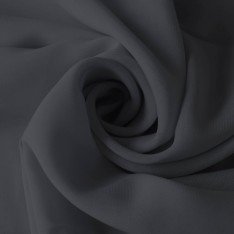
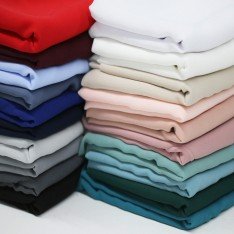
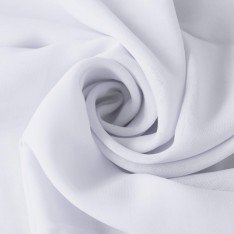

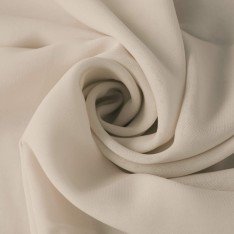
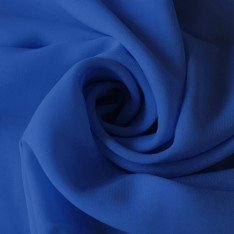


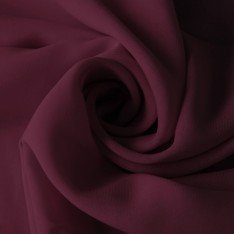
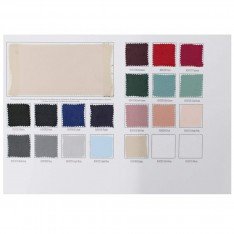
20 Different Colors.

€ 2.40 Incl. Tax.