Orange Fabrics for World Cup 2026 - Make Your Own Fan Gear
The World Cup is here and the Dutch streets are turning orange again. You can buy a standard fan shirt at the supermarket, but where's the fun in that? Making your own supporter outfit or flag means you show up with something unique, something that actually fits well, and something you can wear year after year. I've been helping customers pick the right orange fabrics for World Cup projects for years now, and honestly, it's one of my favourite times at the shop.
The questions I get are always the same: which fabric works for a T-shirt that survives multiple matches (and the washing machine)? What holds up for a flag that needs to wave through rain and wind? And how do you make those fun accessories like headbands or capes without needing advanced sewing skills? Let me walk you through what actually works, based on what I see people making successfully. Our fashion fabrics collection has plenty of orange options to get you started.
Why Fabric Choice Matters for Fan Gear
Not all orange fabrics are created equal. A shirt you're planning to wear to three group matches plus (fingers crossed) the knockout rounds needs to be washable and comfortable. That means you want something with stretch that breathes. A flag you're making for one street party? You can go cheaper and lighter. The fabric you choose depends entirely on how you'll use it and how long it needs to last.
I always tell people to think about sweat, rain, and whether you're sitting in a packed pub or standing outside in June heat. That changes everything. A heavy cotton flag looks great but gets impossibly heavy when wet. A synthetic jersey might not feel nice for hours of wearing. These details matter when you're actually using what you make.
Fabric Types for Different Fan Projects
Shirts, Dresses and Wearable Outfits
For anything you're going to wear on your body, grab jersey fabrics. They stretch, they're comfortable, and they move with you when you jump up celebrating a goal. A basic cotton jersey fabric works brilliantly for T-shirts. It washes well and doesn't get clammy. If you want something a bit sturdier with more structure, try punta di milano fabric. It's thicker, holds its shape beautifully, and looks more polished than a standard jersey.
For kids who'll be running around and possibly spilling orange juice on themselves, cotton jersey is your friend. It takes a beating in the wash and dries quickly. You'll need about 1.5 metres for an adult T-shirt and around 1 metre for a child's size, depending on the pattern you're using.
Flags, Banners and Outdoor Decorations
Flags need to be light enough to wave but sturdy enough not to rip. A medium-weight cotton works well, or you can go with a polyester fabric if you're worried about rain. The trick is avoiding anything stretchy. You don't want your carefully painted text or sewn-on letters to warp and sag. Regular cotton from our deco fabrics range does the job. For a standard flag you can wave around, you're looking at about 1 to 1.5 metres.
Headbands, Crowns and Small Accessories
Felt is genuinely brilliant for accessories. You can cut shapes without hemming because it doesn't fray. Make crowns with little lions, headbands with orange peaks, or even small shoulder capes. It's stiff enough to hold a shape but light enough to wear all day. You don't need much fabric either—half a metre gives you enough for several headbands or a child's crown.
Statement Pieces with Sparkle
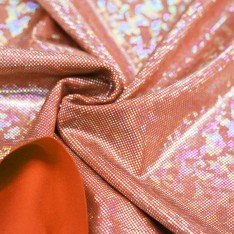
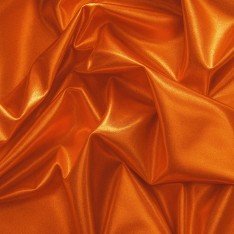
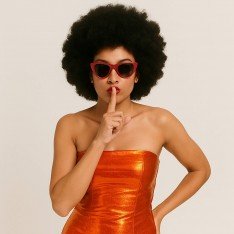
Want to stand out in the crowd? Glitter fabric or lurex adds that extra punch. I've seen people make waistcoats, bow ties, and even trousers with a bit of shimmer. It catches the light brilliantly in photos and videos. Just know that glitter fabrics can be a bit scratchy, so if you're making a shirt, consider lining it or using it just for accents.
Scarves, Boas and Light Layers
For something you can throw around your neck or tie to your bag, you want lightweight and breathable. A simple cotton voile or a soft viscose works beautifully. If it's chilly during evening matches, grab something from our fleece fabrics collection. Orange fleece makes cosy scarves that actually keep you warm.
Practical Tips for Working with Orange Fabrics
- Wash your orange fabric before you start sewing, especially the really bright oranges. Some dyes can bleed, and you don't want your new white trainers turning peachy after one rainy match.
- If you're using jersey, use a ballpoint or stretch needle in your machine. Regular needles can skip stitches or create holes.
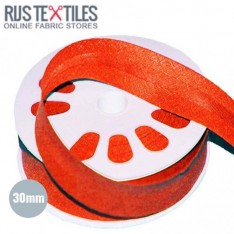
- For flags and banners, finish the edges with a simple hem or bias binding. Raw edges fray quickly, especially outdoors.
- Test your fabric if you're planning to paint or use iron-on transfers. Not all fabrics take decoration the same way.
- If you're making multiple outfits for a group, buy all your fabric at once. Dye lots vary, and oranges can look surprisingly different from one batch to the next.
- Consider making things adjustable. Elastic waistbands, drawstrings, and Velcro fastenings mean your creation can fit different people or last through growing kids.
Choosing the Right Fabric for Your Skill Level
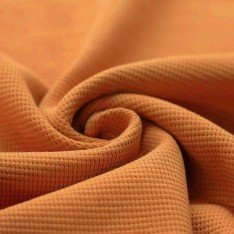
If you're new to sewing, start with something simple like a cotton jersey T-shirt or a basic flag. Both are forgiving and don't require fancy techniques. You can find easy patterns online or even trace an existing T-shirt you already own. French terry fabric is also lovely to work with—thicker than regular jersey so it doesn't slip around as much when you're cutting and sewing.
If you've been sewing for a while, try something more structured like a scuba crepe jersey fabric dress or a lined jacket. Scuba fabric has body and doesn't fray, which makes it surprisingly easy to handle even for more complex patterns. You can create really smart-looking fan wear that you'd actually wear outside of match days too.
Get Started with Your World Cup Sewing
The group stage matches are happening now, so there's still plenty of time to make something special. Whether you're sewing a simple T-shirt, creating a flag for your street, or making matching outfits for your whole family, the right fabric makes all the difference. Browse through what we have and grab a few metres of orange. And if you're not quite sure what you need, you can always check our fabric outlet for great deals on remnants—sometimes you'll find just enough for a project at a nice price. Good luck with your sewing, and come on, Oranje!
Frequently Asked Questions
How much orange fabric do I need for a basic T-shirt?
For an adult T-shirt, you'll need about 1.5 metres of jersey fabric at 150cm width. Children's sizes usually need around 1 metre. If you're using a specific pattern, check the fabric requirements listed on the envelope—they vary depending on the design and your size.
What's the best fabric for a flag that needs to last through multiple matches?
Go with a medium-weight cotton or cotton-polyester blend. Pure polyester is lightweight and water-resistant, which is great for outdoor use. Avoid stretchy fabrics like jersey—they'll warp and sag. A metre to a metre and a half gives you a good waving-sized flag.
Can I wash my homemade orange fan shirt?
Absolutely, if you've chosen the right fabric. Cotton jersey and similar knits wash beautifully. Wash your fabric before sewing to prevent shrinkage, and always wash bright orange separately the first few times in case the dye bleeds. Most quality jersey fabrics hold their colour well after that initial wash.
What fabric works best for kids' World Cup outfits?
Cotton jersey is your best bet. It's soft, stretchy, breathable, and survives enthusiastic play and frequent washing. Kids get hot and sweaty running around, so you want something comfortable. Cotton jersey ticks all those boxes and it's easy to sew even if you're relatively new to working with knits.
Do I need special equipment to sew jersey fabrics?
Not really. A regular sewing machine works fine with jersey if you use a ballpoint or stretch needle and a slight zigzag stitch instead of a straight stitch. This allows the seam to stretch with the fabric. A serger is lovely to have but definitely not essential for making fan shirts.