What is Jersey Fabric? A Real Guide for Sewing Enthusiasts
You're standing in front of your closet, picking up that t-shirt you've worn a hundred times, the one that moves with you and never feels stiff. You flip the label over out of curiosity and there it is: jersey. Half of your wardrobe is probably made from it and you never really thought twice about what it actually is. That's about to change, because once you understand jersey fabric, you'll start seeing it everywhere, and you'll know exactly why your favourite garments feel the way they do.
At Rij's Textiles we get asked about this constantly, especially from people just starting to sew with knits. It's honestly one of my favourite topics because jersey is such a forgiving, comfortable fabric to work with once you know its quirks. Our full range of jersey fabrics covers dozens of weights, fibres and finishes, so there's a good chance you'll find exactly what you're picturing in your head.
What Jersey Fabric Actually Is
Jersey isn't a fibre, it's a knitting technique. That's the bit that trips people up. You can knit jersey from cotton, viscose, wool, polyester, bamboo, basically anything spinnable, and it will still be called jersey because of how the loops are constructed. The fabric is made with a single knit stitch, looped continuously in one direction, which is exactly why it stretches horizontally and curls at the cut edges when you're not careful.
That looped structure is also why jersey feels so soft against skin and drapes rather than holds a stiff shape. It's breathable, it moves with your body, and it recovers its shape reasonably well depending on the fibre content. Compare that to a woven fabric like linen fabrics, where threads cross over and under each other in a rigid grid with almost no give. That structural difference explains basically everything about how jersey behaves on your sewing machine and on your body.
The Many Faces of Jersey
Jersey comes in so many variations that calling it "just one fabric" really undersells it. Here are the ones we get the most questions about.
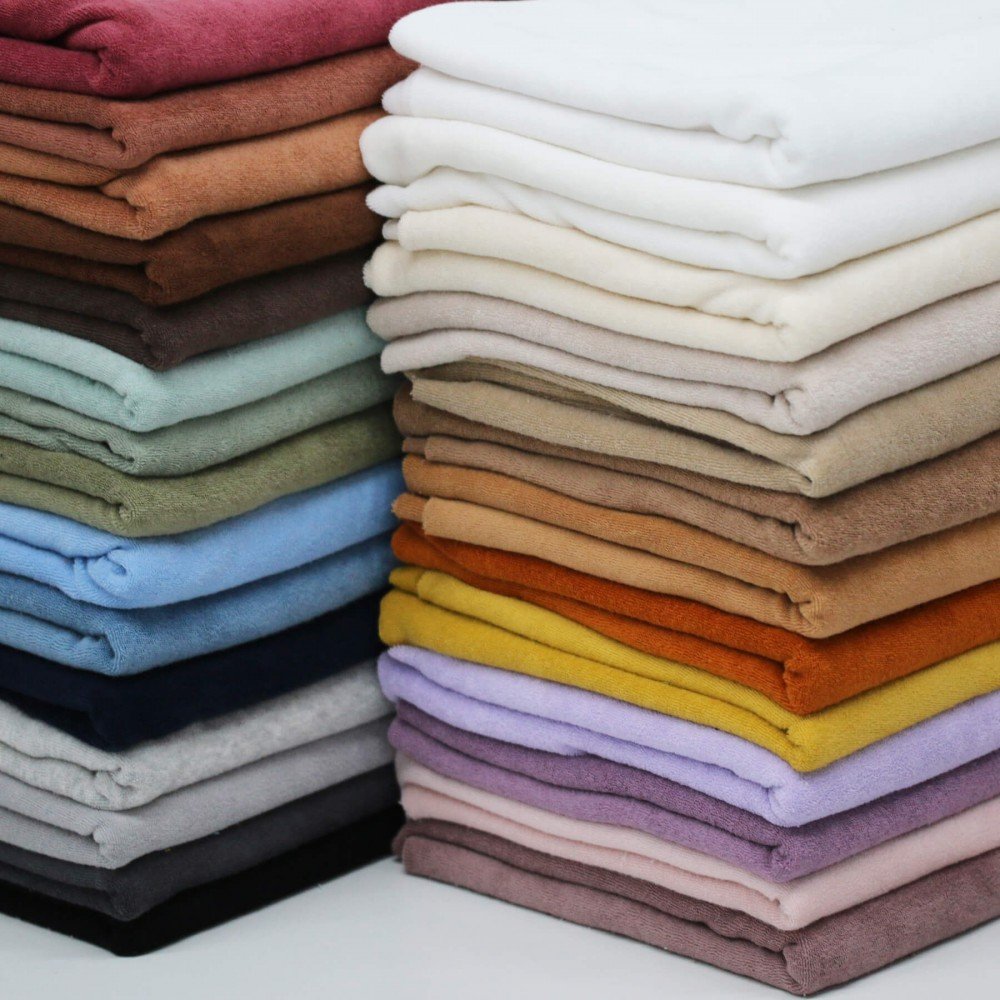
Cotton jersey fabric
This is the classic t-shirt fabric, soft, breathable, and easy to sew even for beginners. It has a nice medium stretch and washes beautifully, which makes it a solid first choice if you've never sewn with knits before.
French terry fabric
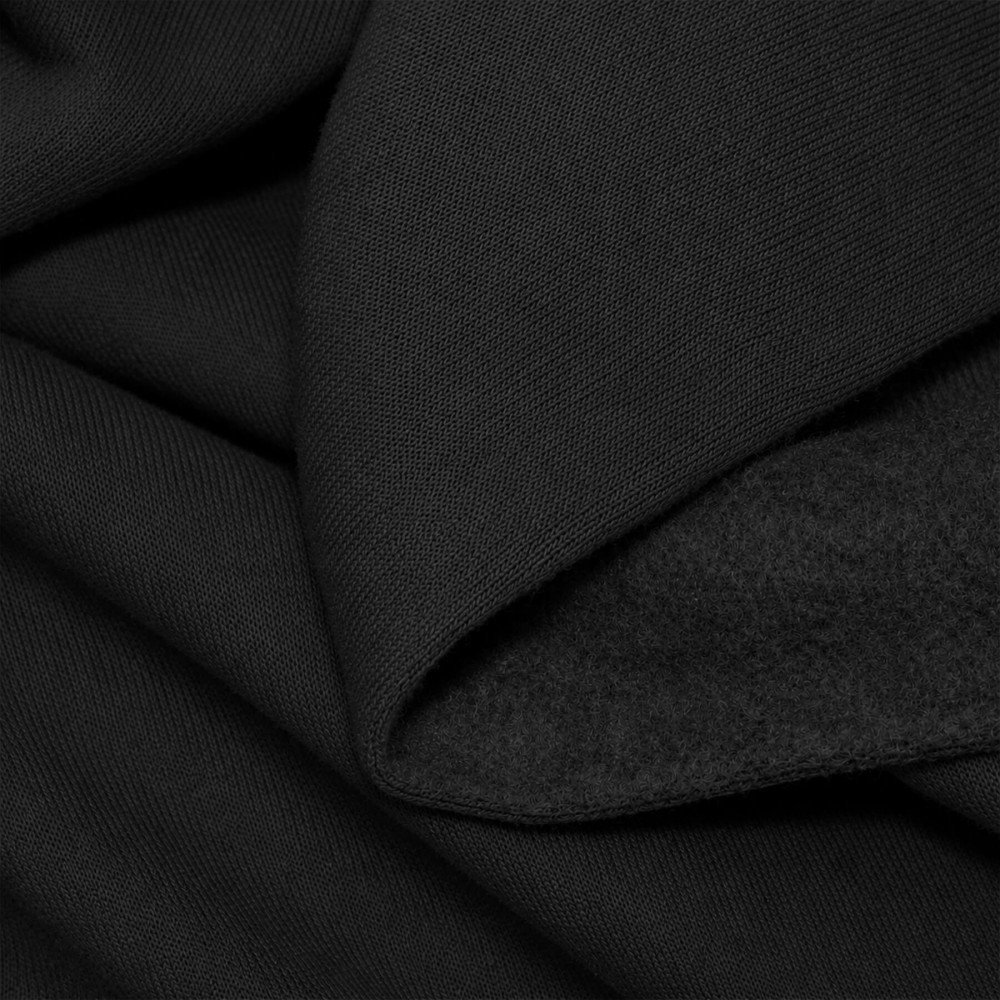
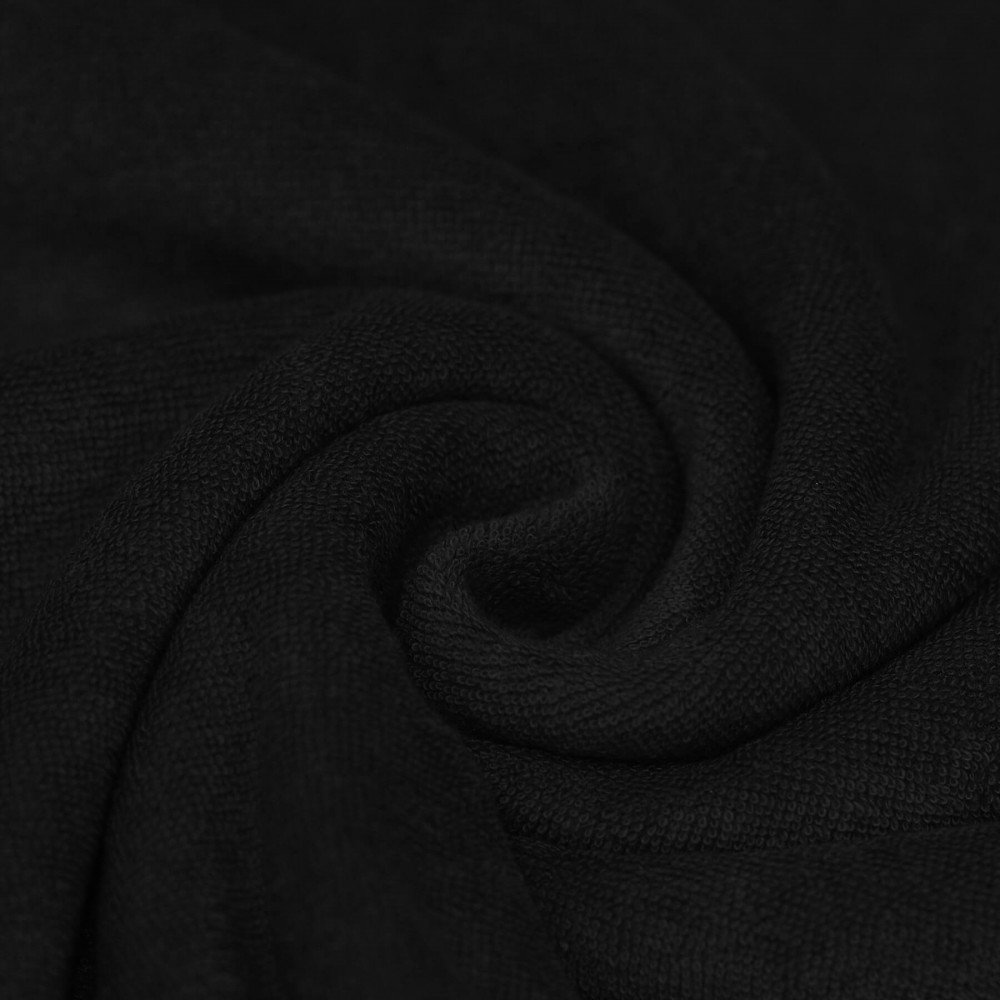
Loopy on the inside, smooth on the outside, this one is what most sweatshirts are made from. It's heavier than plain jersey and gives garments a bit more structure while staying comfortable.
Ottoman rib jersey fabric
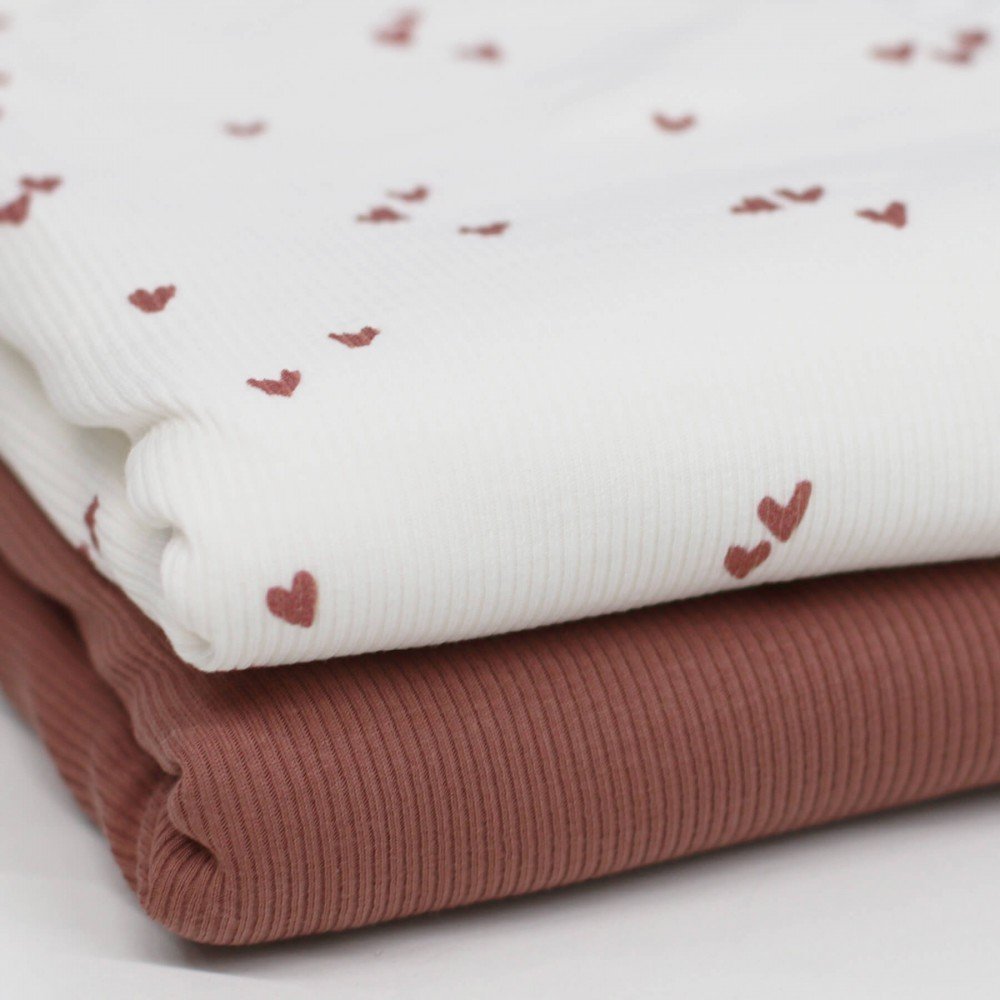
You'll recognise this by its raised horizontal ribs. It has excellent recovery, which makes it a favourite for fitted dresses and skirts that need to bounce back into shape after sitting all day.
Punta di Milano fabric
Thicker and more stable than regular jersey, this one holds its shape well and is a lovely choice for blazers, structured dresses, or trousers that still need some stretch for comfort.
Scuba crepe jersey fabric
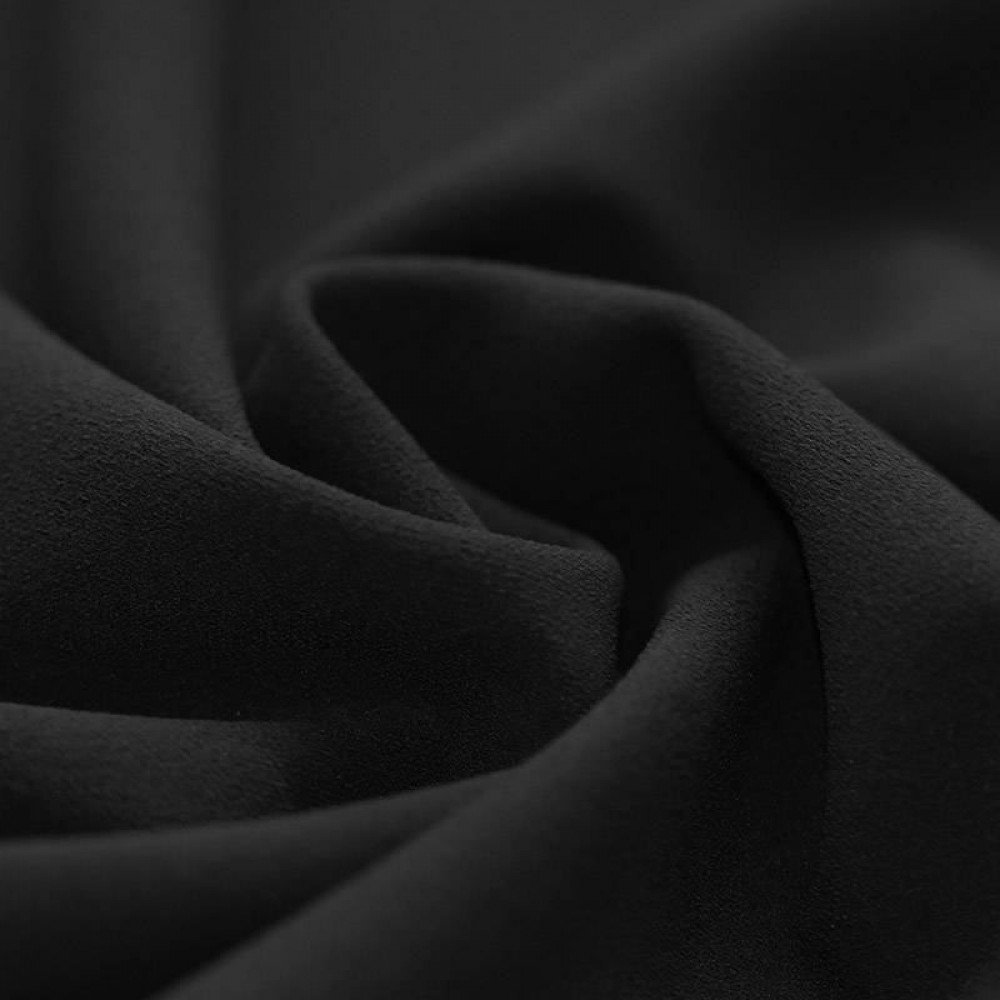
Dense, spongy, and slightly stiff, scuba is great when you want a garment that holds a silhouette rather than draping loosely, think structured skirts or statement sleeves.
Pointelle fabric
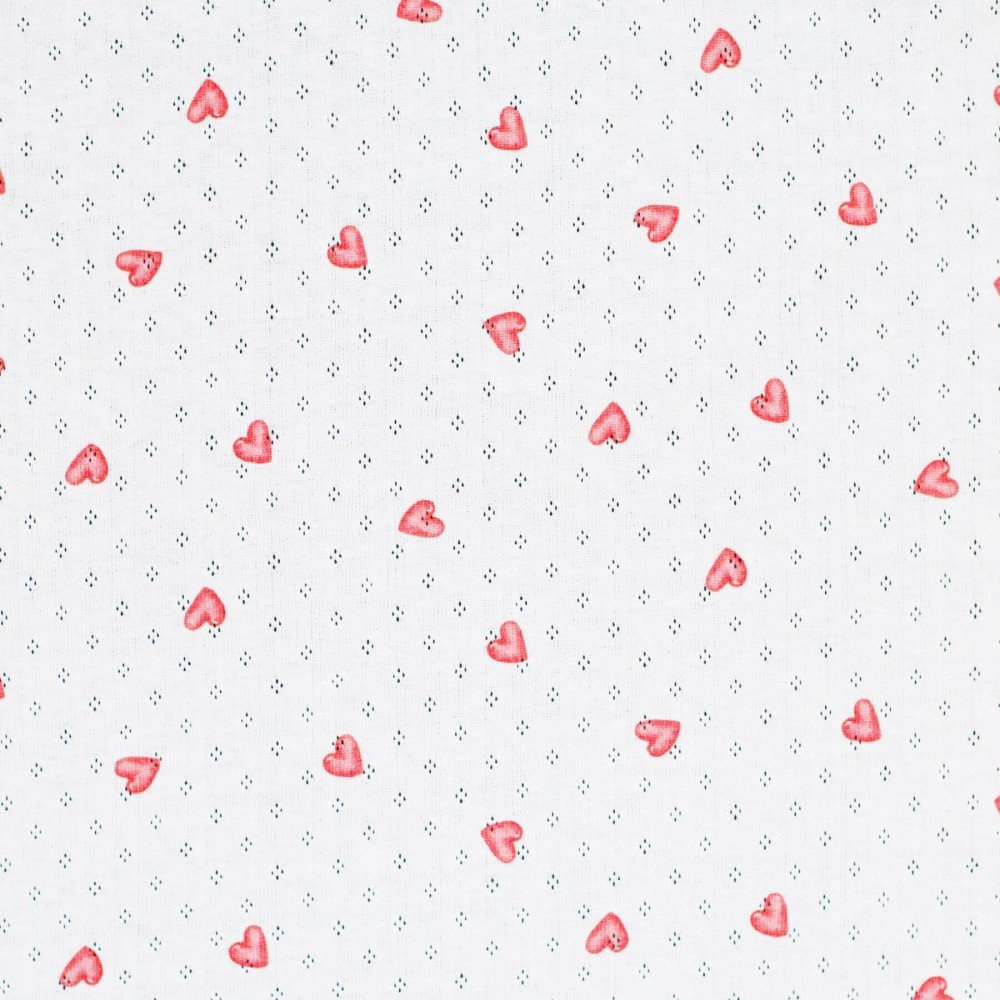
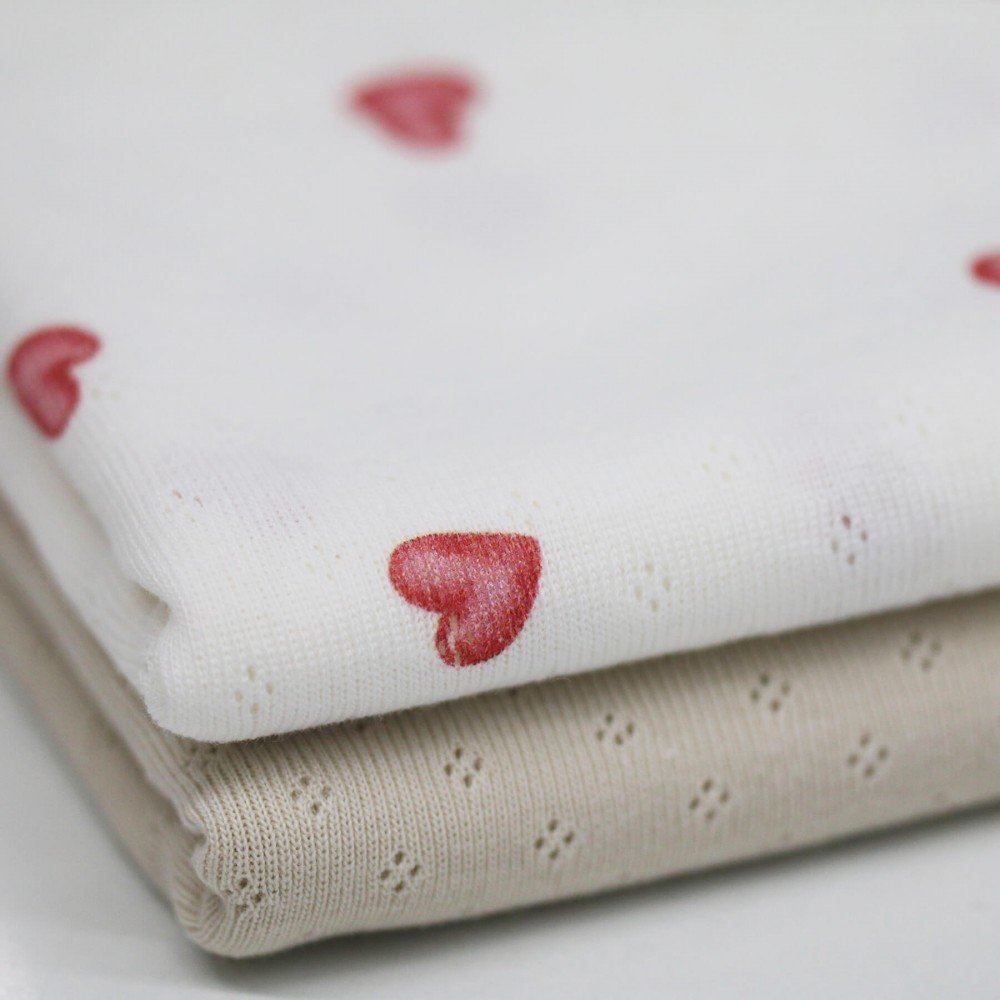
This one has small decorative eyelets knitted right into the fabric, giving it a delicate, almost vintage look. Lovely for baby clothes or summer tops where you want a bit of texture.
Viscose jersey fabric
Silky, fluid, and cool to the touch, viscose jersey drapes beautifully for wrap dresses or flowy tops. It does need a bit more care when cutting since it's slippery.
Bamboo jersey fabric
Naturally soft with a slight sheen, bamboo jersey is a great pick for sensitive skin and works wonderfully for babywear and loungewear.
Waffle knit jersey fabric
That textured grid pattern isn't just decorative, it adds a bit of thermal warmth too, making it a nice option for cosy loungewear and layering pieces.
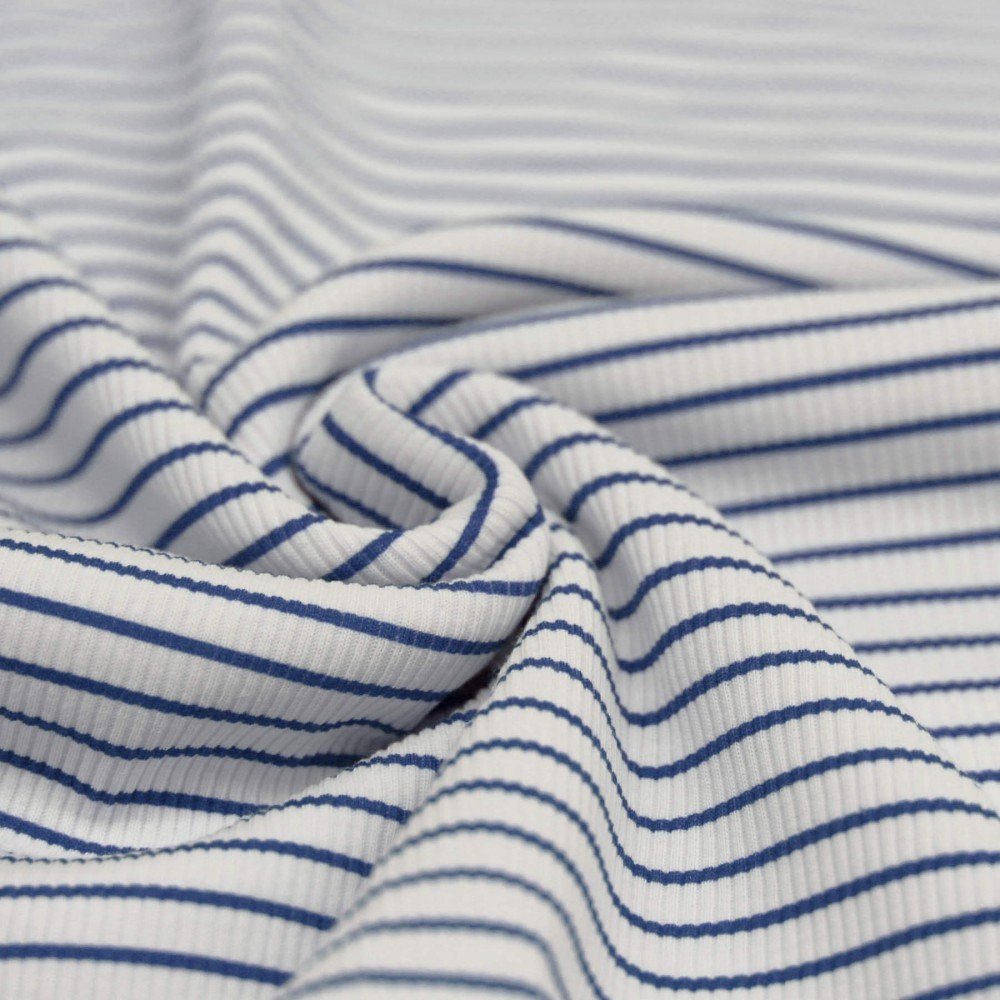
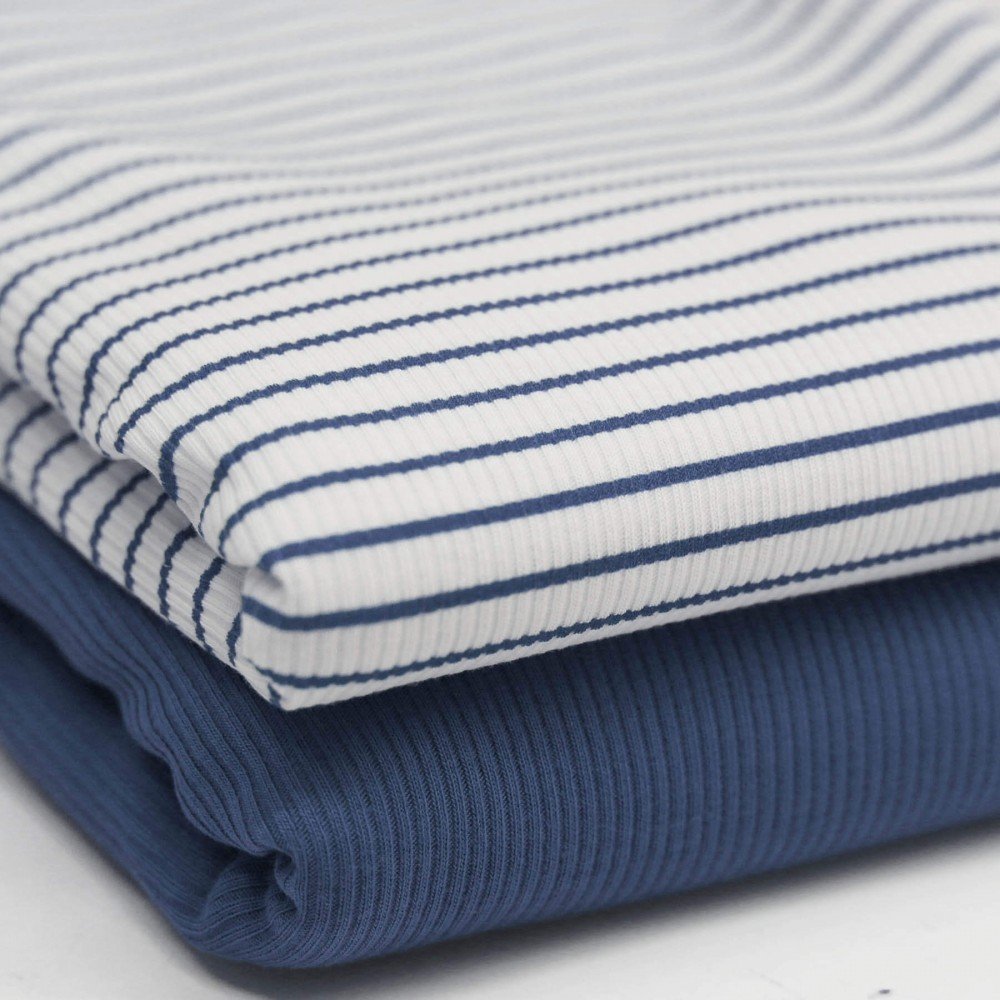
Rib knit jersey fabric
You'll spot this on cuffs and necklines constantly, but it's also lovely for entire fitted garments since it hugs the body and stretches generously in both directions.
Practical Sewing Tips
- Use a ballpoint or stretch needle, never a universal one, or you risk skipped stitches and small holes.
- Sew with a narrow zigzag or a stretch stitch so your seams move with the fabric instead of snapping.
- Stabilise shoulder seams and necklines with clear elastic or a strip of fusible interfacing to stop them from stretching out over time.
- Wash your fabric before cutting, jersey can shrink a fair bit on the first wash.
- Use pattern weights instead of pins where possible, pins can leave visible holes in loosely knitted jersey.
- Cut with a rotary cutter rather than scissors for cleaner edges, especially on slippery viscose jersey.
How to Choose the Right Jersey
Think about what you're making before you fall in love with a print. A fitted dress needs good recovery, so ottoman rib or punta di milano will serve you better than a loose plain jersey. A relaxed t-shirt works with almost any cotton jersey. Loungewear and pyjamas love the softness of bamboo or the texture of waffle knit. If you're after something with more body for structured pieces, look at fashion fabrics alongside your jersey options to compare weight and drape. And if you're on a budget, our fabric outlet and cheap fabrics sections often have gorgeous jersey remnants worth grabbing before they're gone.
Wrapping It Up
Jersey is one of those fabrics that seems simple until you start working with it, and then you realise how much variety and nuance it actually holds. Once you know your ribs from your ottomans and your scuba from your punta di milano, you'll shop with a lot more confidence. Have a browse through our jersey fabrics collection and just feel a few of them between your fingers, that's honestly the best way to learn what suits your next project.
FAQ
Is jersey fabric the same as cotton?
No, jersey is a knitting method, not a fibre. You can find jersey made from cotton, viscose, bamboo, wool or polyester, they all share the same stretchy knit structure but feel and behave differently.
Does jersey fabric shrink in the wash?
Yes, especially cotton jersey can shrink a bit on the first wash. That's why we always recommend pre-washing your fabric before you cut into your pattern pieces.
What needle should I use for sewing jersey?
A ballpoint or stretch needle works best. A regular universal needle can pierce the knit loops and cause small runs or holes over time.
Can I use jersey for anything other than clothing?
Definitely. Lighter jersey works nicely for fitted cushion covers or soft home accessories, though for structured home décor projects you're usually better off with our deco fabrics instead.
What's the difference between jersey and fleece?
Jersey is typically thinner with a smooth or lightly textured surface, while fleece fabrics like teddy fleece fabric or polar fleece fabric are brushed for extra warmth and thickness, making them better suited for colder-weather garments.