What Is Teddy Fabric? Everything You Need to Know Before You Sew With It
Put a piece of teddy fabric next to a piece of ordinary fleece and feel the difference with your own hands. Fleece is smooth, flat, almost like a soft blanket surface. Teddy has that deep, curly pile that looks like the fur on an actual teddy bear, thick, springy, a bit chaotic under your fingers. Both are warm, both are knits, but they behave completely differently on the sewing machine and in the final garment. If you've ever wondered which one to grab for a winter coat or a cosy home project, this is where I clear that up.
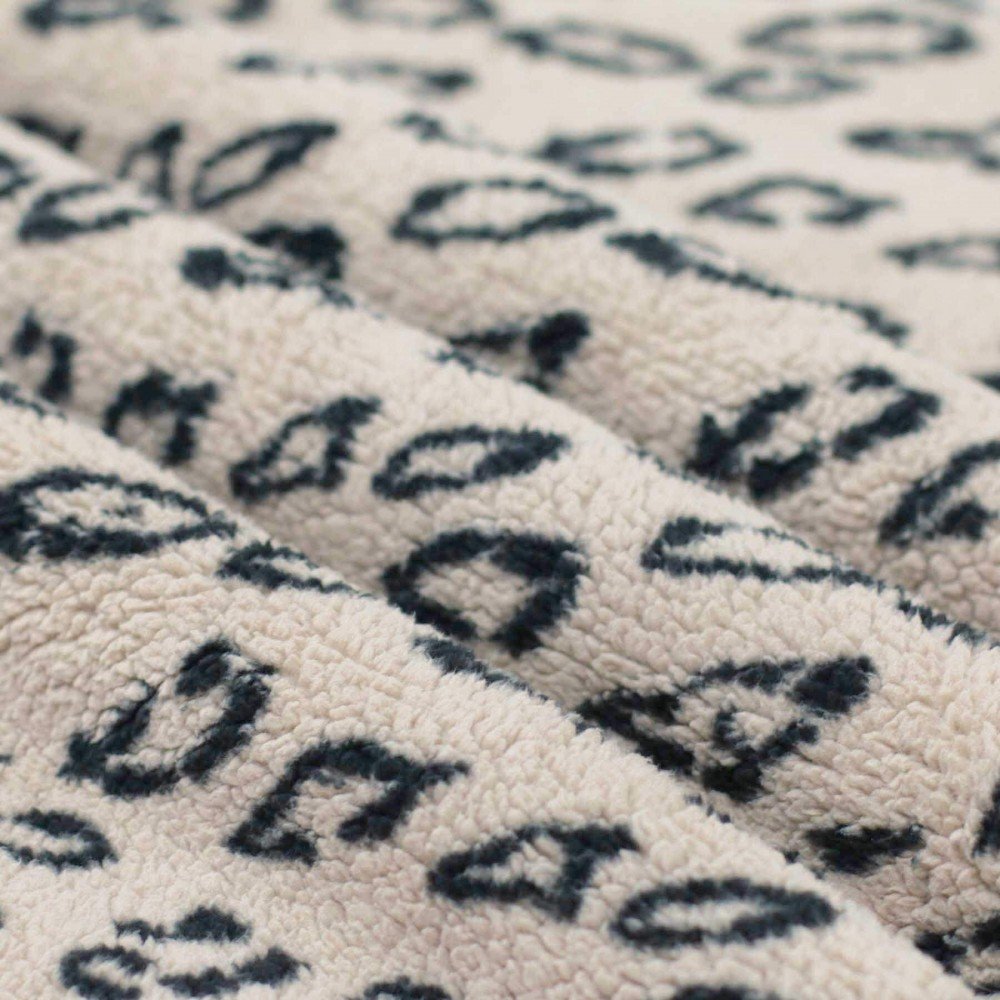
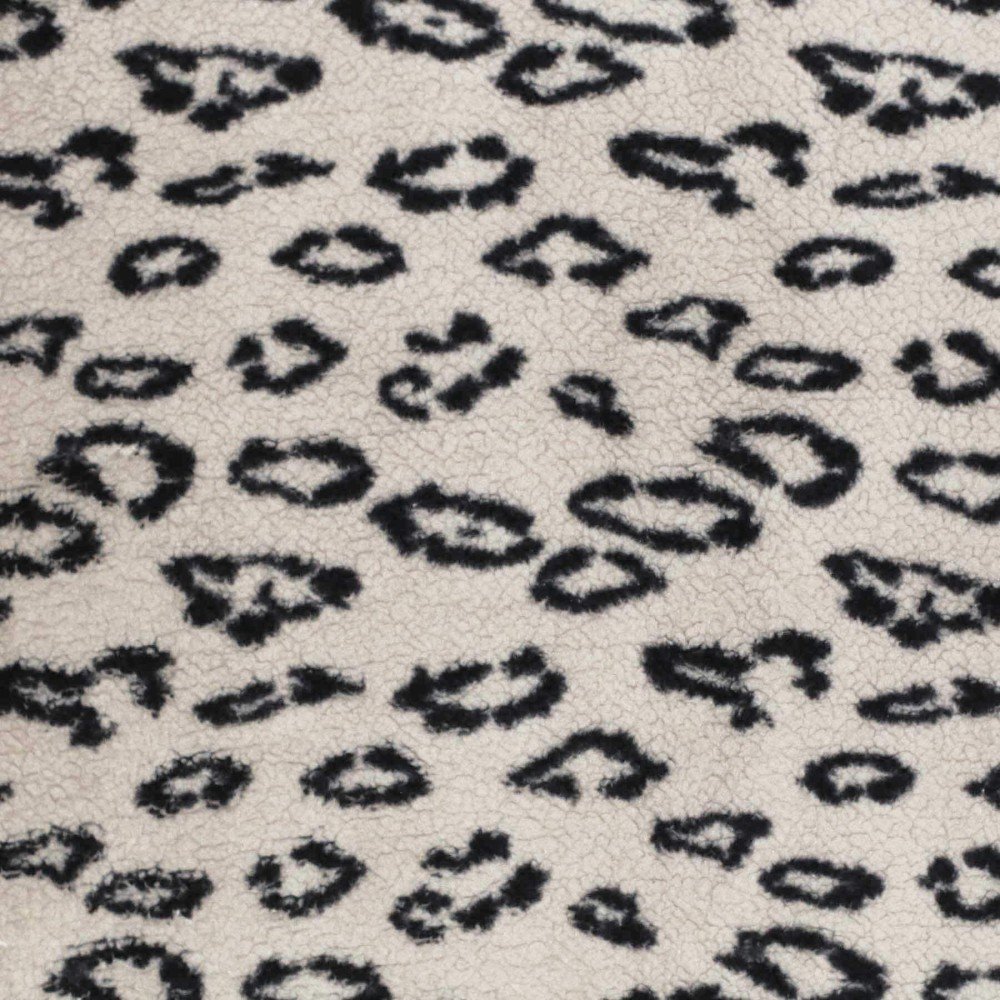
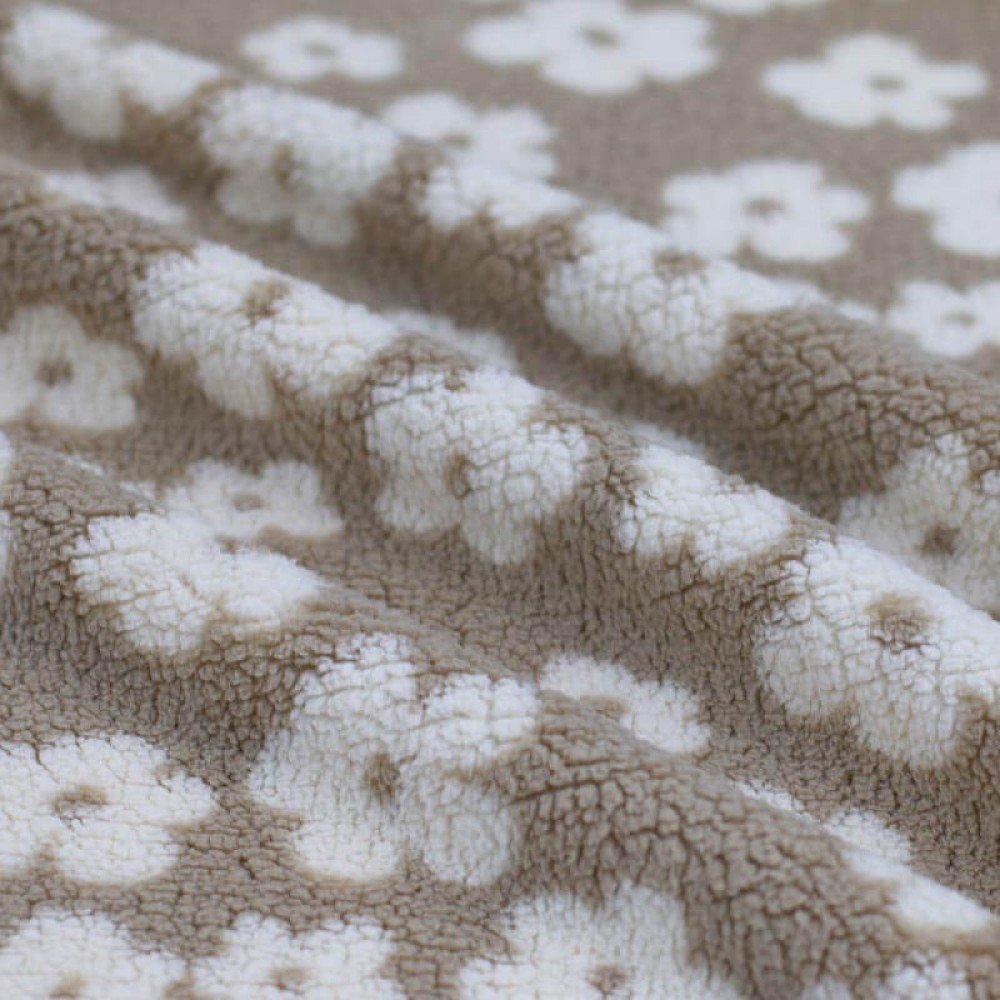
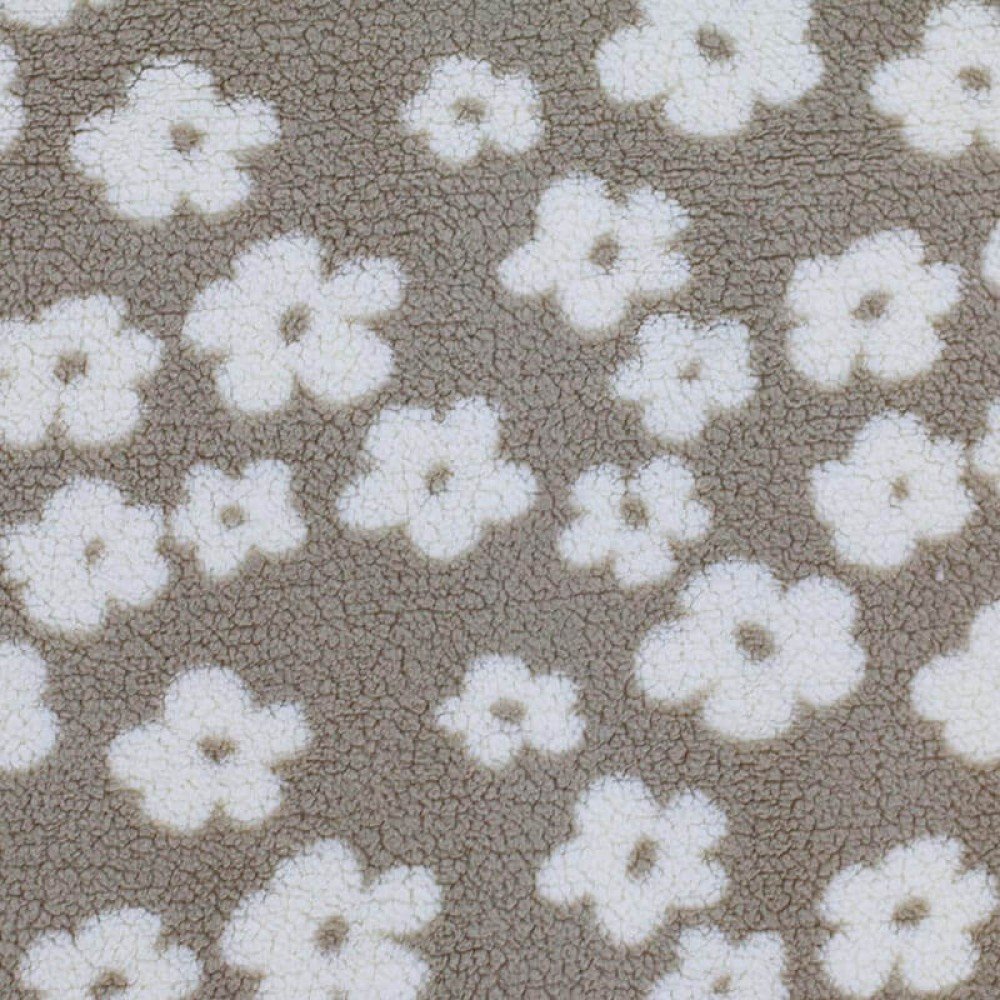
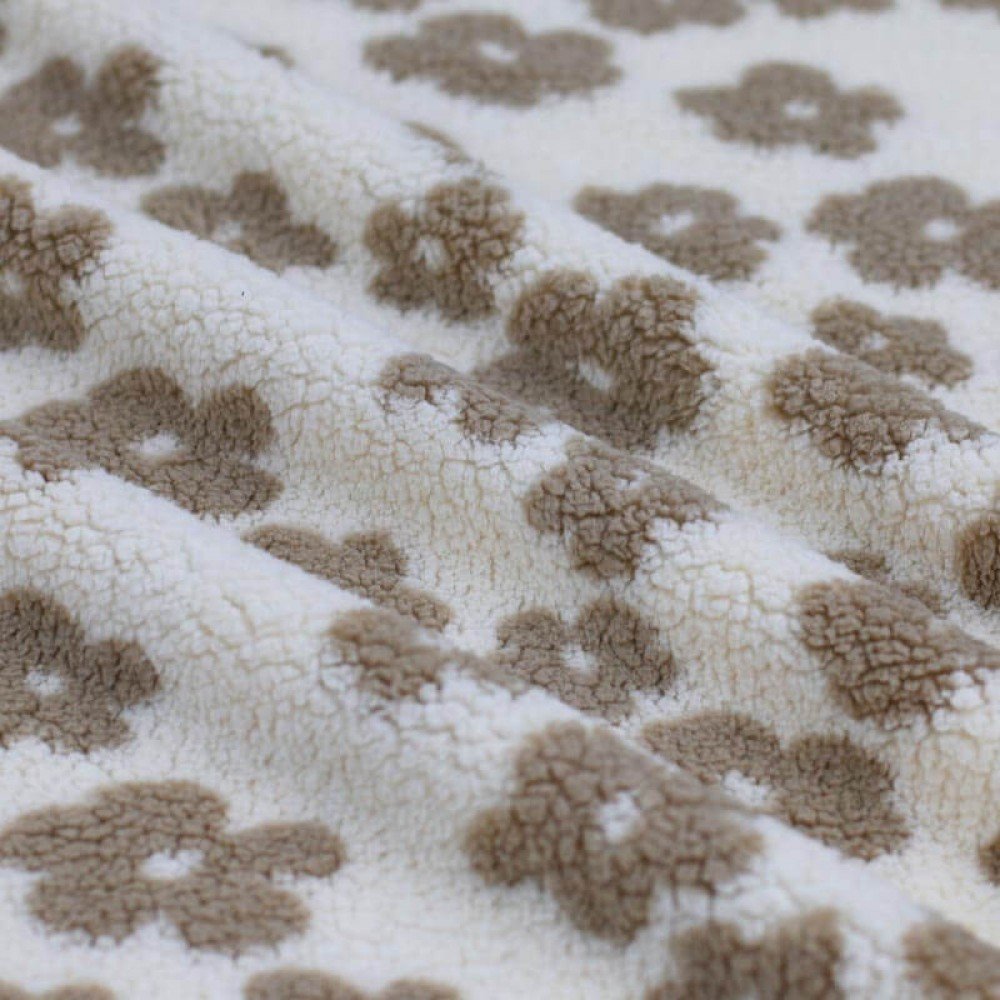
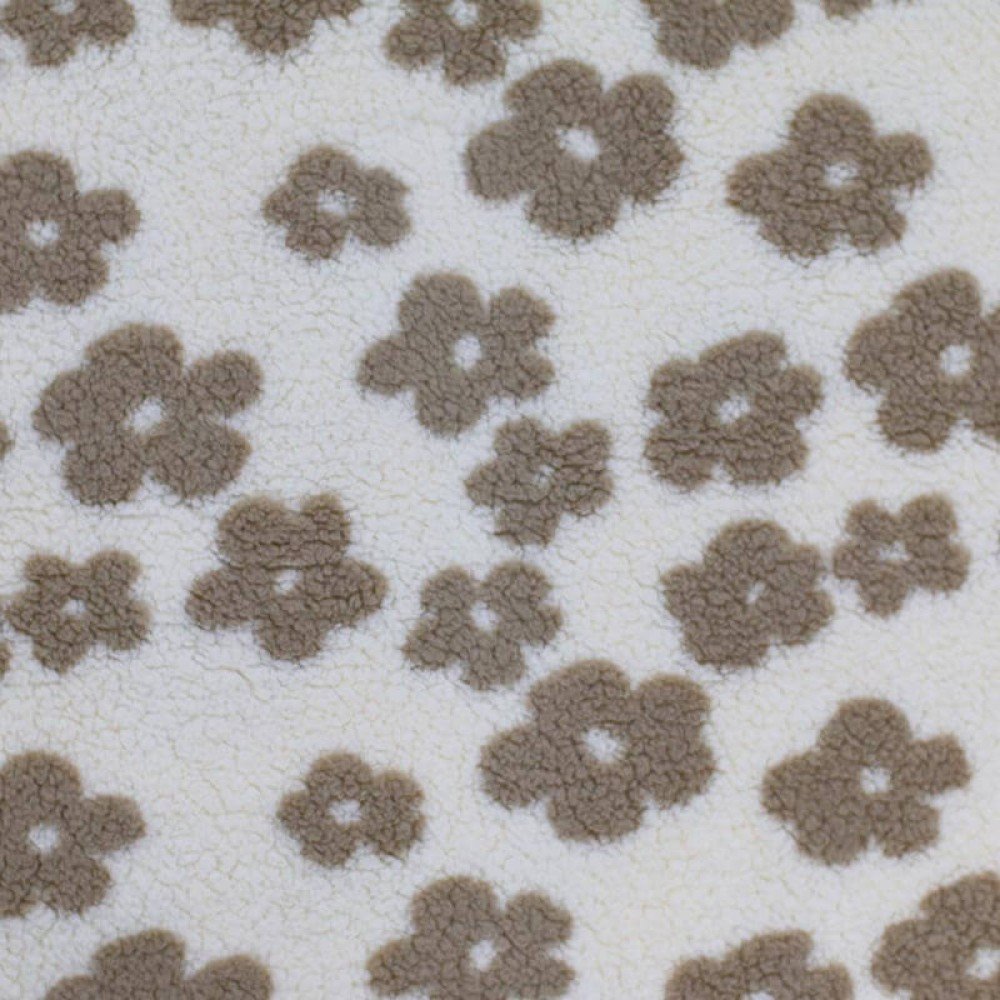
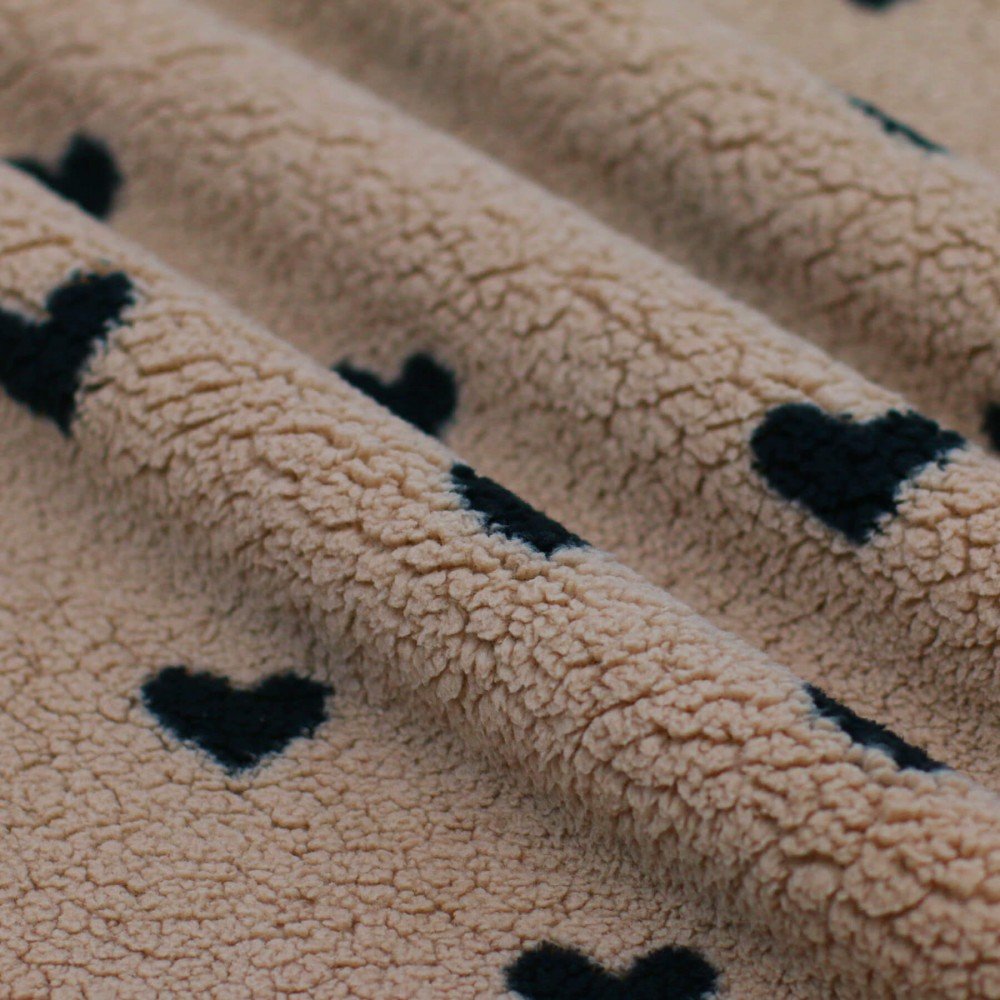
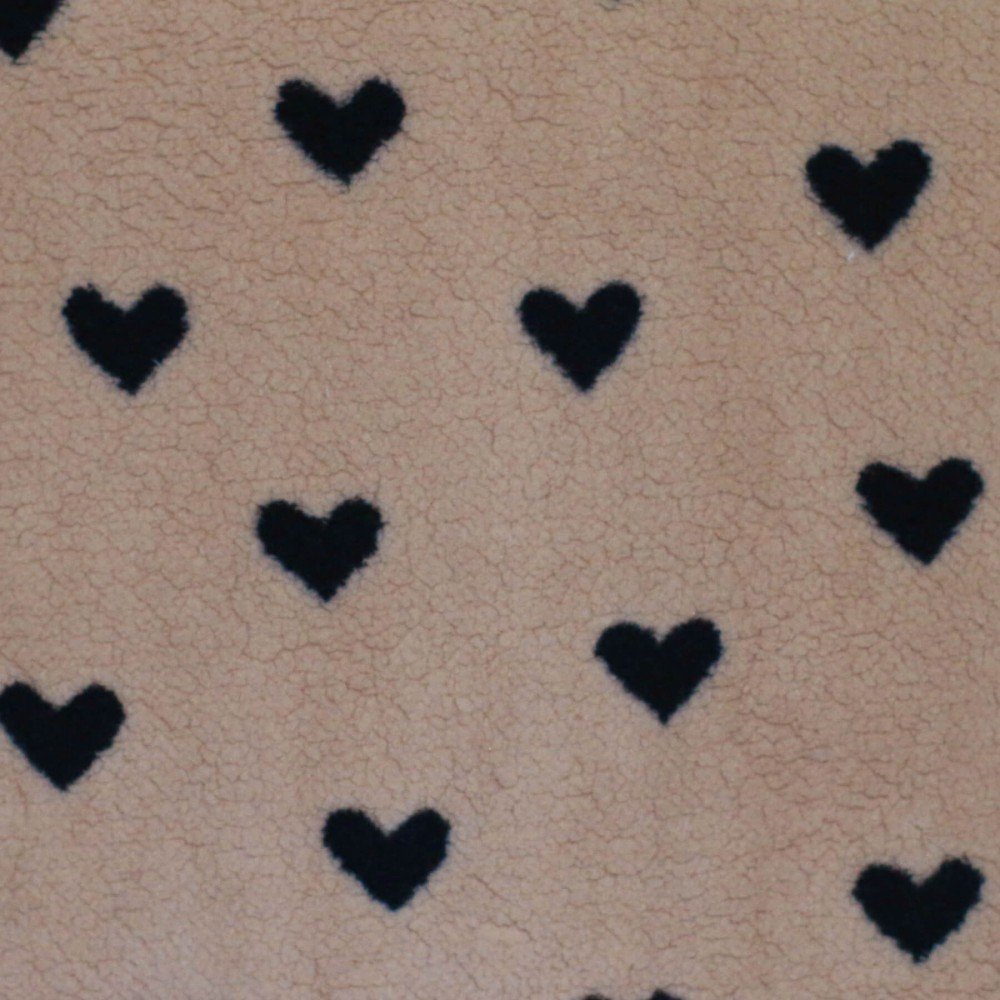
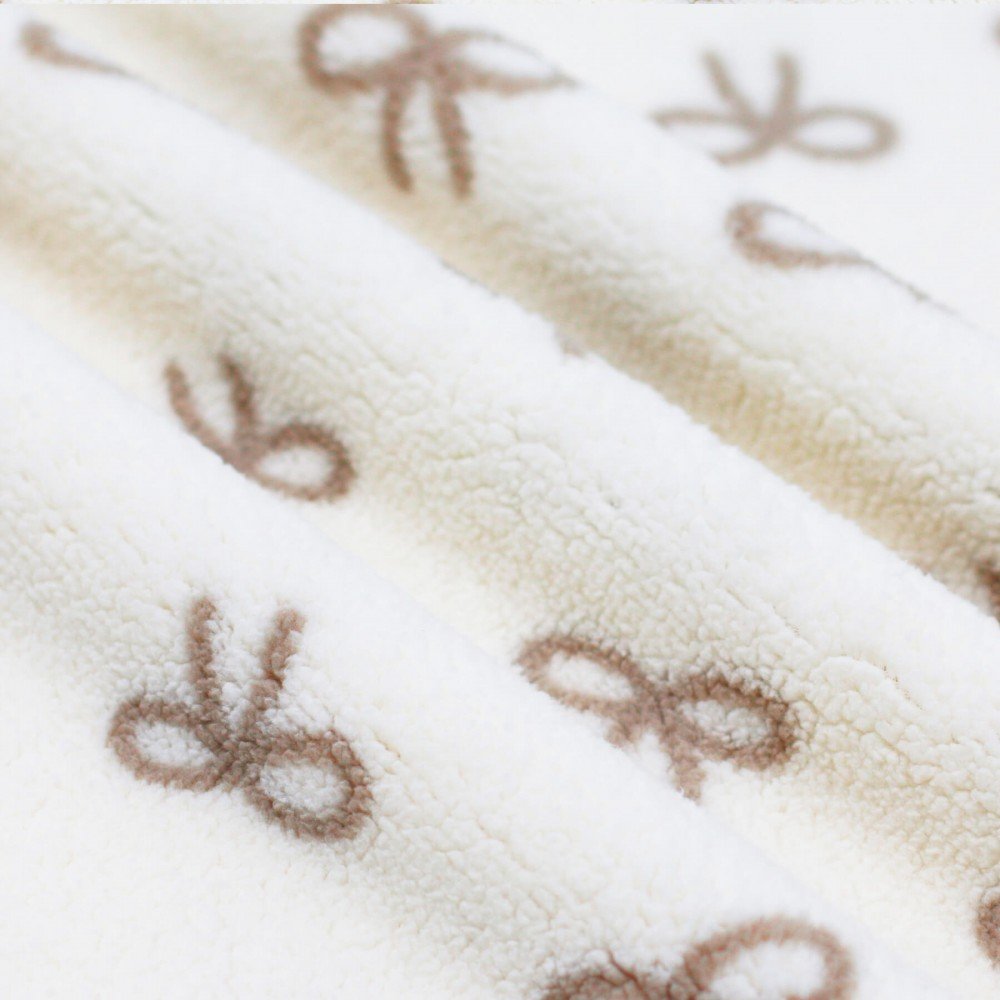
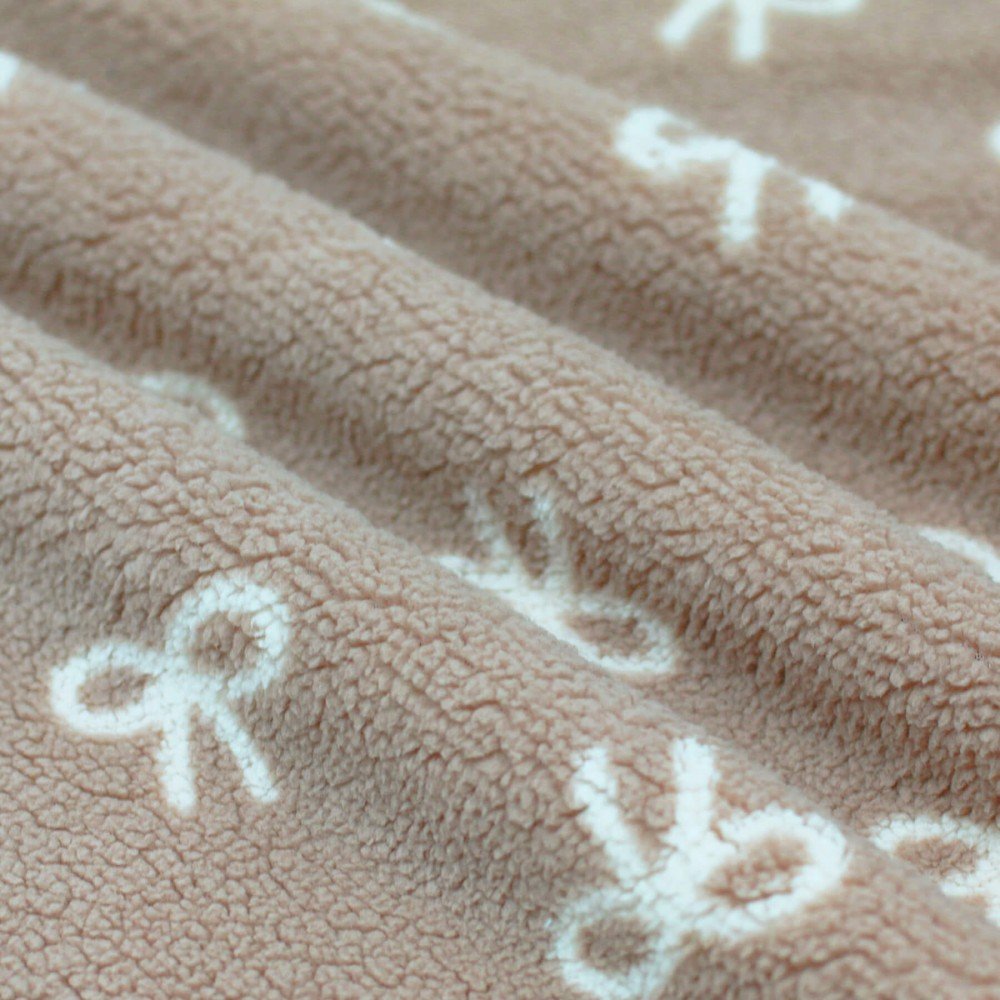
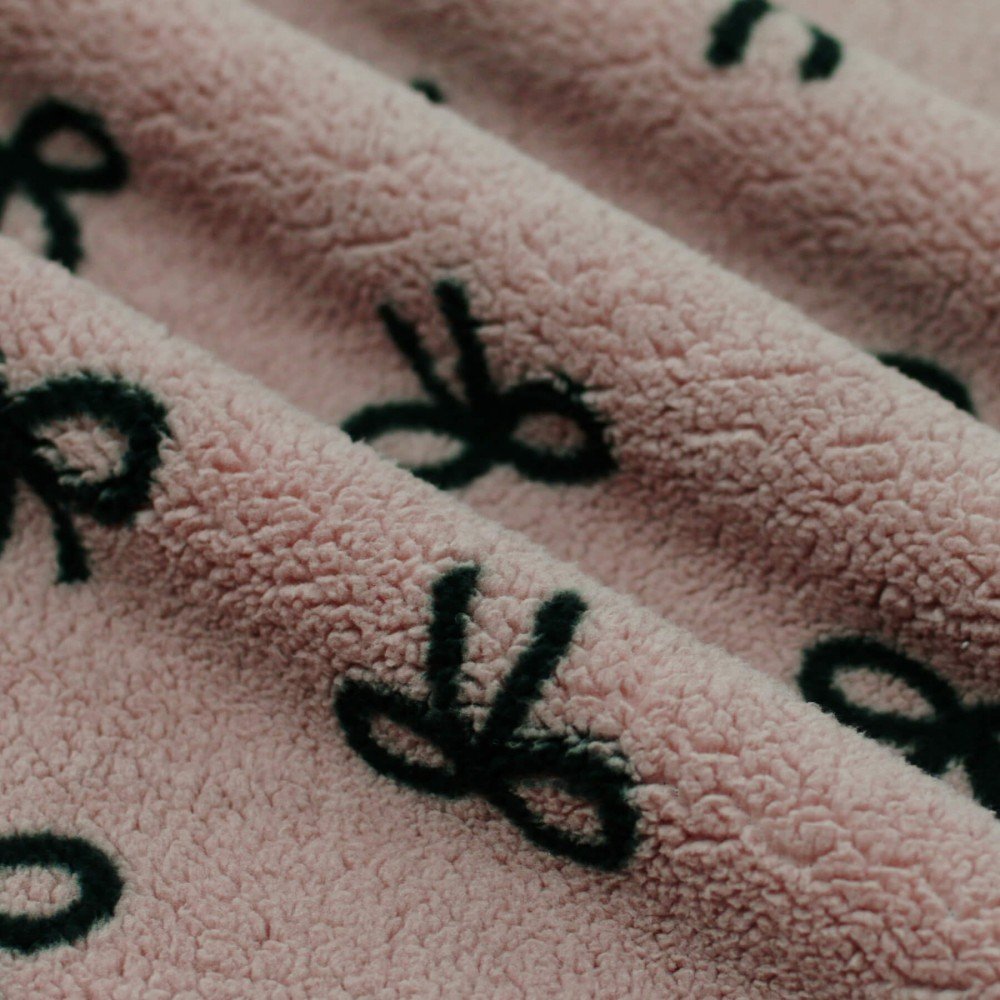
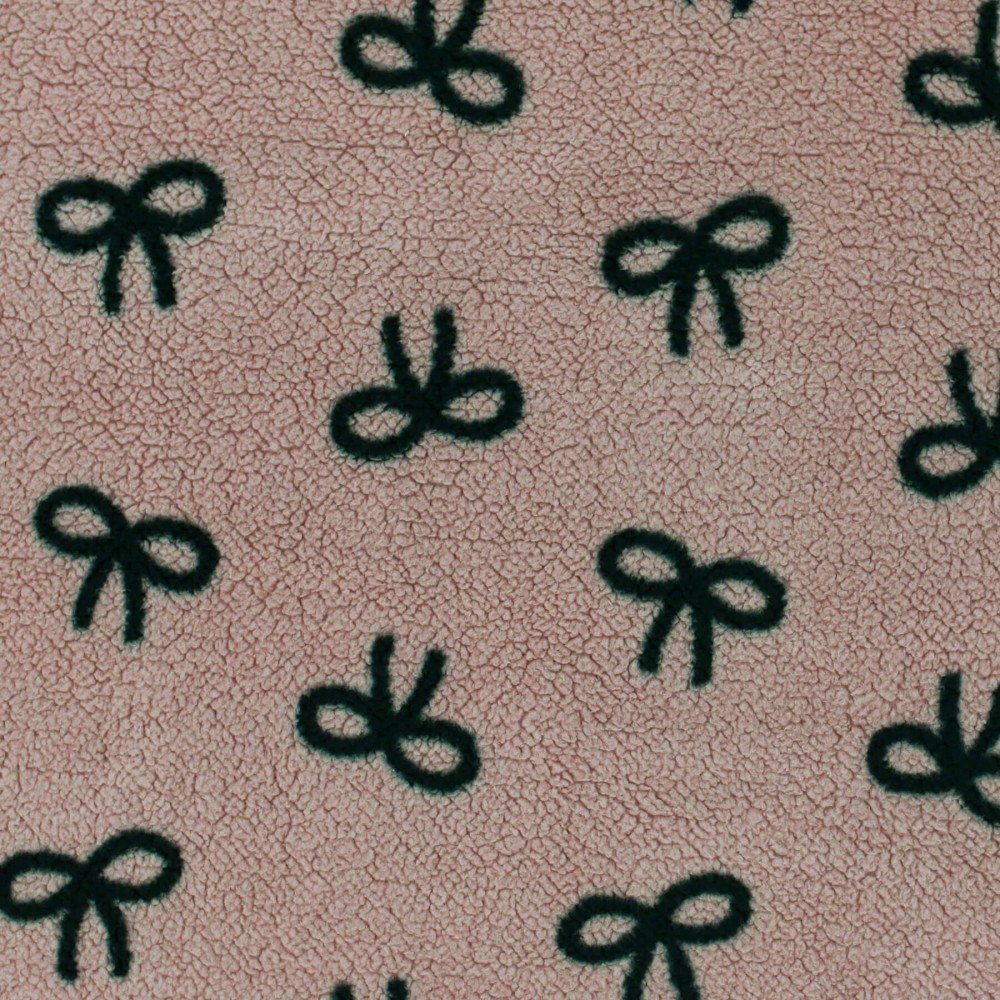
Teddy fabric is a knitted pile fabric with a long, looped or cut fibre surface that mimics the texture of a plush toy. It's become massively popular for teddy coats, oversized jackets and cushions over the last few years, and for good reason: it's warm without being heavy, and it photographs beautifully on a rack, which is exactly why you see it everywhere in autumn collections. But there's more going on structurally than most people realise, and knowing that will save you from a frustrating first project.
What exactly is teddy fabric made of?
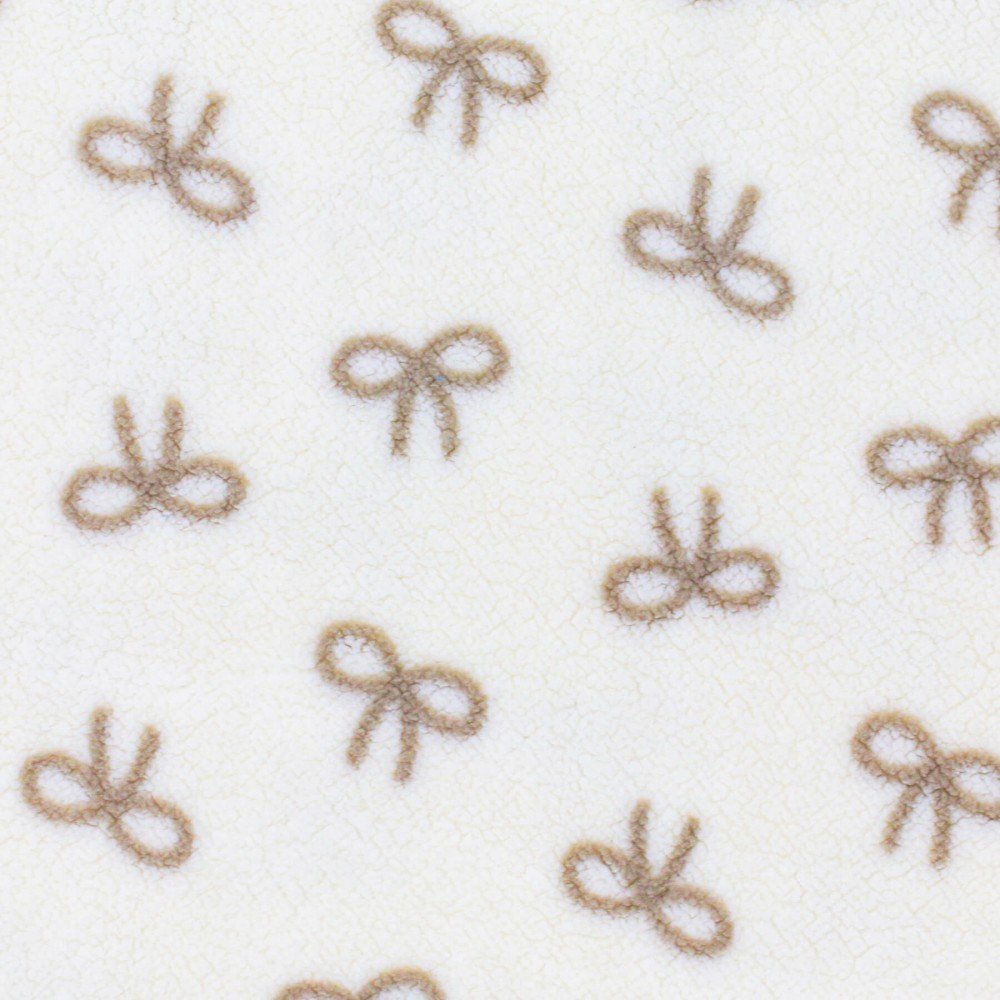
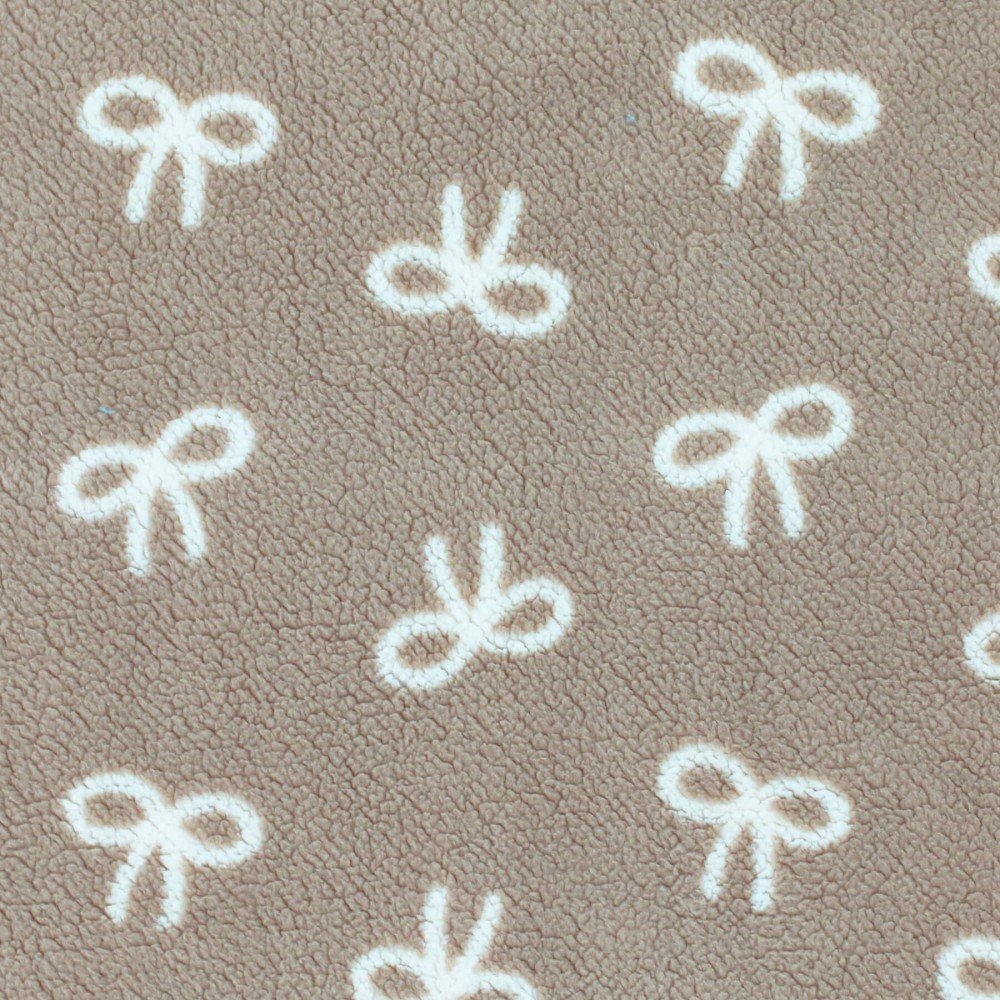
Teddy fabric is built on a knitted base, usually polyester or a polyester-cotton blend, with long fibres either woven into loops or cut short to create that plush pile. The base knit gives it stretch, the pile gives it volume and warmth. Because the pile traps air between the fibres, teddy fabric insulates really well relative to its weight. That's the whole appeal: you get a bulky, warm look without an actually bulky, heavy garment.
The knit structure underneath matters more than people expect. It's this base that determines how much the fabric stretches and how it drapes once you've cut and sewn it. A denser base knit gives you a coat that holds its shape. A looser one drapes more and moves more like a heavy cardigan. When you're at the cutting table, run your hand along the back of the fabric, not just the fluffy side, because that's where you'll actually feel the structure.
Teddy fabric variants and how they compare
Teddy fleece fabric
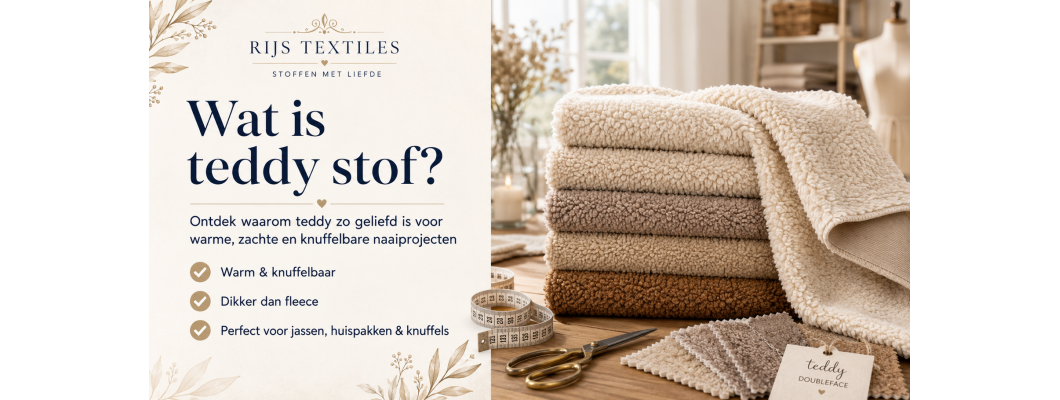
This is the classic doubleface version: teddy pile on one side, a smooth fleece or jersey back on the other. It's the go-to for coats and jackets because you get a finished look on both sides, no need to line the inside if you don't want to. I use this one constantly for oversized coat patterns where the inside of the collar or cuff shows.
Polar fleece fabric
Not teddy exactly, but worth knowing as the comparison point. Polar fleece has a short, dense pile instead of a long curly one. It's lighter, cheaper to work with, and better suited to linings, blankets, or activewear where you don't want the bulk teddy brings. If a pattern says "fleece" and you're tempted to substitute teddy, check the weight first.
French terry fabric
French terry has loops on the inside rather than a brushed or plush surface, and it's much thinner than teddy. I mention it here because a lot of sewists confuse "terry" and "teddy" when searching, but they behave completely differently. Terry is great for sweatshirts and joggers, teddy is not.
Practical tips for sewing with teddy fabric
- Use a walking foot if your machine has one. Teddy's pile shifts under a standard presser foot, and layers can creep out of alignment as you sew.
- Cut with the pile running in one direction, just like velvet or corduroy. Check this before you cut, not after, because it affects how light reflects off the finished garment.
- Use a ballpoint or stretch needle, since the base is knitted and a sharp needle can snag or pull threads.
- Trim the pile along the seam allowance before sewing so you're not stitching through thick fluff. It reduces bulk in the seam and makes pressing much easier.
- Skip the iron on the pile side entirely. Heat flattens the fibres permanently. If you must press a seam, do it from the back on a low setting with a pressing cloth.
- Test your seam allowance on a scrap first. Teddy fabric behaves differently than a plain cotton jersey fabric, and a scrap will show you exactly how much the seam wants to stretch or pucker.
How to choose the right teddy fabric for your project
Think about the finished garment first. For a statement coat, go for the thicker doubleface teddy fleece so it holds structure and keeps you warm without adding a lining. For a cushion cover or a soft toy, a lighter pile is easier to handle on a domestic machine and won't overwhelm a small project. If you're making something with visible seams or topstitching, choose a shorter pile so the stitching stays visible rather than getting swallowed by the fluff.
Also think about what else is in your stash. Teddy pairs surprisingly well with contrast panels in rib knit jersey fabric for cuffs and hems, since the rib's stretch recovers well against teddy's weight. And if you're building a whole winter wardrobe, it's worth browsing the wider fashion fabrics range for coordinating pieces.
In short
Teddy fabric gives you a warm, plush look with real practical advantages: light weight for its bulk, decent stretch from the knit base, and a doubleface finish that saves you from lining a whole coat. Handle the pile with respect at the cutting and pressing stage, and it rewards you with a garment that looks a lot more expensive than the fabric actually was. If you want to feel the difference between teddy and its cousins yourself, check the current fleece fabrics selection and order a swatch before committing to metres.
FAQ
Is teddy fabric the same as sherpa?
They're close cousins. Sherpa usually refers to a fabric with a knitted or woven pile meant to mimic sheepskin, often used as lining. Teddy is generally used for the outer layer of a garment and tends to have a slightly longer, curlier pile. In practice the terms overlap a lot depending on the supplier.
Can I wash teddy fabric in a normal washing machine?
Yes, most teddy fabric is polyester-based and handles a regular wash cycle fine on a lower temperature. Skip the tumble dryer's high heat though, since that can flatten and mat the pile over time. Air drying keeps the fluff looking fresh much longer.
Does teddy fabric fray when you cut it?
No, because it's knitted rather than woven, so there's no woven edge to unravel. You will get loose pile fibres shedding a bit at the cut edge, which is completely normal and settles down after the first wash.
What's the difference between teddy fabric and teddy fleece specifically?
"Teddy fabric" is the general term for the plush pile fabric itself. "Teddy fleece" often refers specifically to the doubleface version with a smooth fleece or jersey backing, which is the type most commonly used for coats and jackets since it doesn't need a separate lining.