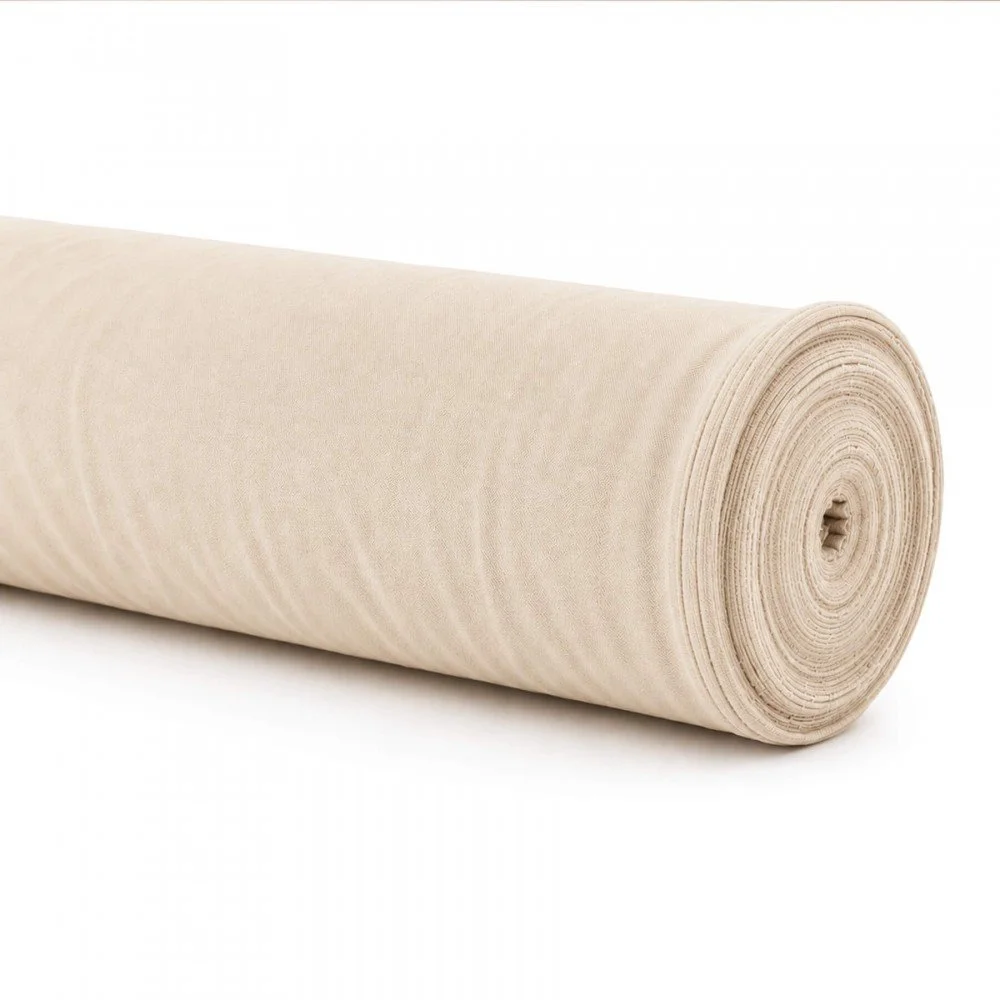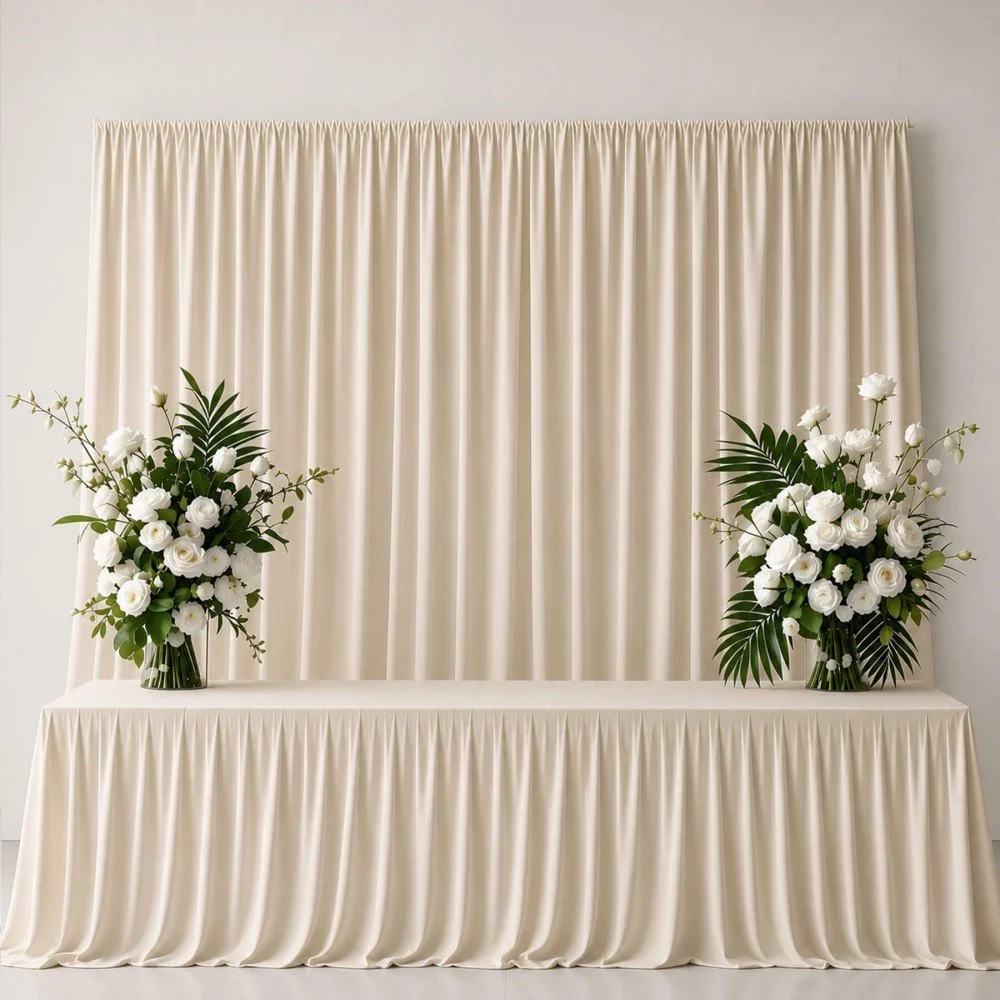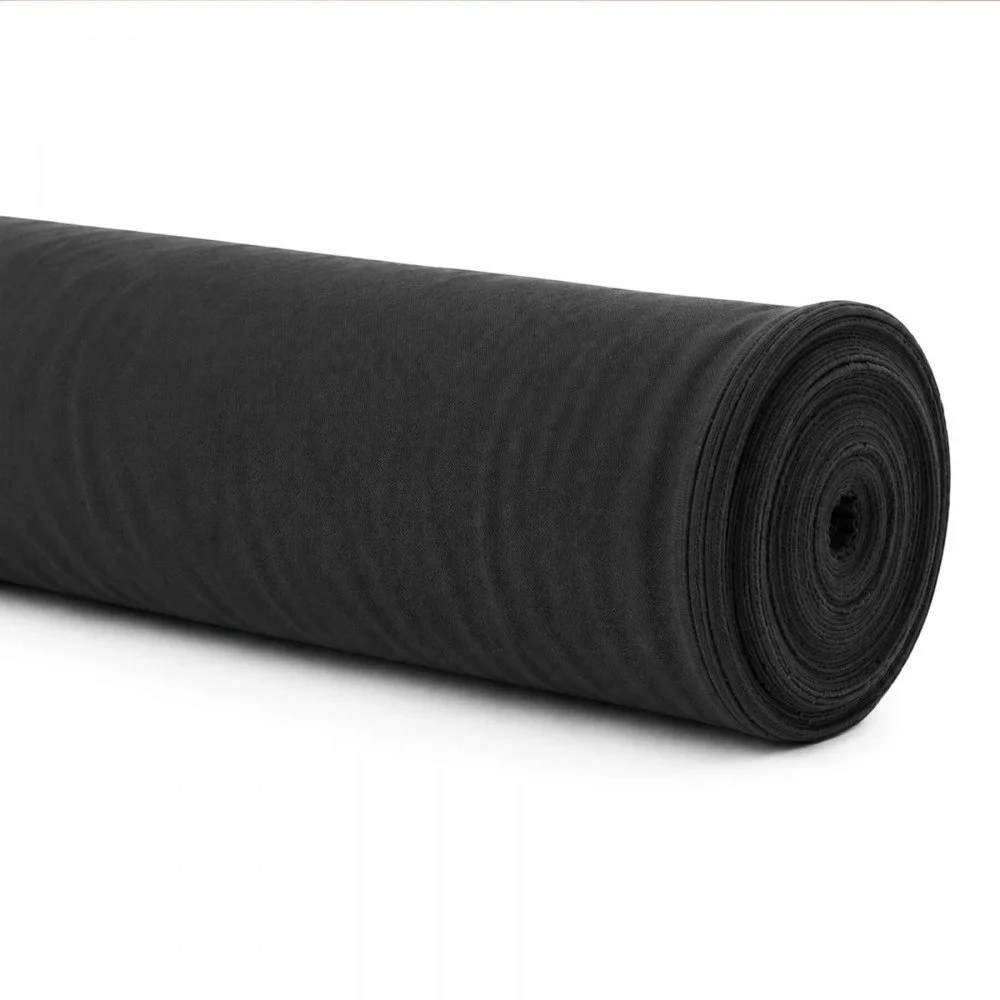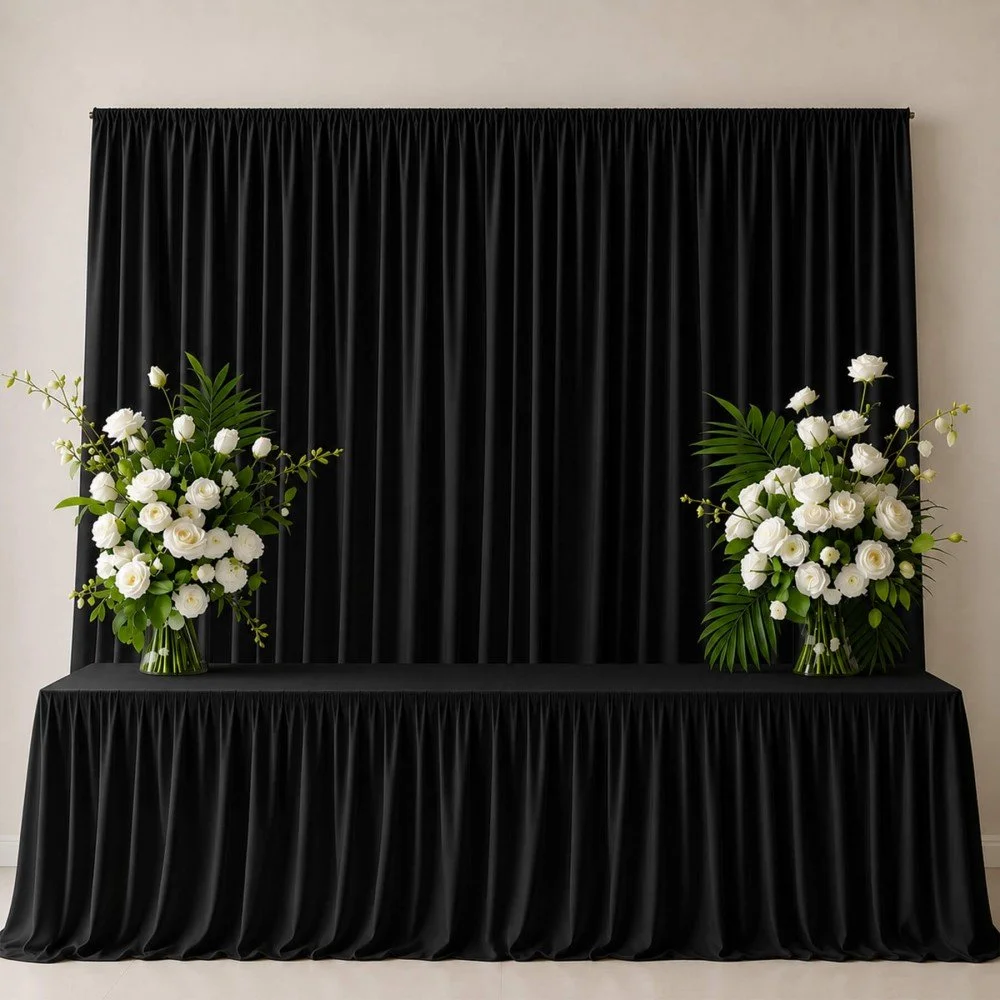
Which Fabric for Curtains? A Real Look at Your Options
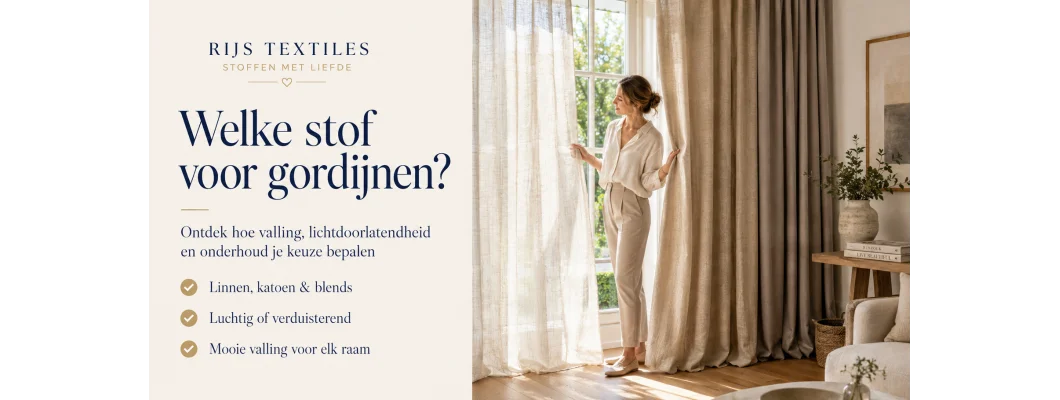
In the 17th century, wealthy Dutch households hung heavy woollen curtains not so much for style but to keep the draught out of tall, single-glazed windows. Fabric weight decided how warm your living room felt that winter. That same logic still applies today, just with more comfortable options. Choosing the right fabric for curtains comes down to weight, drape and how much light you want to keep out, and that's exactly what trips people up when they browse our deco fabrics collection for the first time.
A lot of sewists assume curtain fabric is one category. It isn't. A sheer voile behaves nothing like a cotton twill, and a linen union behaves nothing like a velvet. Once you understand what each type does on the window, picking becomes a lot easier.
Origin and production
Most curtain fabrics start as either a woven cotton, a linen blend or a synthetic like polyester, and the weave, meaning how the threads cross over each other, decides a lot about the final look. A plain weave, threads going simply over and under, gives you a flat, stable cloth that hangs in soft folds. A twill weave, where the threads shift diagonally, gives more body and a subtle texture you can feel under your fingers.
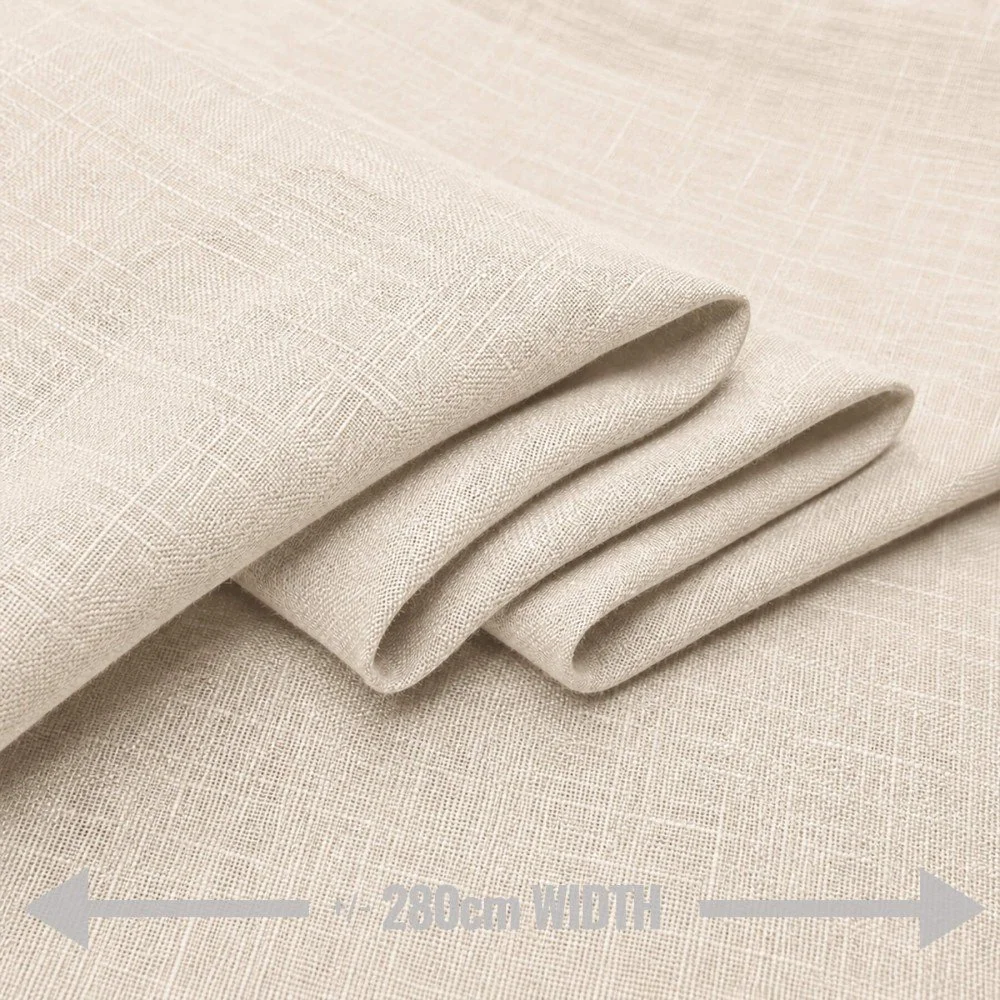
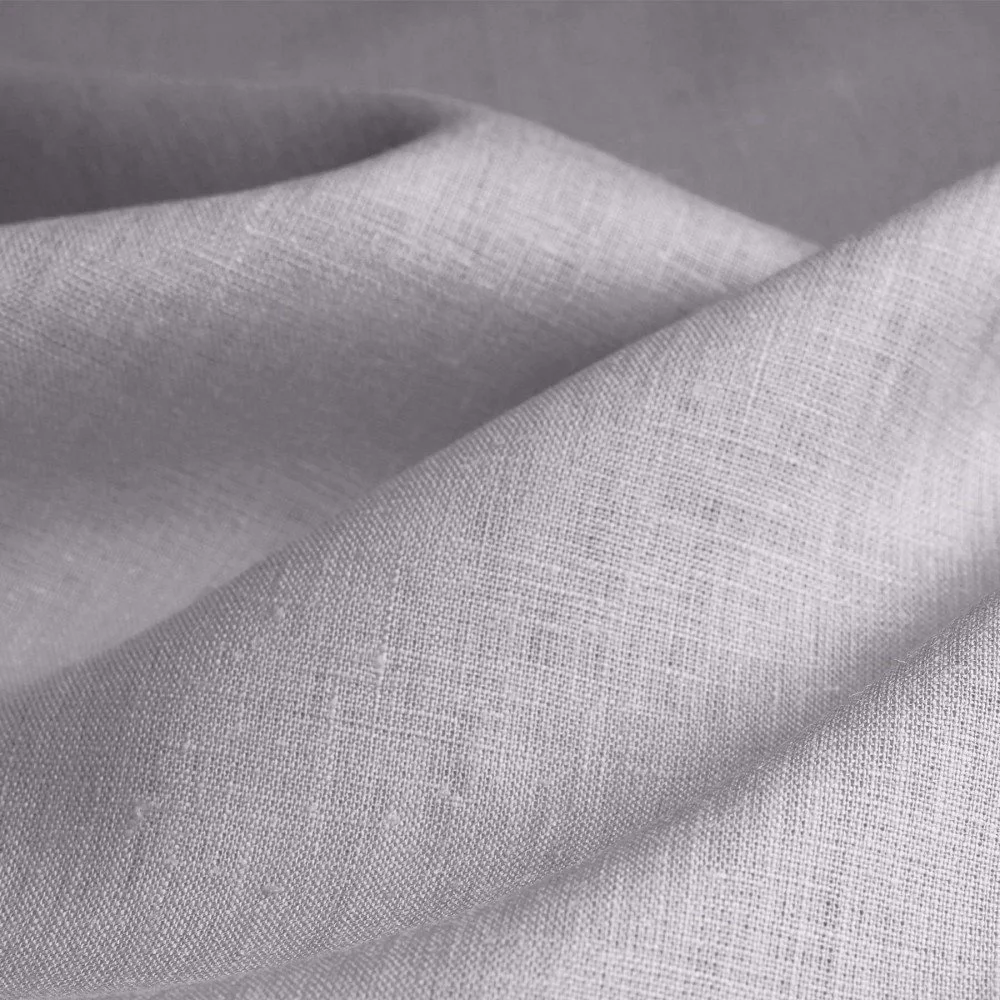
Linen curtain fabric is woven from flax fibre, which is why it has that slightly uneven, nubbly surface even in a finer weave. Cotton curtain fabrics are usually woven tighter and finished with a light coating or sizing to help them hang flatter and resist creasing. Blackout linings are a separate layer, often a foam-backed or triple-woven cotton, stitched or clipped behind the main fabric rather than woven into it.
How it behaves
This is where the real decision happens. A heavier cotton or linen union, something in a substantial decor weight, hangs in deep, structured folds and pools nicely at the hem. It doesn't move much in a draught, which is exactly what you want for a living room curtain that needs to look put together every day.
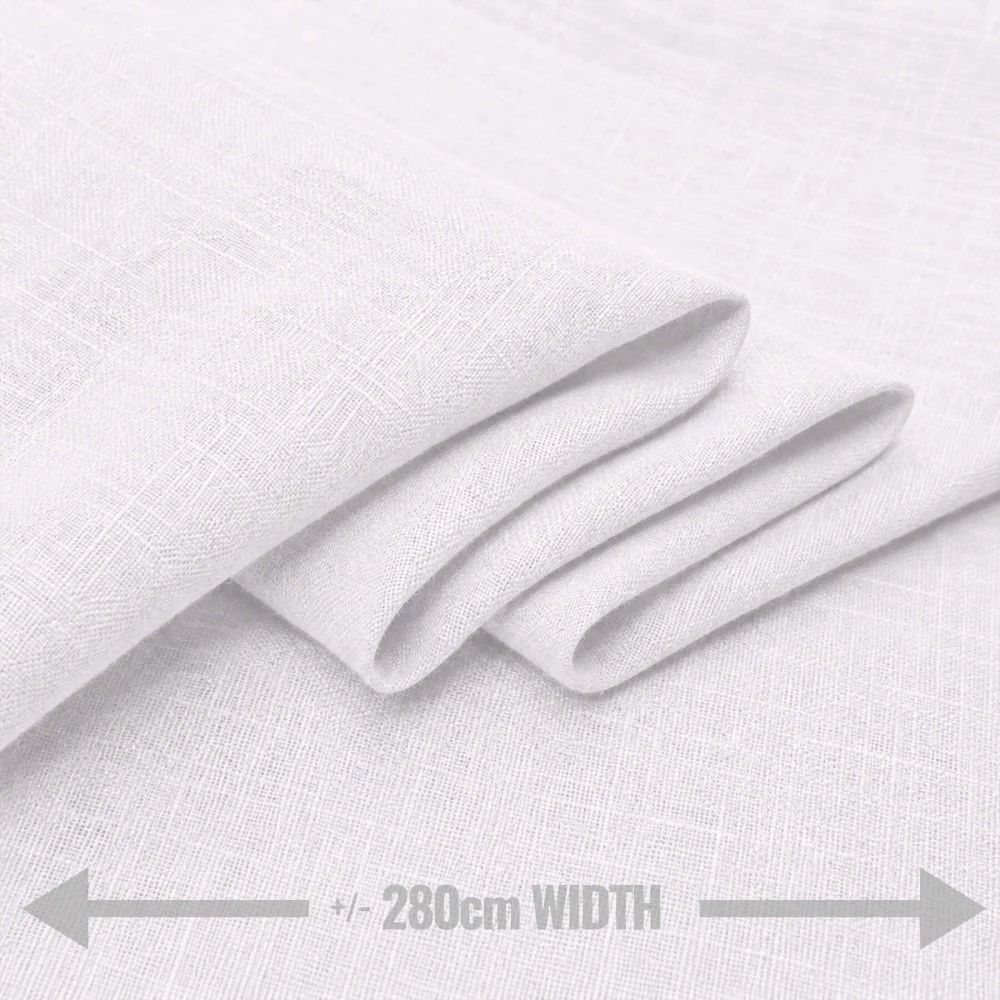
Lighter linen fabrics drape more loosely and catch a breeze from an open window, giving that relaxed, slightly rumpled look people love in bedrooms and sunrooms. Linen also breathes well, so it doesn't trap heat against a warm windowsill in summer.
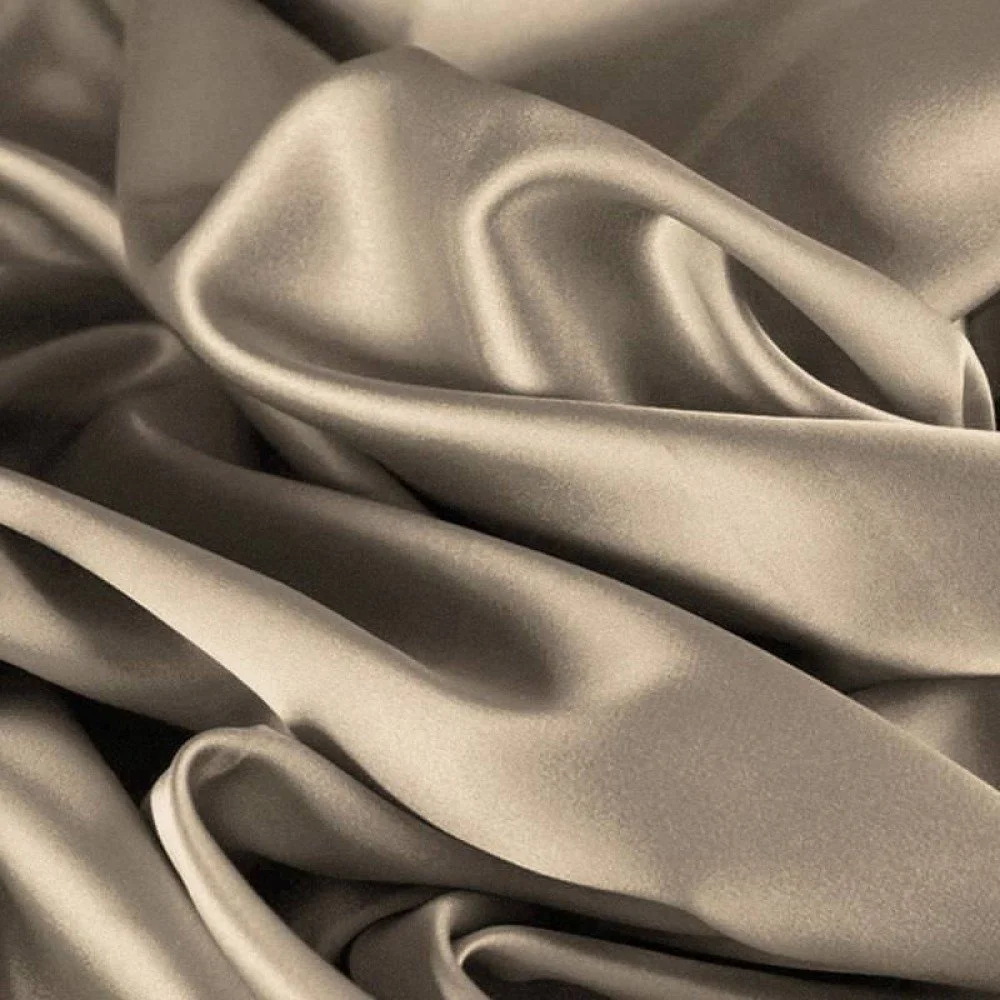
Synthetic blends sit somewhere in between. They resist wrinkling, keep their shape after washing, and often have a bit more sheen. That sheen can look cheap in the wrong light, so check a sample against your actual window before committing to a full curtain's worth.
Weight also decides how the fabric folds at the top. A stiffer, heavier cloth holds pleats crisply, whether that's pencil pleats or eyelet headers. A soft, drapey fabric slumps a bit more, which some people like for a casual look and others find messy after a few weeks.
What we have for you
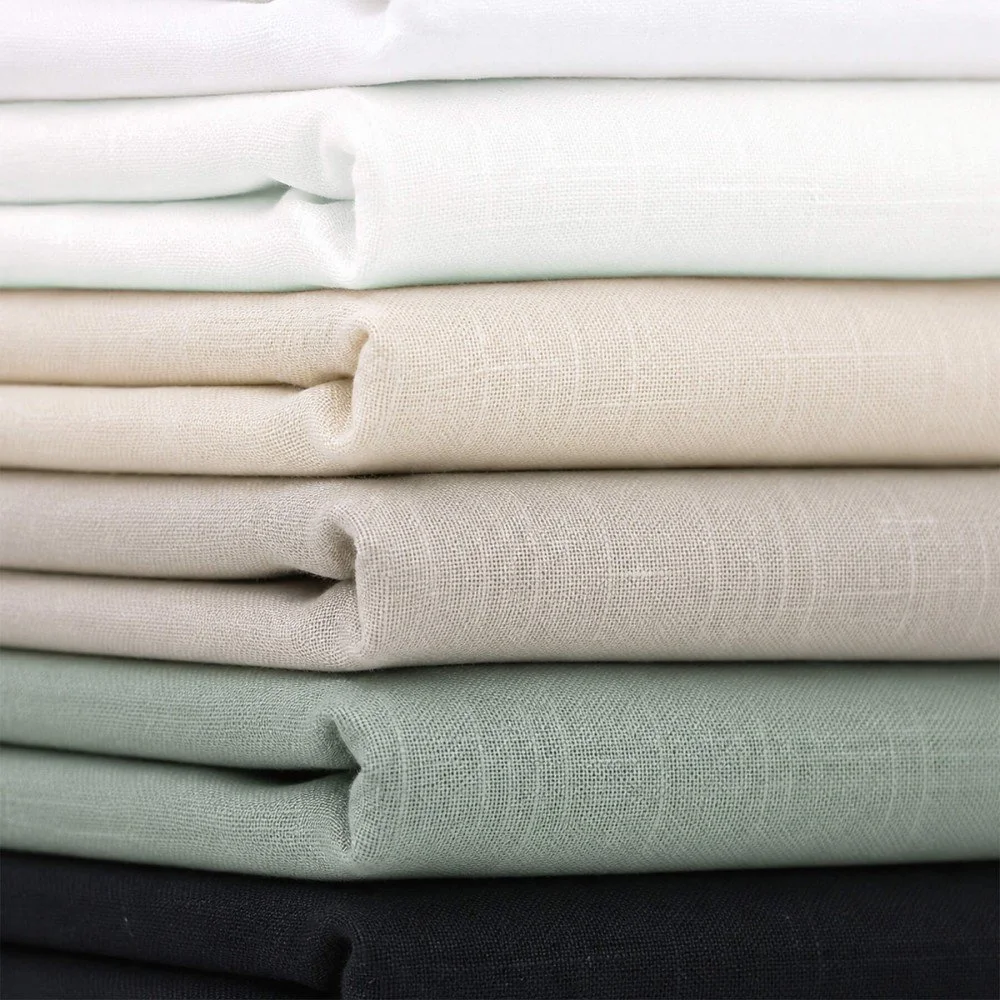
Our deco fabrics range covers most of what you'd want for a curtain project, from lighter weaves for sheers to heavier cloths for full-length drapes. If you like the raw, textured look, our linen fabrics are worth a look, especially for rooms with a lot of natural light where you want the fabric to soften the glow rather than block it completely.
If you're working on a smaller budget or just want to test a colour before committing to a full window's worth of fabric, check the fabric outlet or the cheap fabrics section first. Curtains eat up metres fast, and it's smart to see how a fabric actually hangs on your rail before buying enough for two full panels. We also add curtain-friendly weaves regularly, so it's worth checking the new fabrics page if you're not in a rush.
Who this works for
If you want structure, deep folds and a curtain that looks the same every day of the year, go for a heavier cotton or linen union. If you're after softness, movement and a room that feels lighter, a loose linen weave does that job better than anything synthetic.
It doesn't work as well if you're short on sewing time and need something that hangs perfectly straight without much pressing. In that case, a stiffer cotton twill forgives more mistakes than a soft, drapey linen does. Take a spare offcut home, pin it to your curtain rail for a day, and watch how it moves before you buy metres of the real thing. For other home projects using the same weight logic, our fashion fabrics section has lighter weaves that work for cushions and table runners too.
FAQ
What is the best fabric weight for curtains?
For full-length living room curtains, a heavier decor weight cotton or linen union gives the best structure and fold. For sheers or lightweight bedroom curtains, a lighter linen or cotton voile works better since it lets light through and moves softly.
Does linen fade in sunlight?
Linen holds up reasonably well against sun exposure compared to many synthetics, though any fabric will lighten over years of direct sun. Lining your curtains adds protection and also improves how they hang.
Can I use dressmaking fabric for curtains?
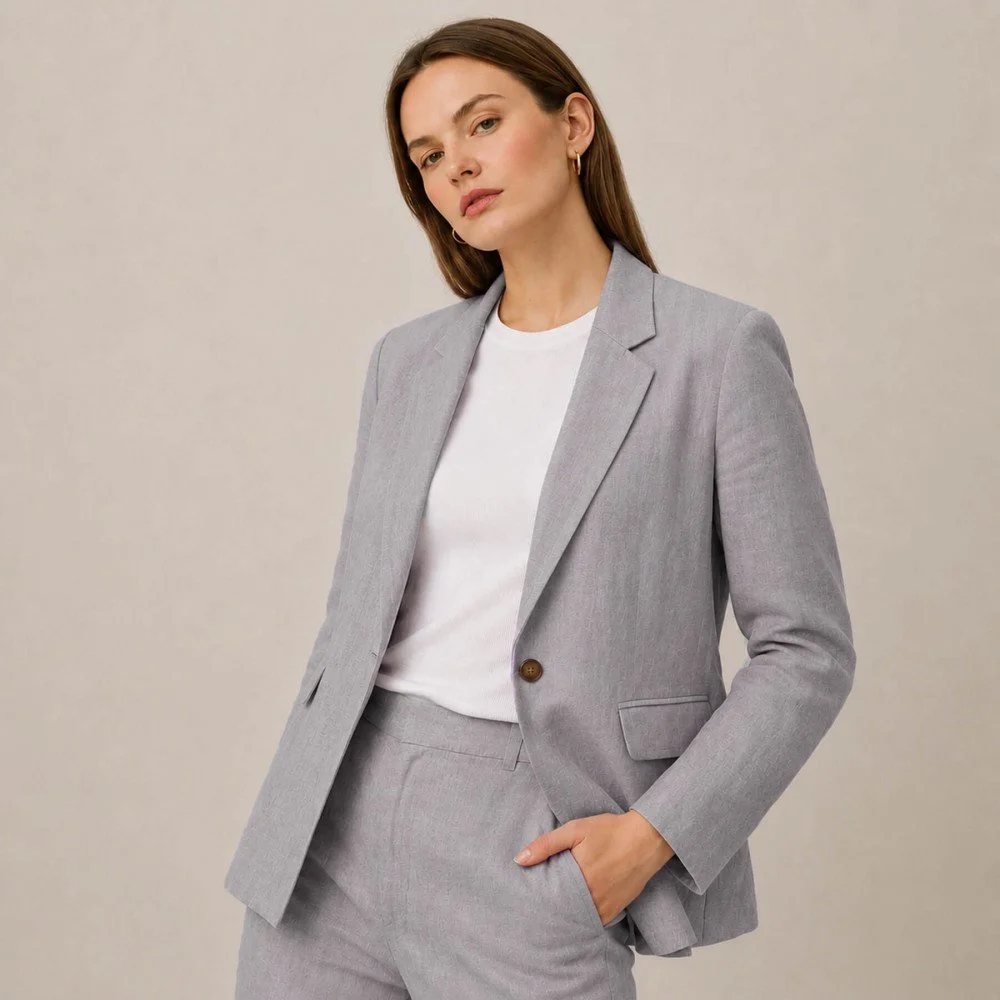
You can, especially lighter fashion fabrics for smaller windows or café curtains, but check the weight first. Fabric meant for garments is often too light to hang well over a full window without a lining added behind it.
How much fabric do I need for curtains?
This depends entirely on your window width, curtain header style and desired fullness, so measure your rail and multiply by the fullness ratio your pattern or header tape recommends before buying. Always add extra for hems and pattern matching.

≥ 125 Metre € 2.25 Incl. Tax.
Wholesale prices for this item are directly being applied. Intra-community supply? Register with your VAT number and Select "Wholesale quotation" as payment option.