Reupholstering Your Boxspring: Which Fabric Should You Pick?
Can I just use ordinary fabric, or does it have to be proper upholstery fabric? That is the question we get at the cutting table almost every time someone starts reupholstering a boxspring. The honest answer: ordinary fabric works fine, as long as it has body and you buy enough of it. A base plus a headboard swallows metres fast, which is why it pays to look at our fabrics and haberdashery advantage packages before you fall in love with something expensive. The rest is a series of small decisions. Work through them in order.
How much does this part of the bed actually get touched?
Be honest about your own habits. A headboard you lean against every evening with a book takes real friction. The sides of the base get hoovered, kicked by slippers and sat on when you pull your socks up.
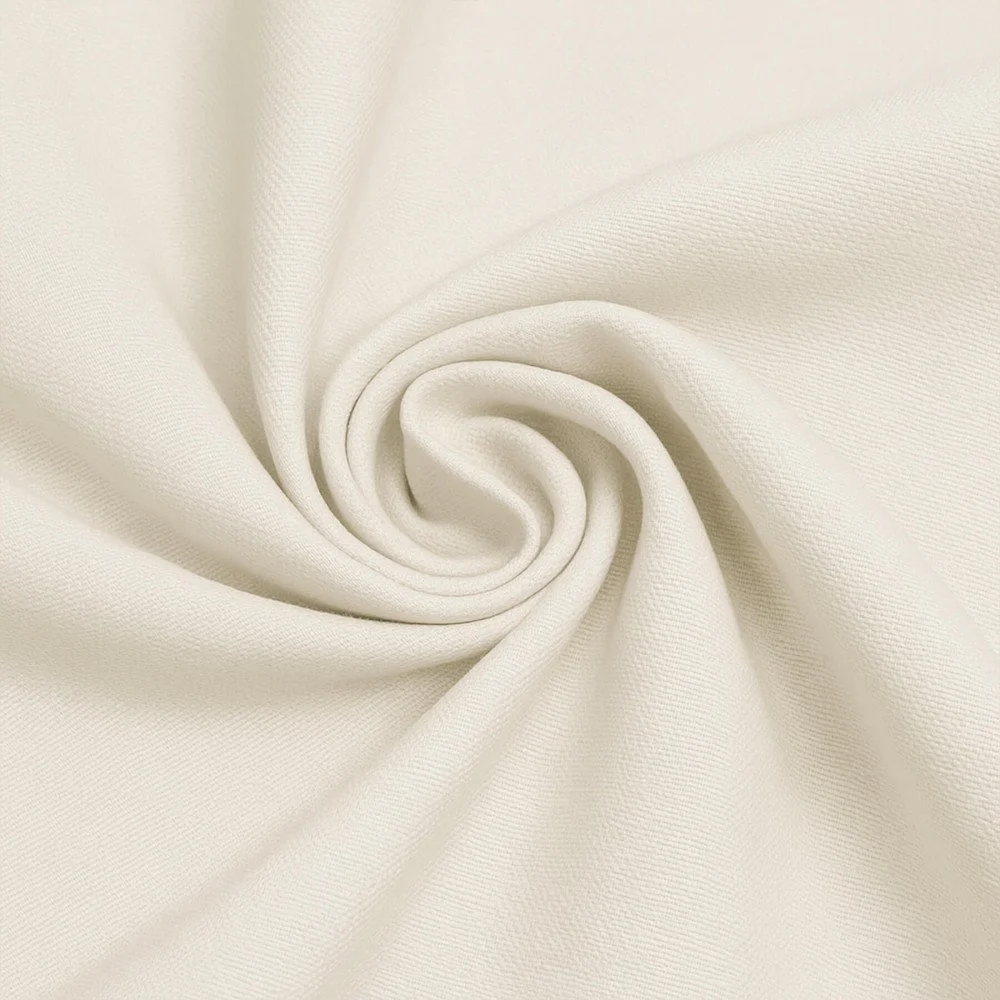
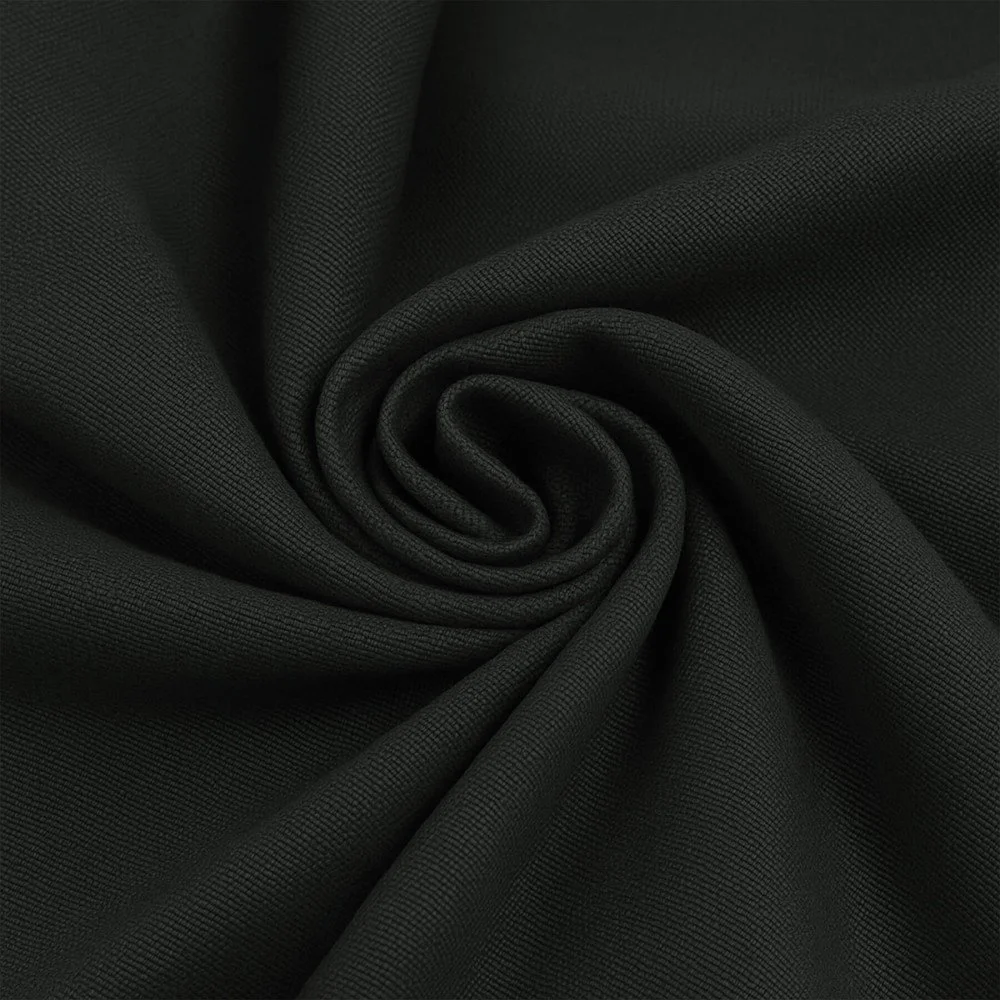
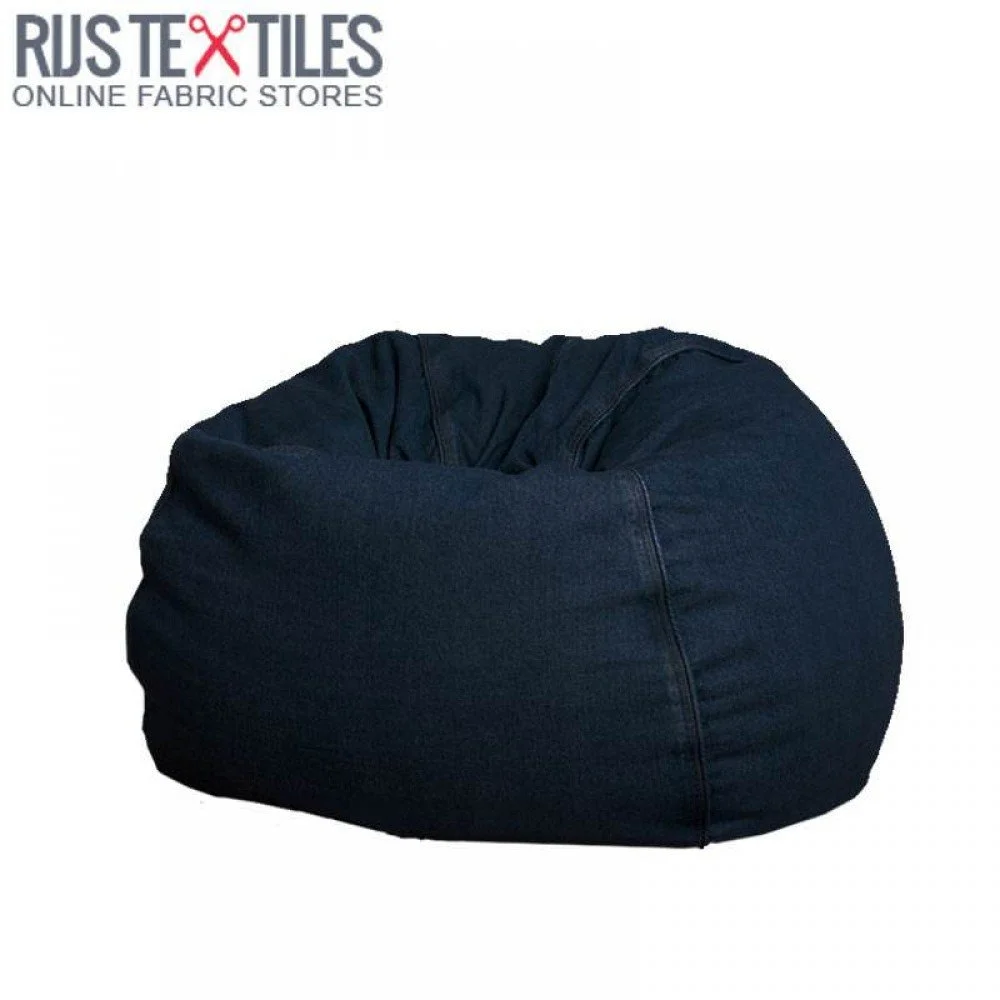
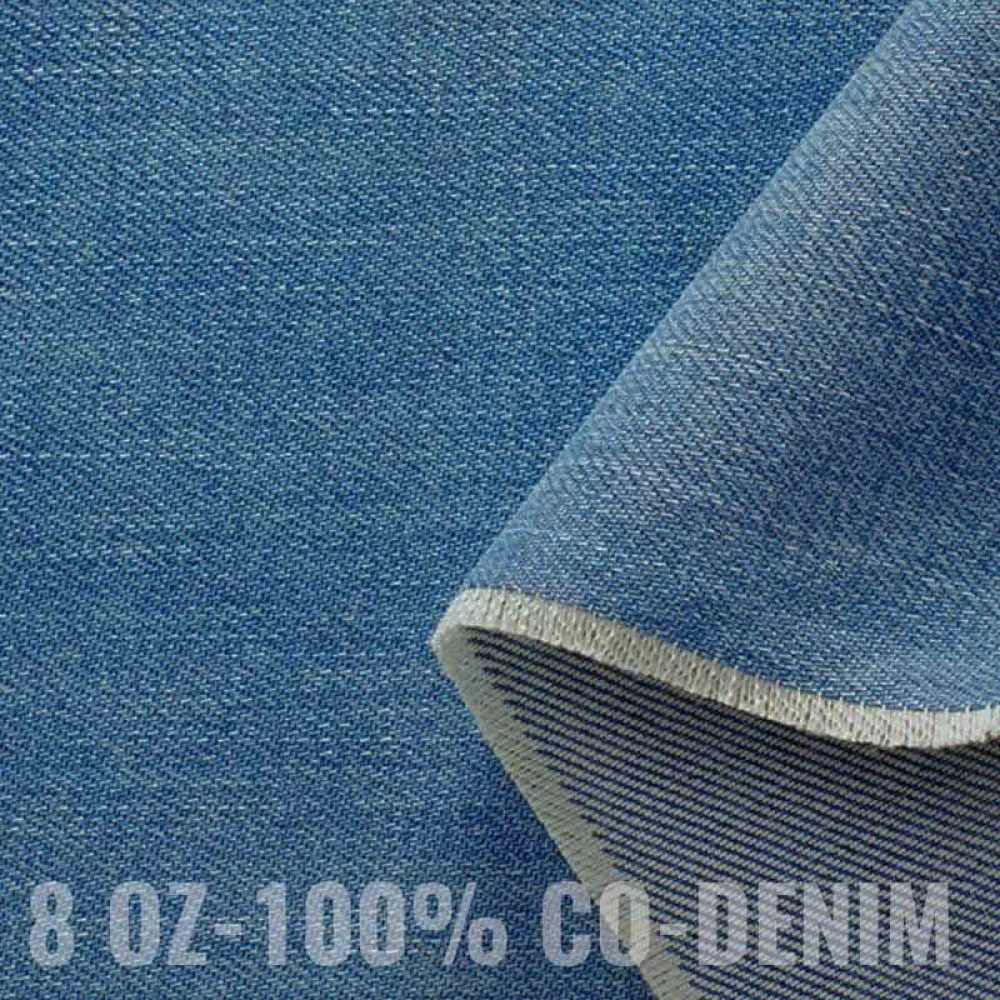
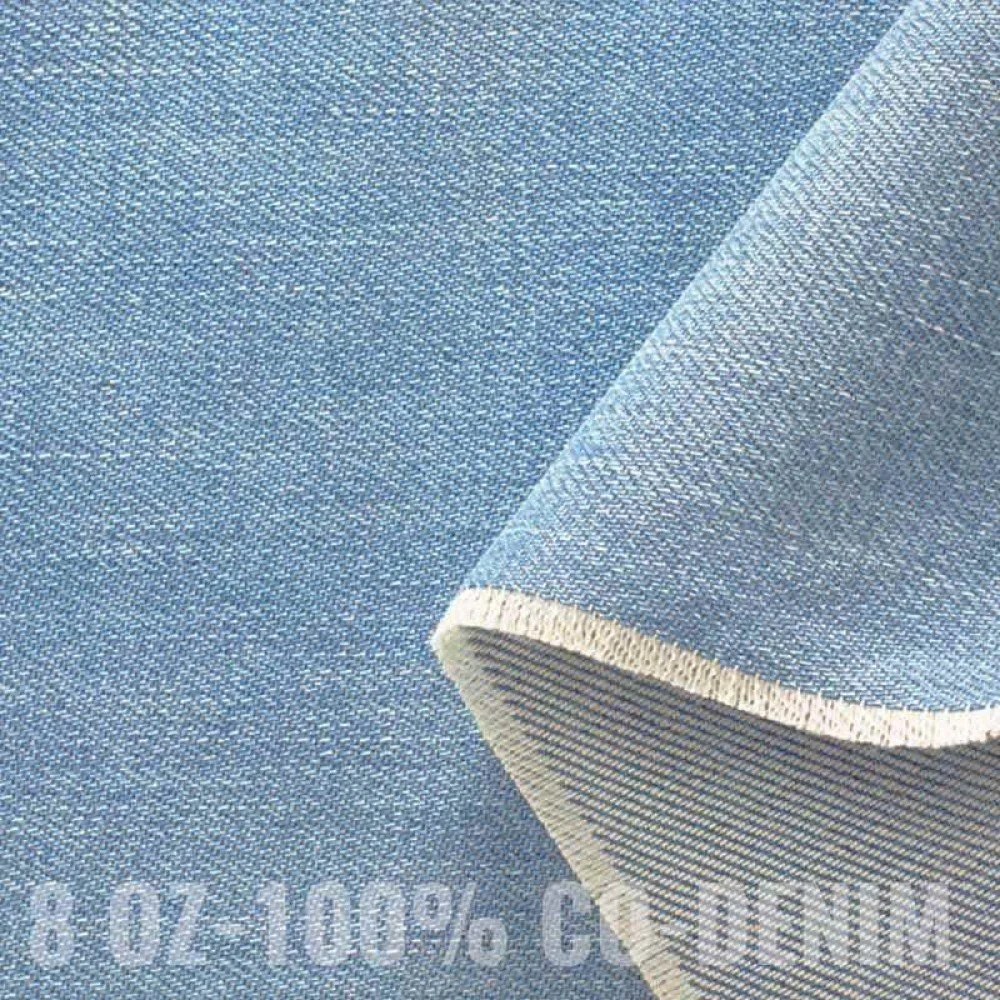
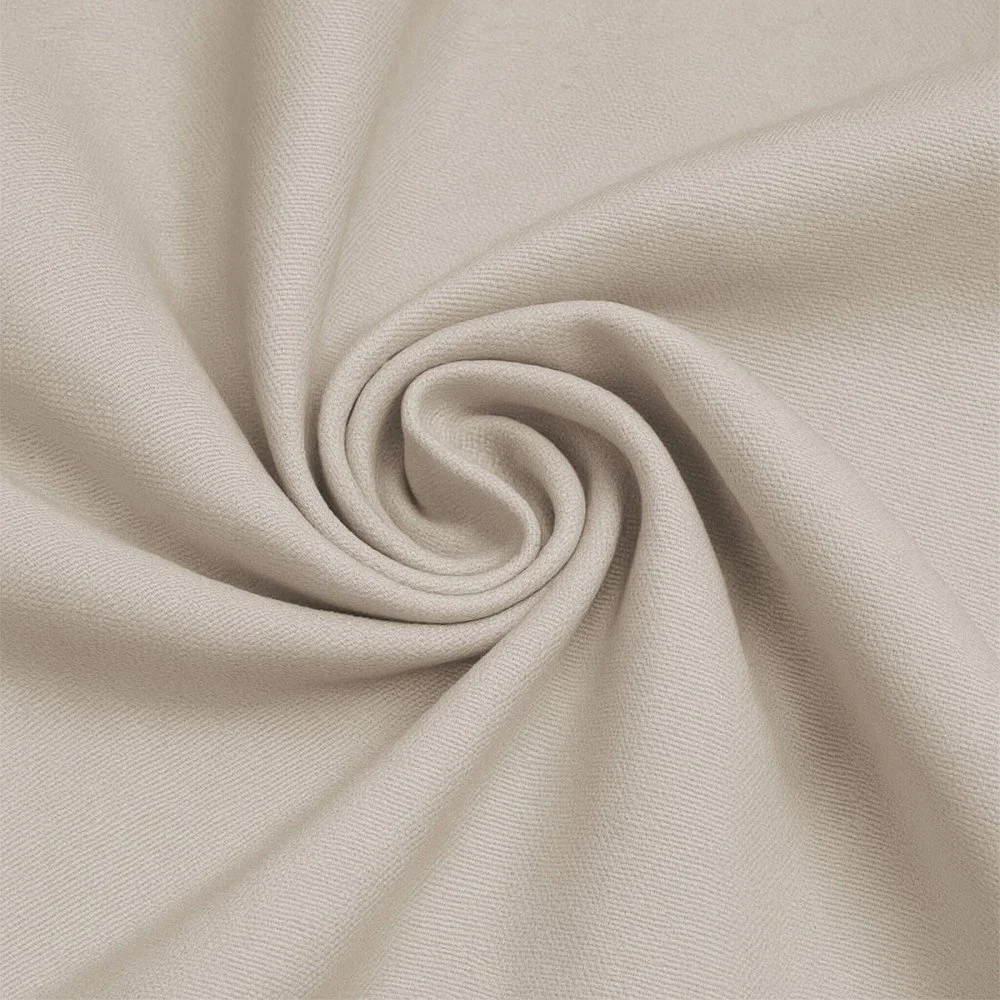
For those spots you want a dense cotton that holds its shape when you pull it tight. Canvas fabric cotton is the workhorse here, firm and tightly woven. Cotton twill has a diagonal weave, which is the way the threads cross, and that diagonal gives it a bit more drape over a curved headboard. Want something with real guts? Jeans fabric takes a beating and only looks better for it.
Smooth surface or visible texture?
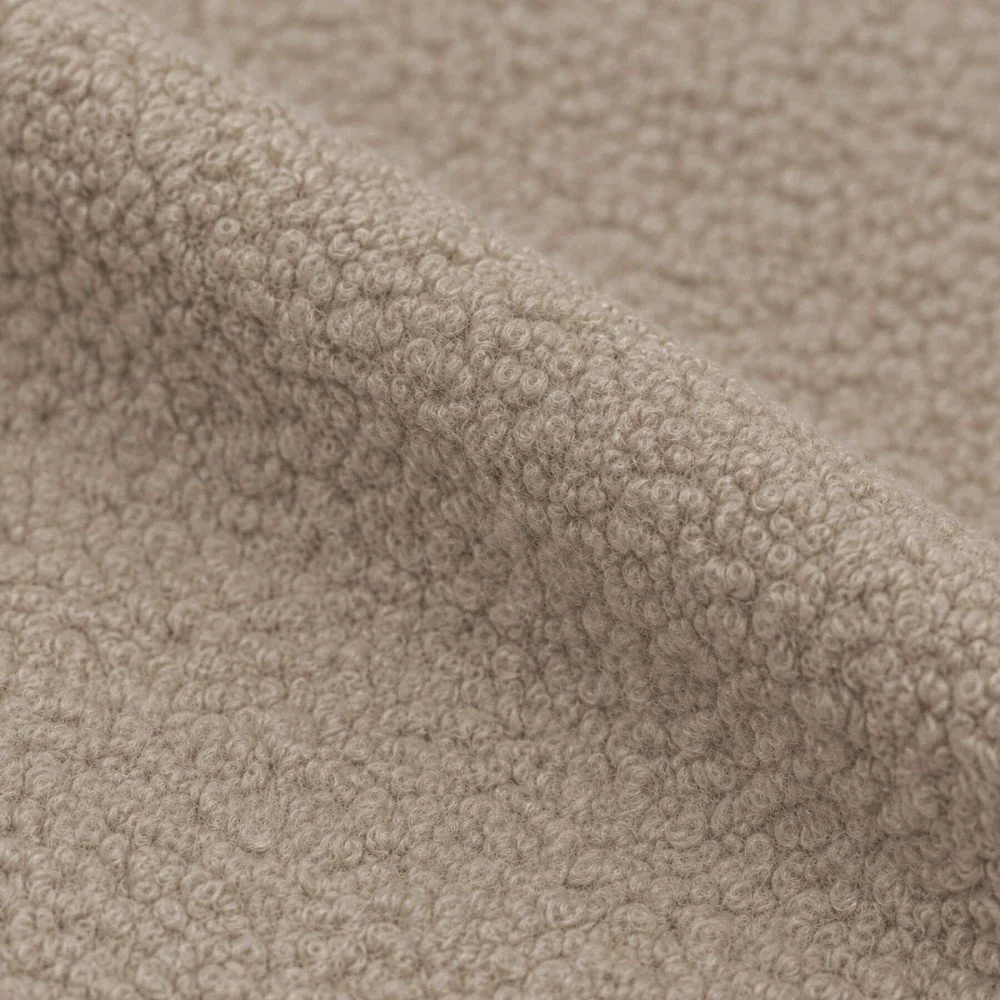
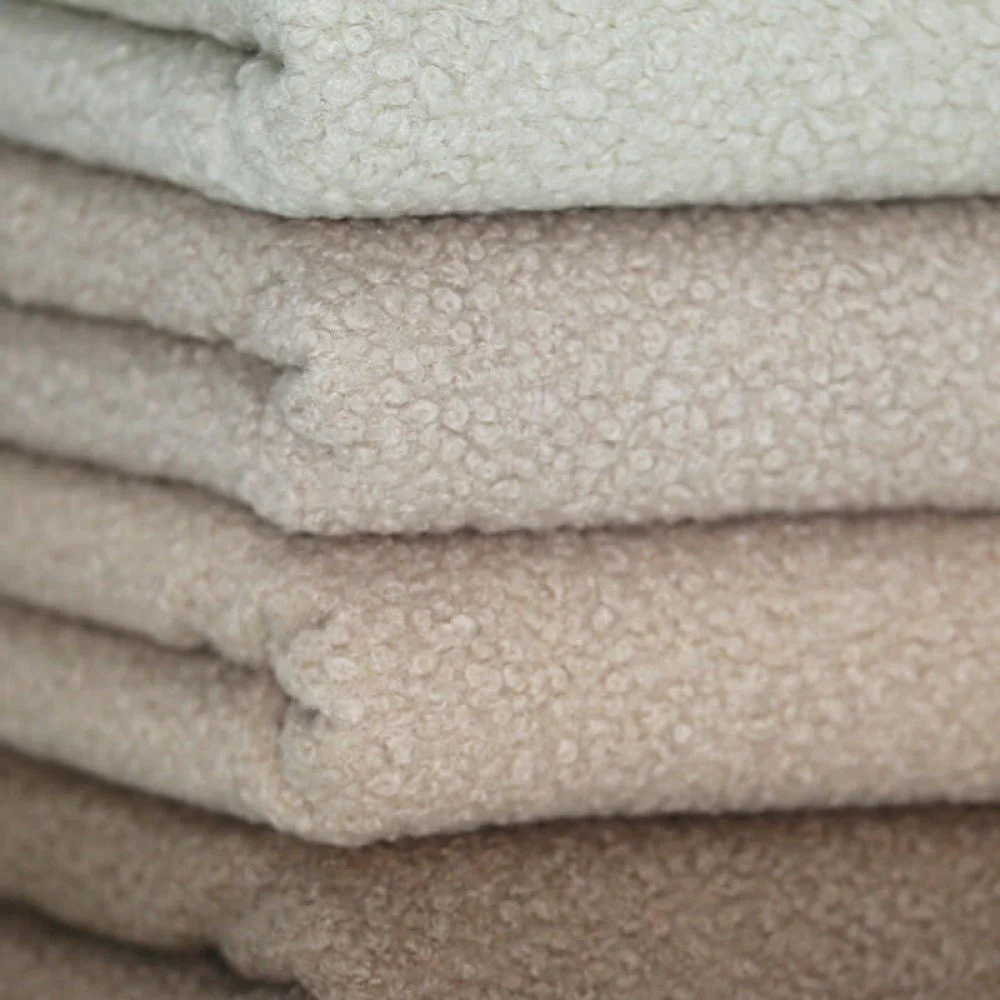
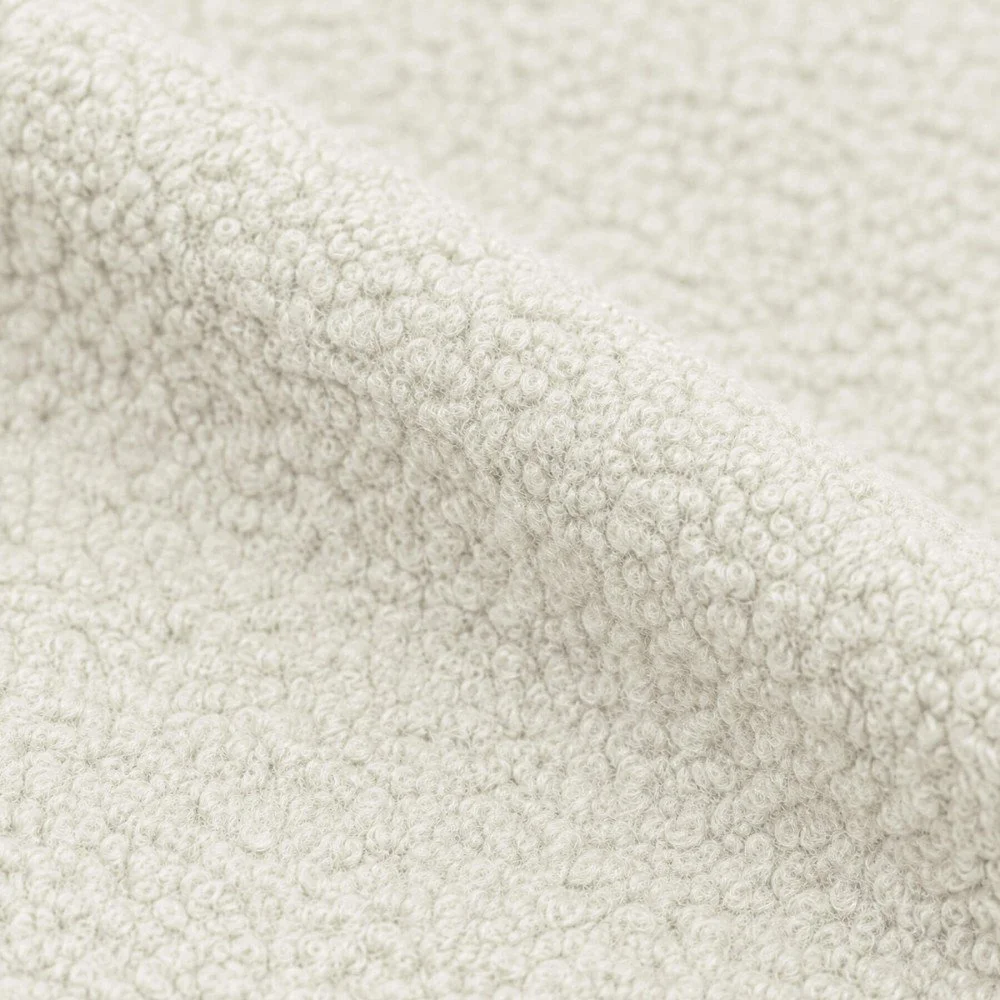
This is where the bed gets its character. Boucle fabric has little loops in the surface that catch the light and hide every crumb and fingerprint. Lovely on a headboard. Less lovely if a cat lives in the house, because claws find those loops.
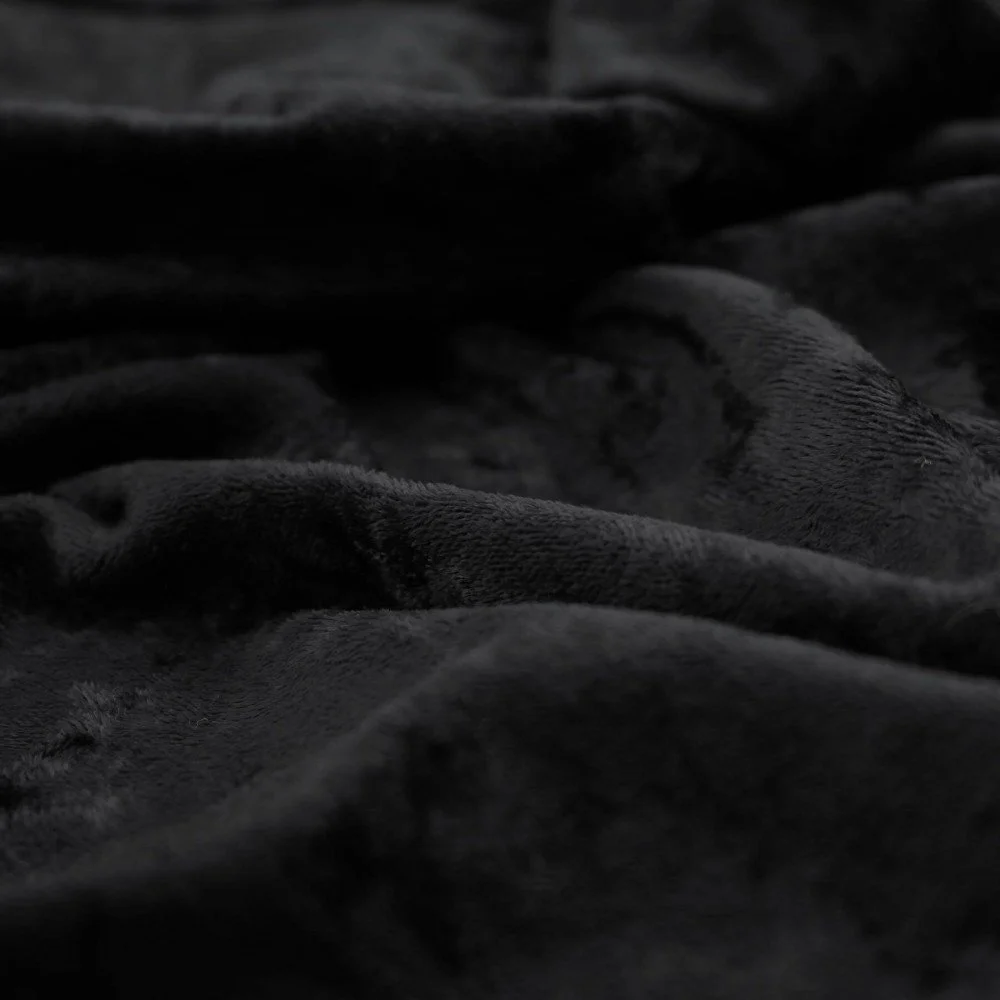
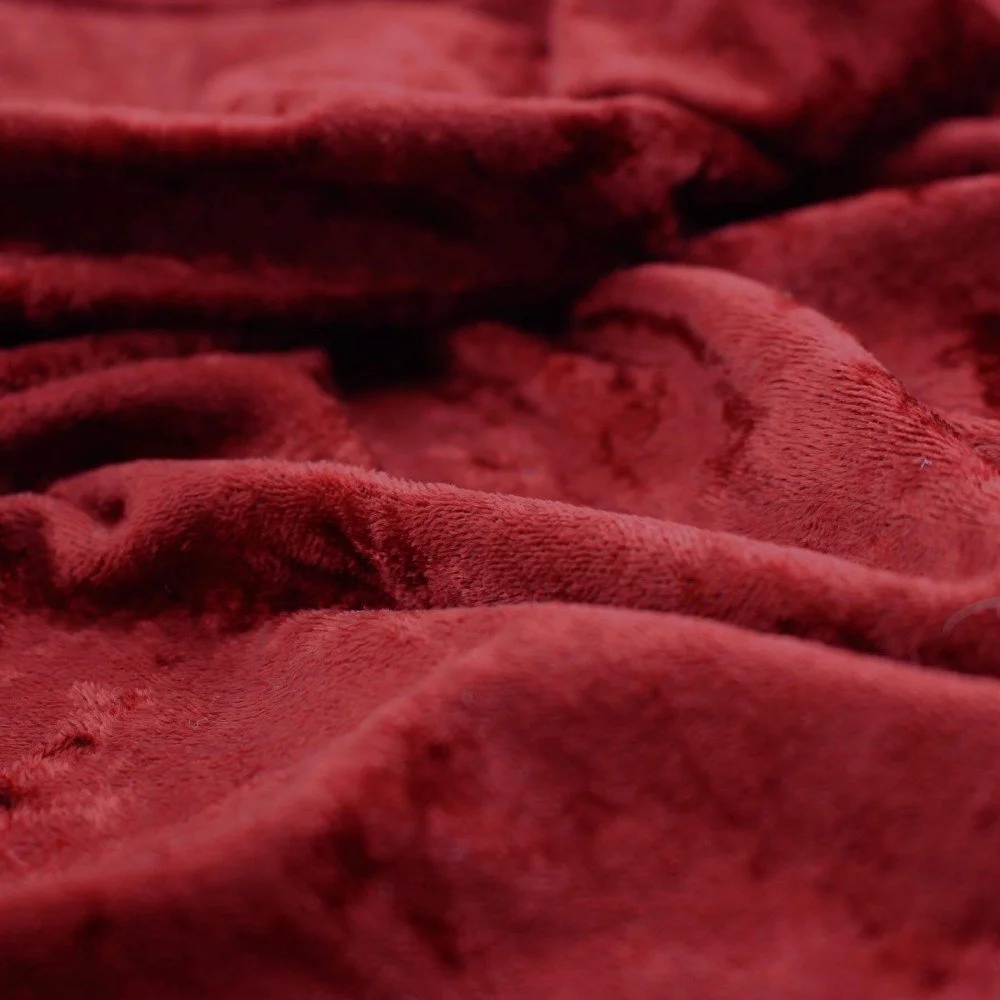
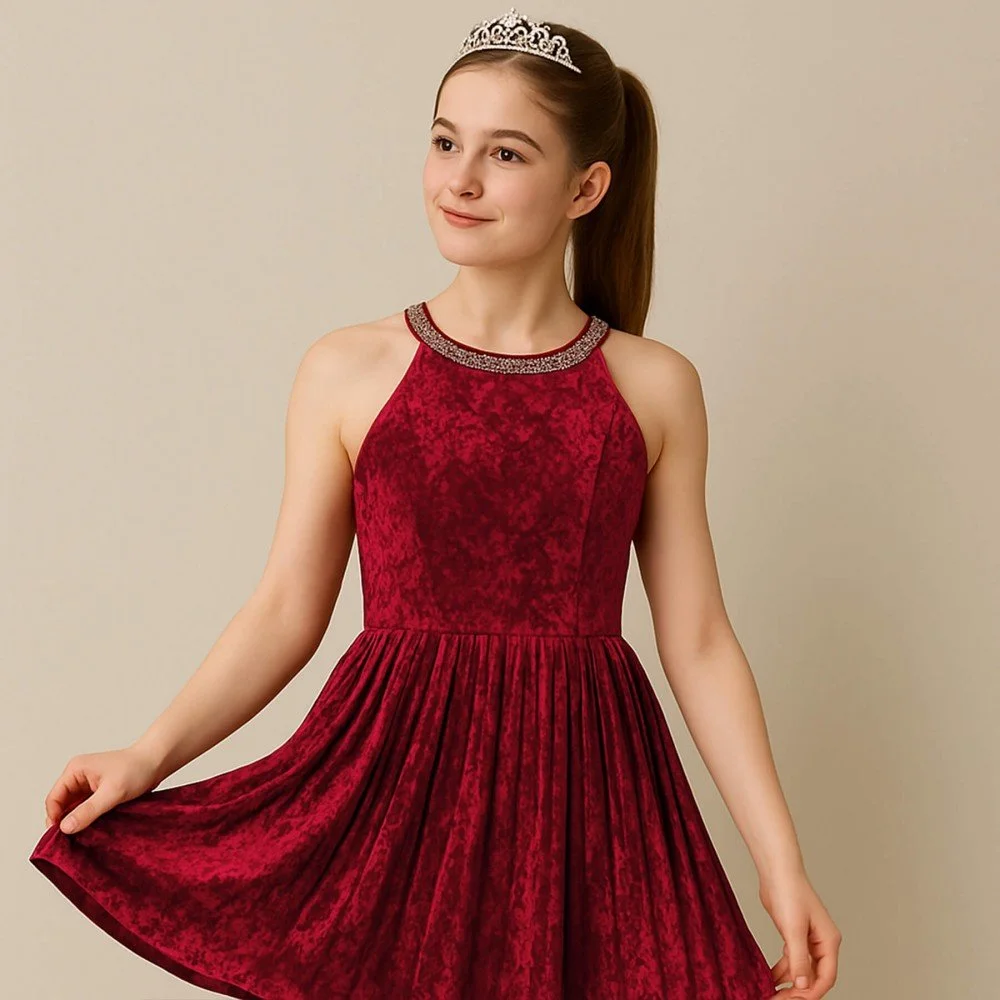
Panne velvet goes the other way: flattened, shiny, deep colour. One rule with any pile fabric. Lay out all your pieces with the pile running the same direction, or the headboard and the base will read as two different shades in daylight. Stroke the surface with your hand before you cut and mark the direction on the back with chalk.
Does the cover need to come off again?
Stapled straight onto the frame is faster and sits tighter. A separate cover with a zip means you can wash it, which matters if a toddler shares the bed on Sunday mornings.
Going the washable route? Wash your fabric before you cut, because cotton shrinks on its first wash and a cover that fitted on the cutting table will not fit afterwards. For a child's bed, printed cotton poplin makes a light headboard cover that goes in the machine without drama.
Staple gun or sewing machine?
If you are stapling, the fabric has to be pulled hard over the corners. Woven cotton gives a little on the diagonal, so work a corner by pulling from corner to corner first, then fold the surplus into one flat pleat and staple through the fold. Thin fabric pulls into dimples around each staple, which is another argument for canvas or twill.
If you are sewing a cover, a heavy cotton seam needs a thicker needle and a walking foot helps if you have one. Test on a leftover scrap first. Your machine will tell you in ten centimetres whether it is happy.
What goes between the frame and the fabric?
The layer underneath decides whether the bed looks crisp or lumpy. A few things worth having ready:
- Polyester wadding over tired old foam, so the headboard feels soft again instead of bony.
- Unbleached cotton as a layer under pale top fabric, so dark foam does not shadow through.
- Craft felt 1.5mm over sharp plywood edges, so nothing wears a line into your new fabric.
So where did you land?
Hard-wearing and stapled tight: canvas or twill, wadding underneath, no prewash needed. Soft and decorative: boucle or panne velvet on the headboard, pile all one way. Washable: prewash everything and sew a zipped cover. Measure your base and headboard, add a good hand's width all round for pulling and stapling, then check the advantage packages to see how far your metres stretch.
Frequently asked questions
Can I staple over the old fabric instead of stripping it off?
Yes, if the old cover is still smooth and firmly attached. Every seam and ridge underneath will show through the new layer though, so run your hand over the whole surface first. Any bump you can feel, you will see.
Do I have to prewash the fabric?
Only if the cover is coming off again to be washed. For a stapled cover, prewashing is unnecessary and it softens the fabric, which actually makes it harder to pull drum-tight.
Which way should the velvet pile run on a headboard?
Downwards, so dust falls out rather than settling into the pile. Mark the direction with chalk on the back of every piece before you cut.
How do I join two widths for a wide base?
Put the seam where a leg or a corner hides it, press it open flat and staple through it. A pressed-open seam is far less visible under tension than a seam folded to one side.
≥ 100 Metre roll price € 5.50 € 4.00 Excl. Tax.
≥ 100 Metre roll price € 5.50 € 4.00 Excl. Tax.



≥ 100 Metre roll price € 5.50 € 4.00 Excl. Tax.