
What is terry cloth (towelling)? Types, sewing tips and a bib and headband to sew (free pattern)
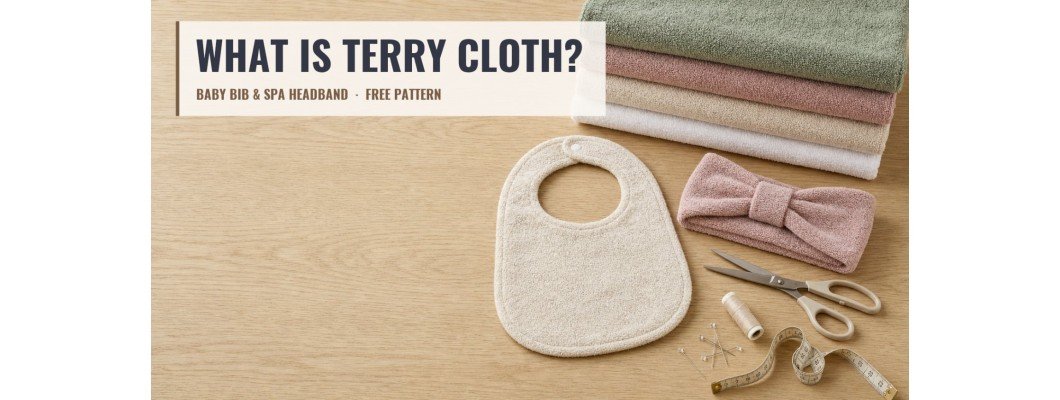
Terry cloth is a soft fabric with small loops on its surface. Those loops soak up a lot of moisture, which is why nearly all towels and bathrobes are made from it. You will also see it called terry, towelling or terry towelling; in Belgium and in older sewing books it goes by the French-derived name frotté. In this blog you will find out what terry cloth actually is, which types there are, how it differs from French terry and velour, and how to sew it. Then you will make two quick gifts: a baby bib with a free full-size pattern and a headband from stretch terry.
Download the free bib pattern (PDF)
What is terry cloth?
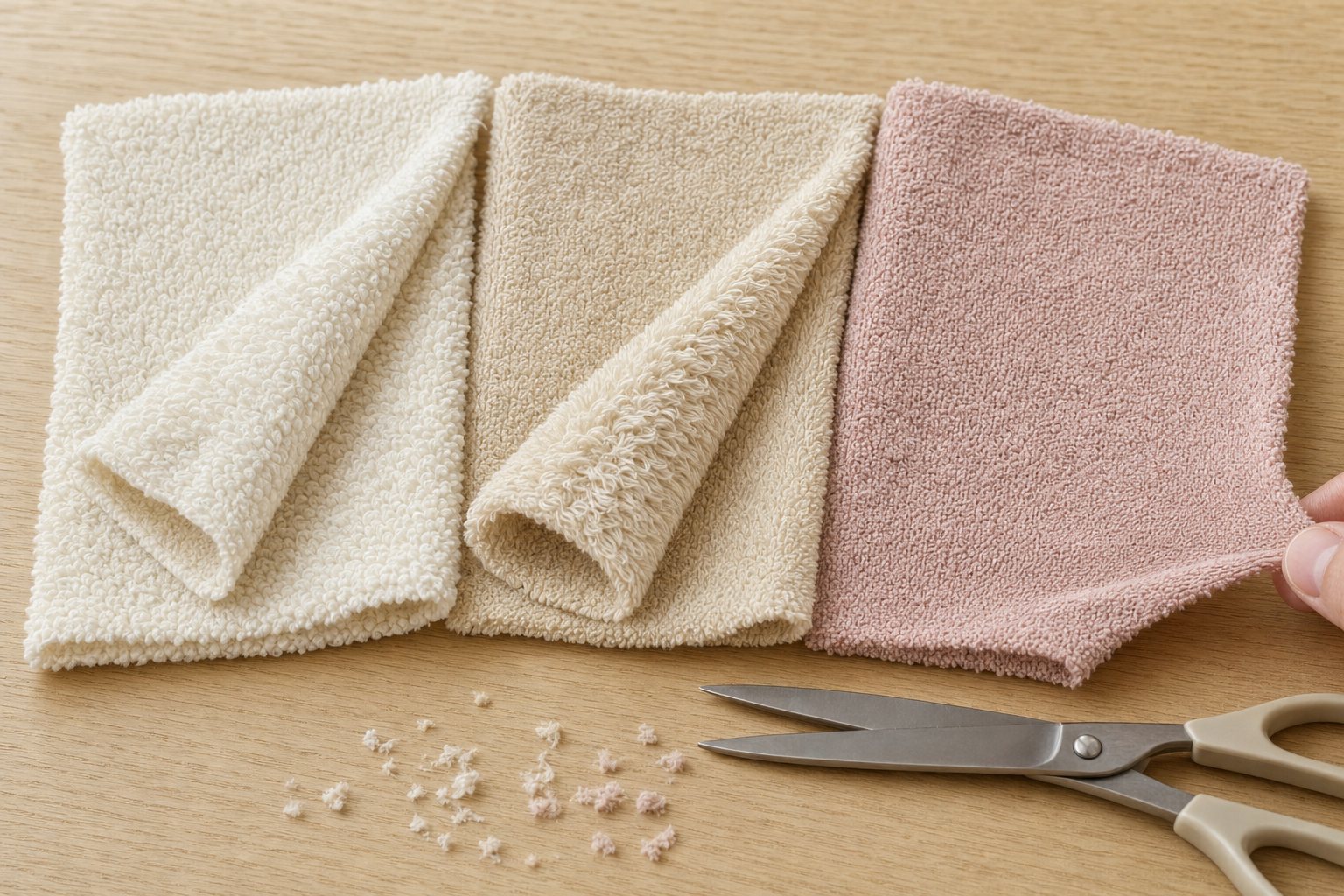
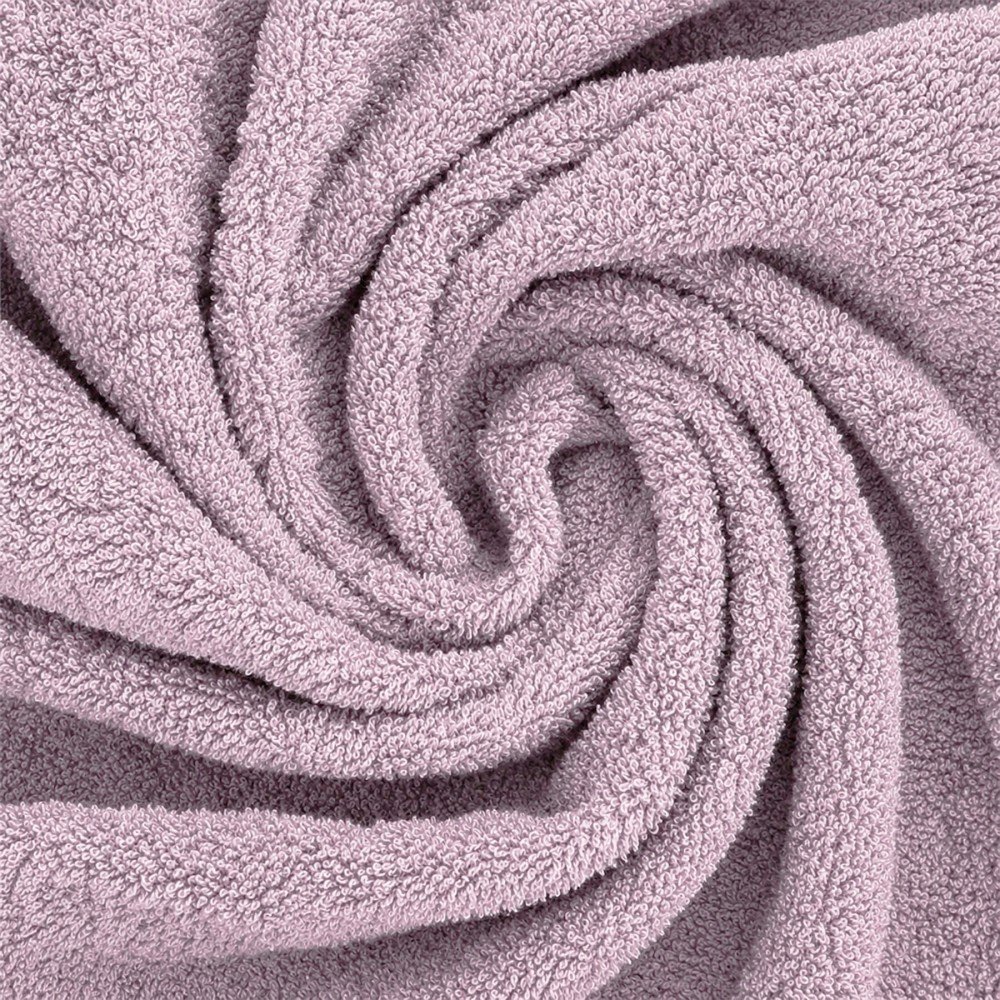
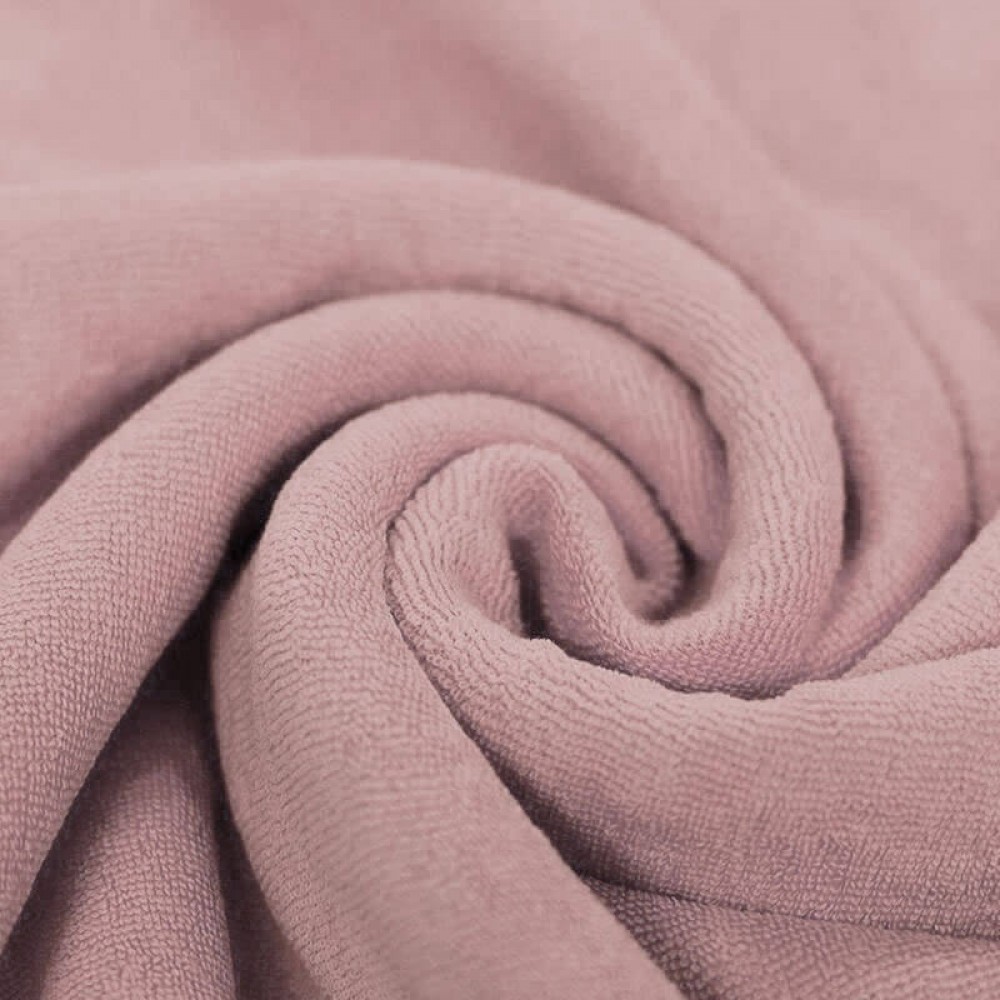
Terry cloth is a fabric with a loop pile: thousands of small yarn loops stand up from the base of the fabric. These loops give it a much larger surface area than a smooth fabric. As a result, terry absorbs a lot of water quickly and feels thick and soft. The denser and longer the loops, the more moisture the fabric absorbs and the fuller it feels.
Terry can be woven or knitted. Classic towels are usually woven. The terry at Rijs Textiles is circular knitted: the loops are on both sides, and the fabric is supple and soft to the touch. All types are 150 cm wide, washable at 30 °C and can go in the tumble dryer on a low heat.
What types of terry cloth are there?
| Type | Composition | Weight | Stretch | Price per metre |
|---|---|---|---|---|
| Terry cloth | 90% cotton, 10% polyester | 350 g/m² | none | €12.95 (incl. VAT) |
| Bamboo terry | 90% bamboo, 10% polyester | 350 g/m² | none | €14.95 (incl. VAT) |
| Double Touch bamboo terry | 40% bamboo, 40% cotton, 20% polyester | 320 g/m² | none | €13.95 (incl. VAT) |
| Stretch terry | 80% cotton, 20% polyester | 240 g/m² | 4-way stretch | €11.95 (incl. VAT) |
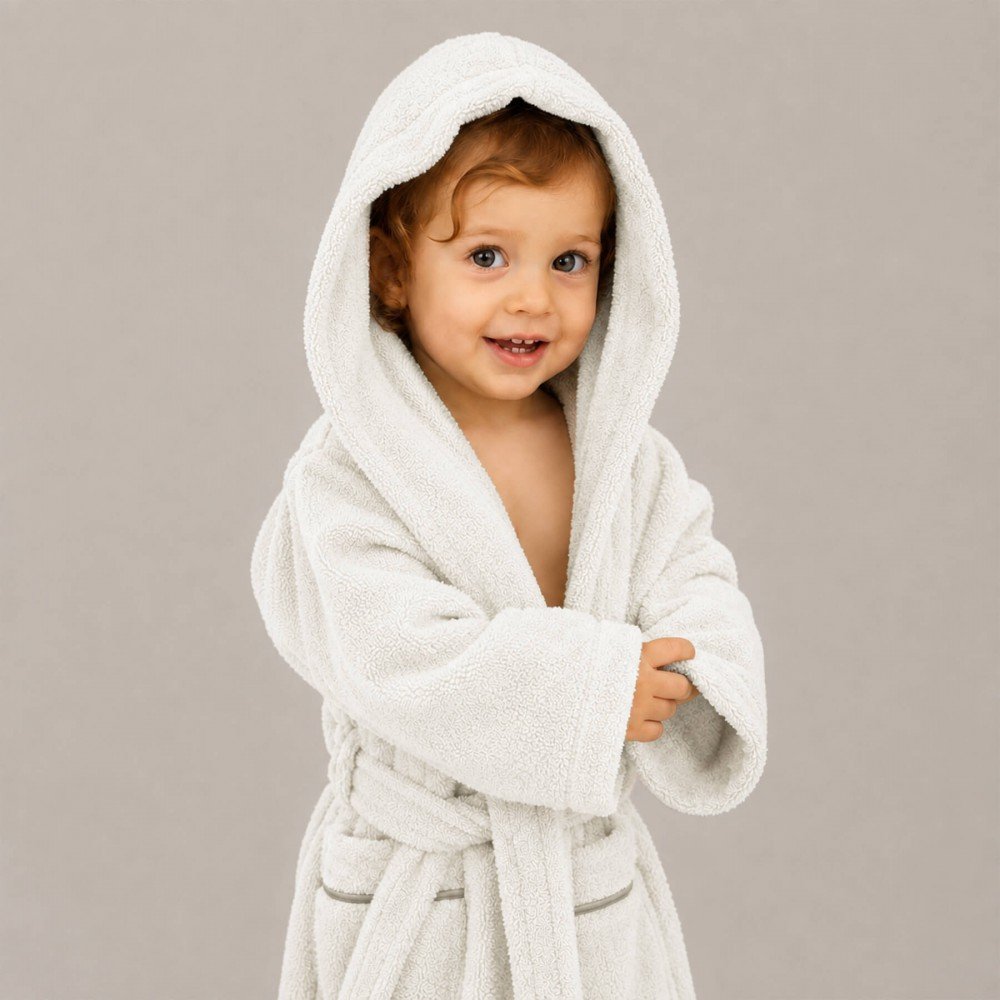
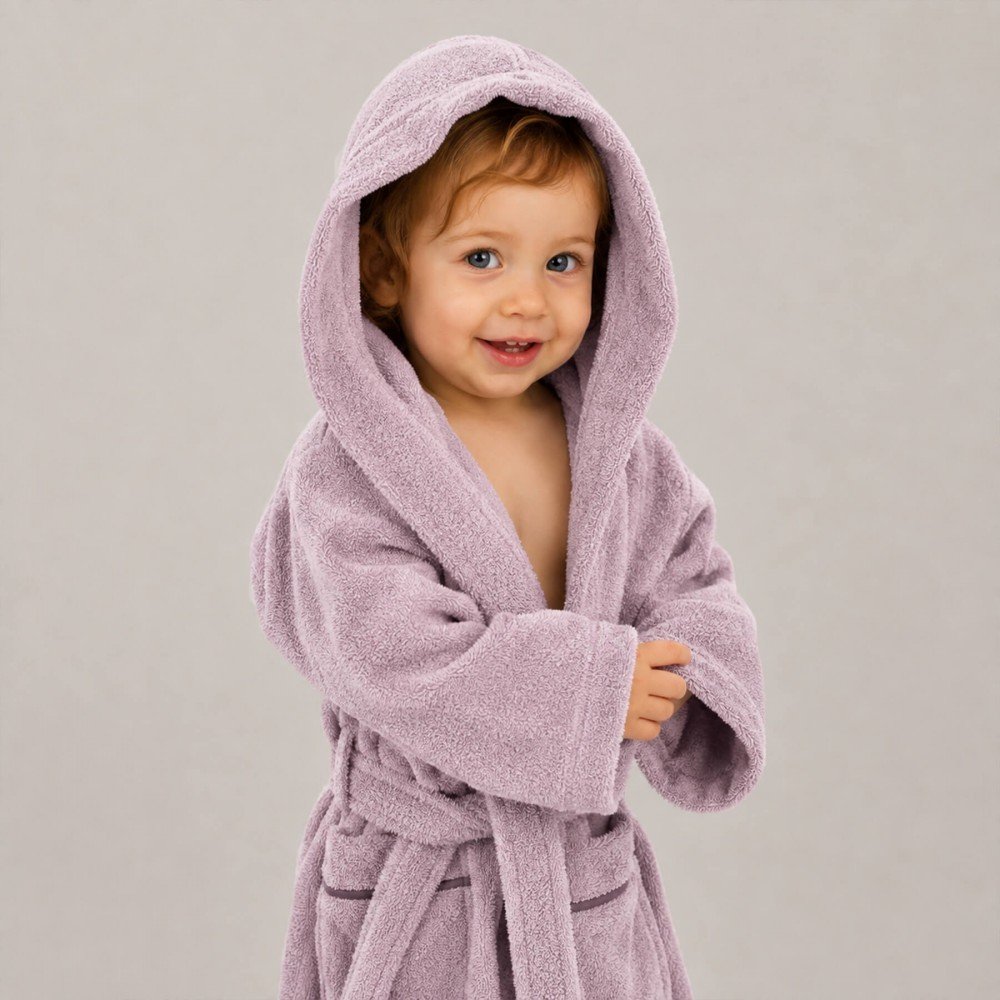
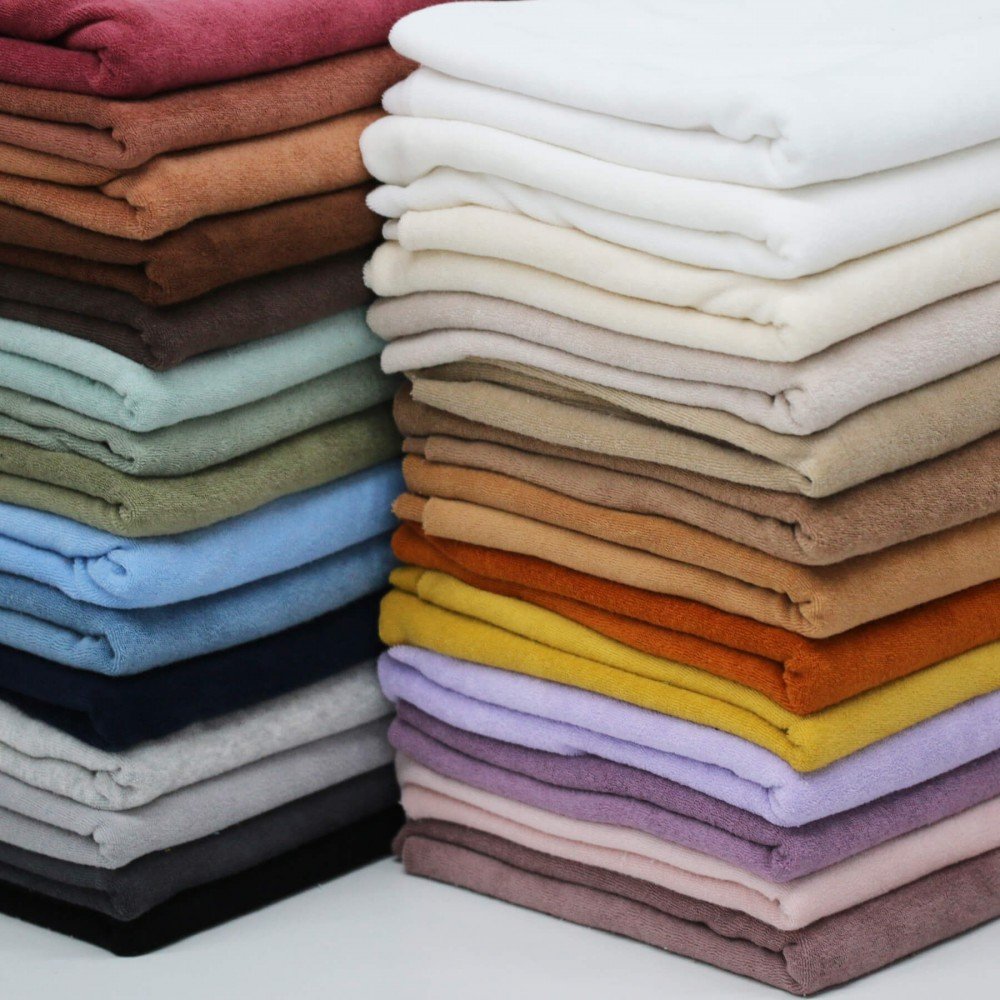
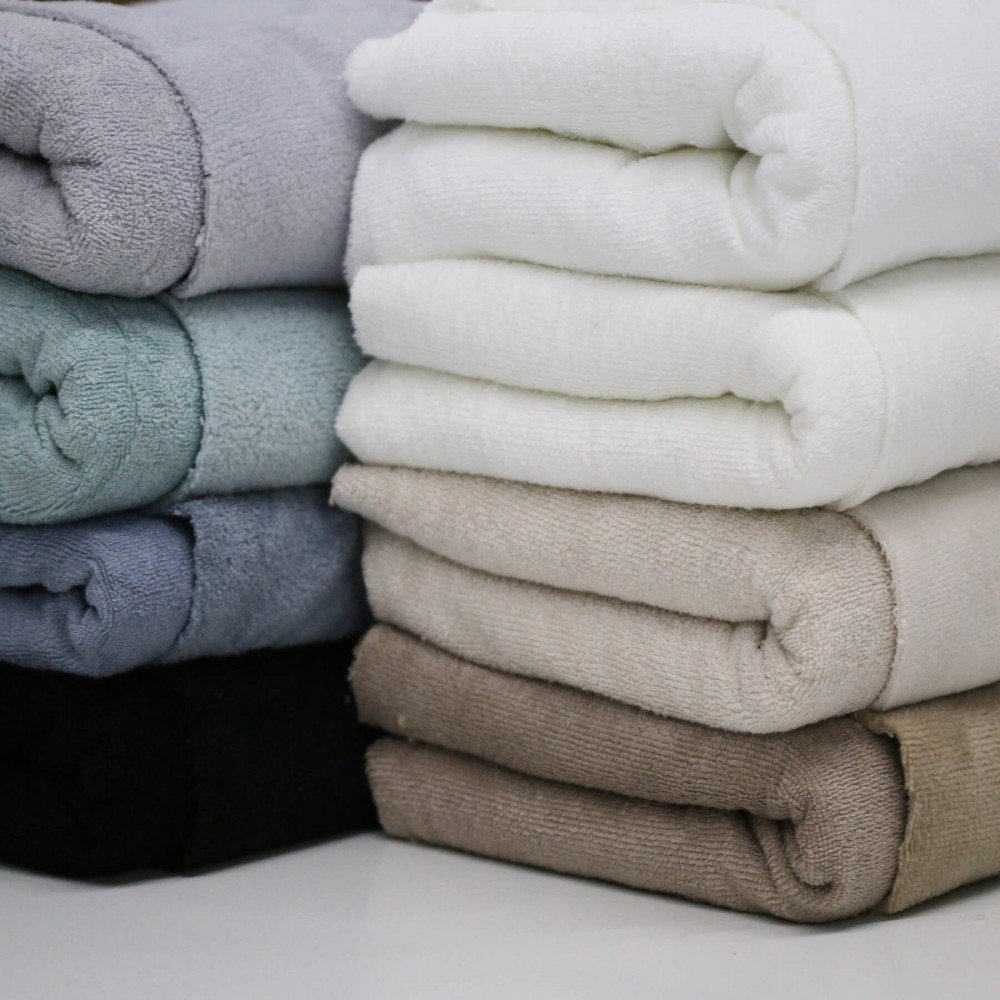
- Regular terry cloth is the sturdy, thick quality for towels, bathrobes, washcloths and hooded baby towels. It is made from ring-spun yarn, which sheds less and feels smoother. There are around twenty colours, from ecru to old pink.
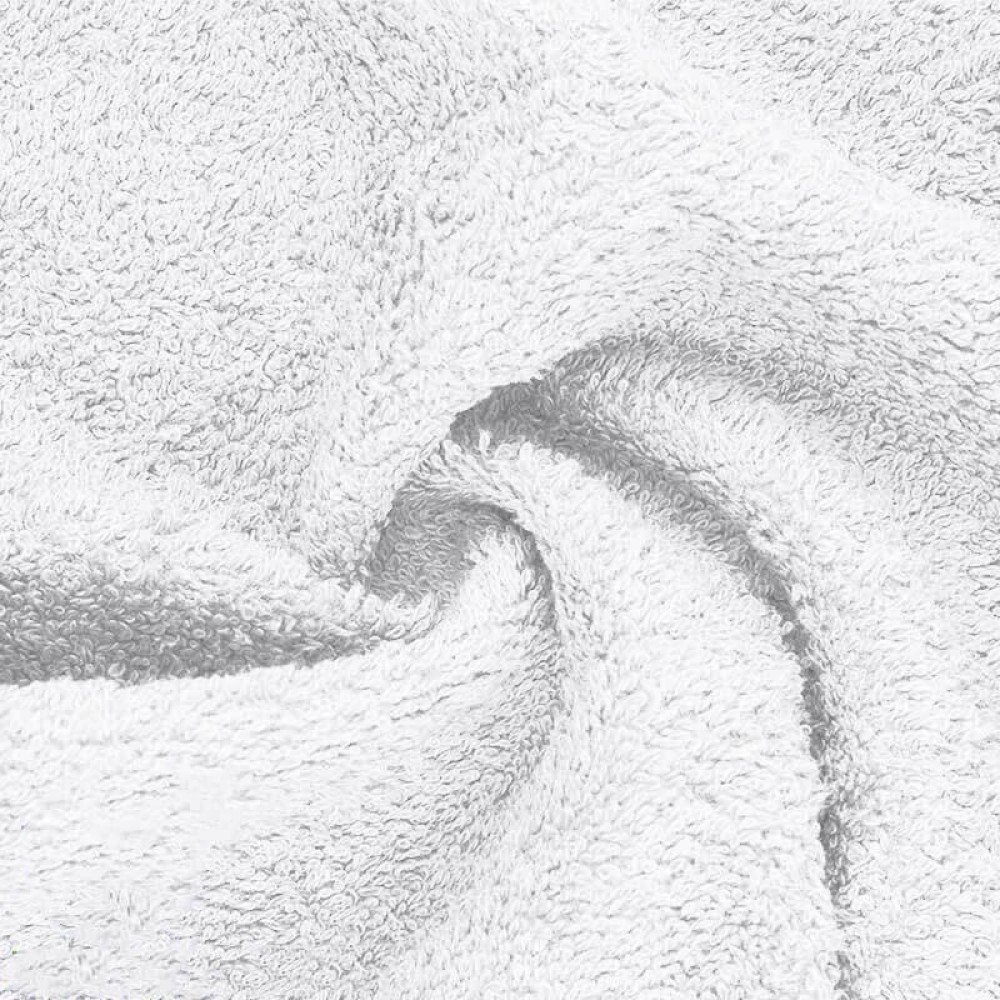
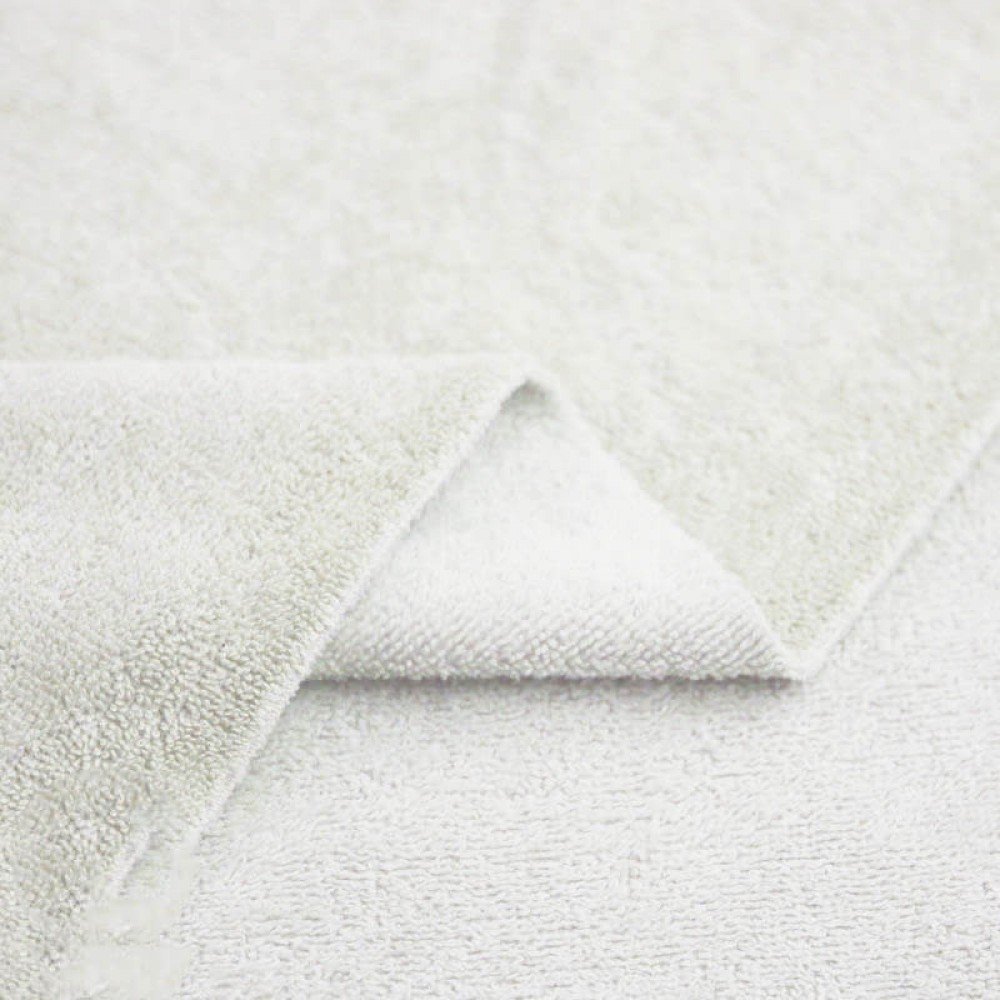
- Bamboo terry feels extra soft. One side has short loops, the other side longer ones. See for example bamboo terry in white.
- Double Touch bamboo terry is the softest terry we stock. The long loops on one side feel almost fluffy. Lovely for baby items such as a bib or a swaddle: Double Touch bamboo terry in ecru.
- Stretch terry (stretch toweling fabric) is thinner and stretches in every direction. That makes it suitable for clothing that needs to move with you: spa wear, loungewear, baby clothes and headbands. One example is stretch terry in nude pink.
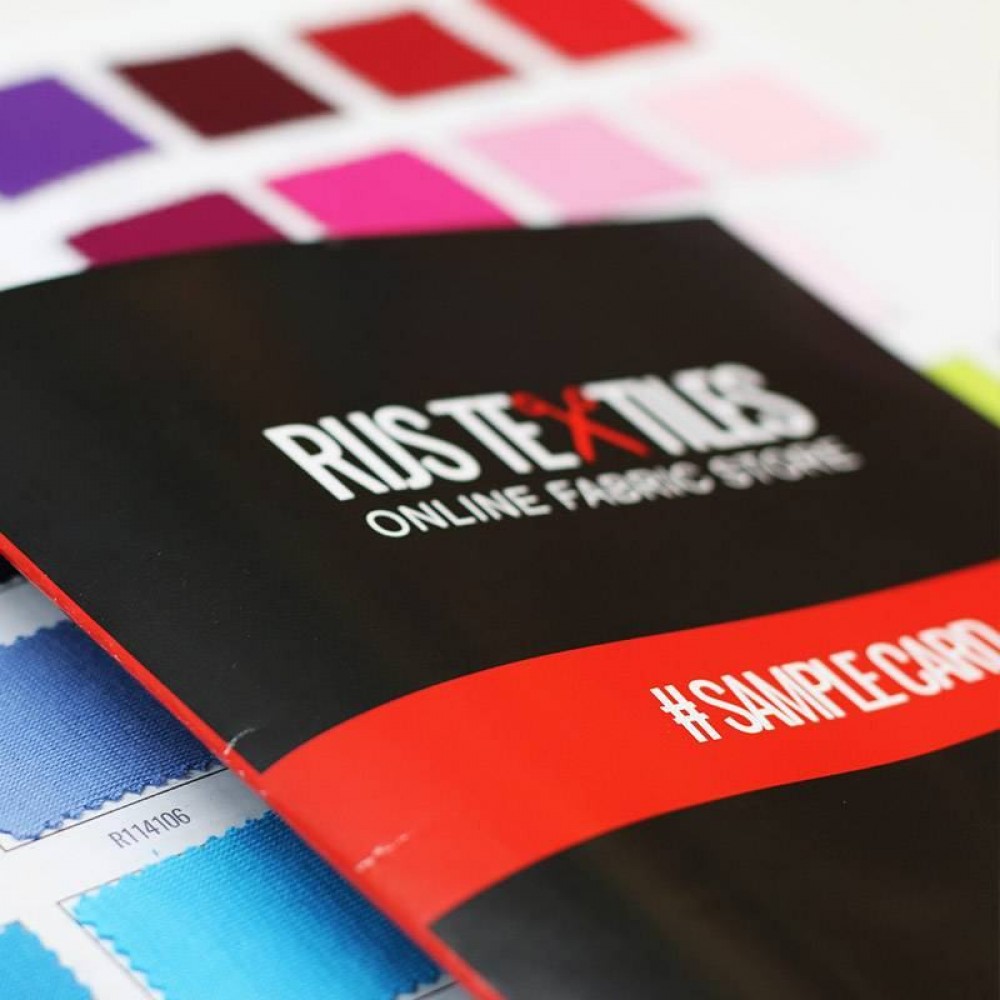
Not sure about the colour? With the terry fabric sample card (€9.95 incl. VAT) you can see and feel every colour. You will find all types together under terry fabric.
Terry cloth, French terry and velour: what is the difference?
The names sound alike, but you use these fabrics for very different things.
| Terry cloth (towelling) | French terry | Velour (nicki) | |
|---|---|---|---|
| Loops | on the outside, often on both sides | only on the inside, smooth outside | loops sheared open into a velvety surface |
| Feels like | thick, soft, a towel | a thin sweatshirt | velvet |
| Absorbency | very good | moderate | moderate |
| Used for | towels, bathrobes, bibs, washcloths | sweatshirts, hoodies, joggers | loungewear, soft toys, baby clothes |
Looking for fabric for a jumper? Then read our blog on choosing fabric for hoodies and sweaters, which covers French terry in detail.
What is terry cloth used for?
- Bathroom: towels, bath sheets, washcloths, a bathrobe or a kimono.
- Baby: bibs, hooded baby towels, burp cloths, changing mat covers.
- Wellness: headbands, hair turbans, sauna kilts.
- Summer: beach towels, beach bags, shorts and tops made from stretch terry.
Sewing terry cloth: six tips
- Needle: for regular and bamboo terry, a universal needle 90/14 or 100/16; for stretch terry, a jersey needle 75/11 or 80/12. Have a look at our needles.
- Stitch: a 3 mm straight stitch for non-stretch terry. For stretch terry, a stretch stitch or a narrow zigzag so the seam stretches with the fabric.
- Cutting: terry sheds fluff along the cut edge. Cut somewhere that is easy to clean, and give the pieces a quick shake before you start sewing.
- Edges: finish seam allowances with a zigzag or an overlocker, otherwise loops will come loose after washing. For a bib this is not needed: all the edges end up on the inside.
- Thickness: two layers of terry are thick. Use long pins or sewing clips, and reduce the presser foot pressure a little if your machine allows it.
- Thread: polyester sewing thread in the colour of the fabric. When topstitching, a thread that is slightly lighter is less noticeable than a darker one.
Project 1: terry cloth bib (free pattern)
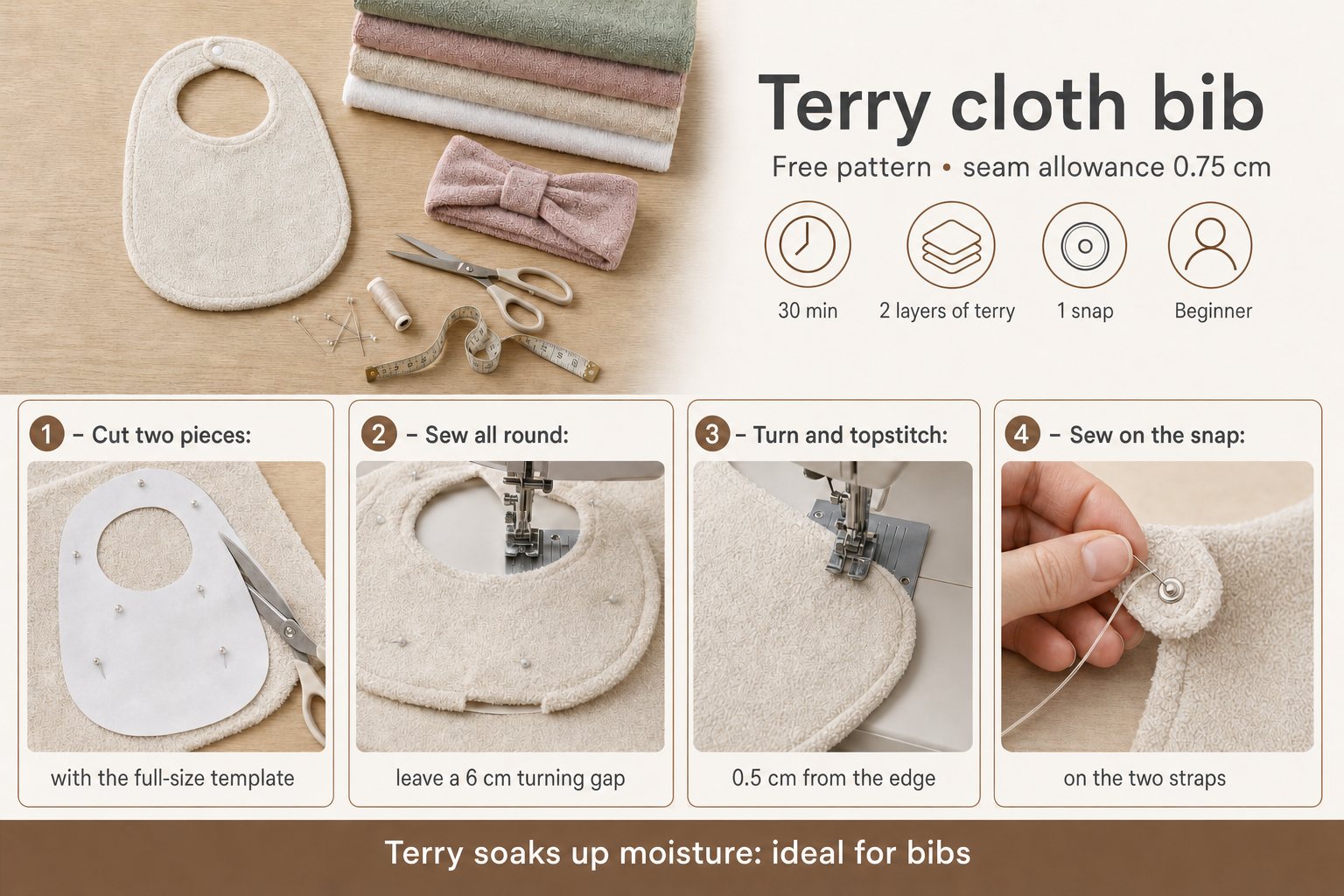
A terry bib absorbs moisture far better than a cotton bib. It is a small project you can finish in half an hour, and a lovely baby shower gift. The pattern is drafted for babies from about six months: the bib is 19 cm wide and 26 cm high, with a neck circumference of about 27 cm when the snap is closed.
What you need
- two pieces of terry measuring 21 × 28 cm. From 1 metre of terry (150 cm wide) you can cut 21 pieces: enough for 10 bibs. A front in Double Touch bamboo terry with a back in regular terry looks lovely, but using the same fabric twice works too.
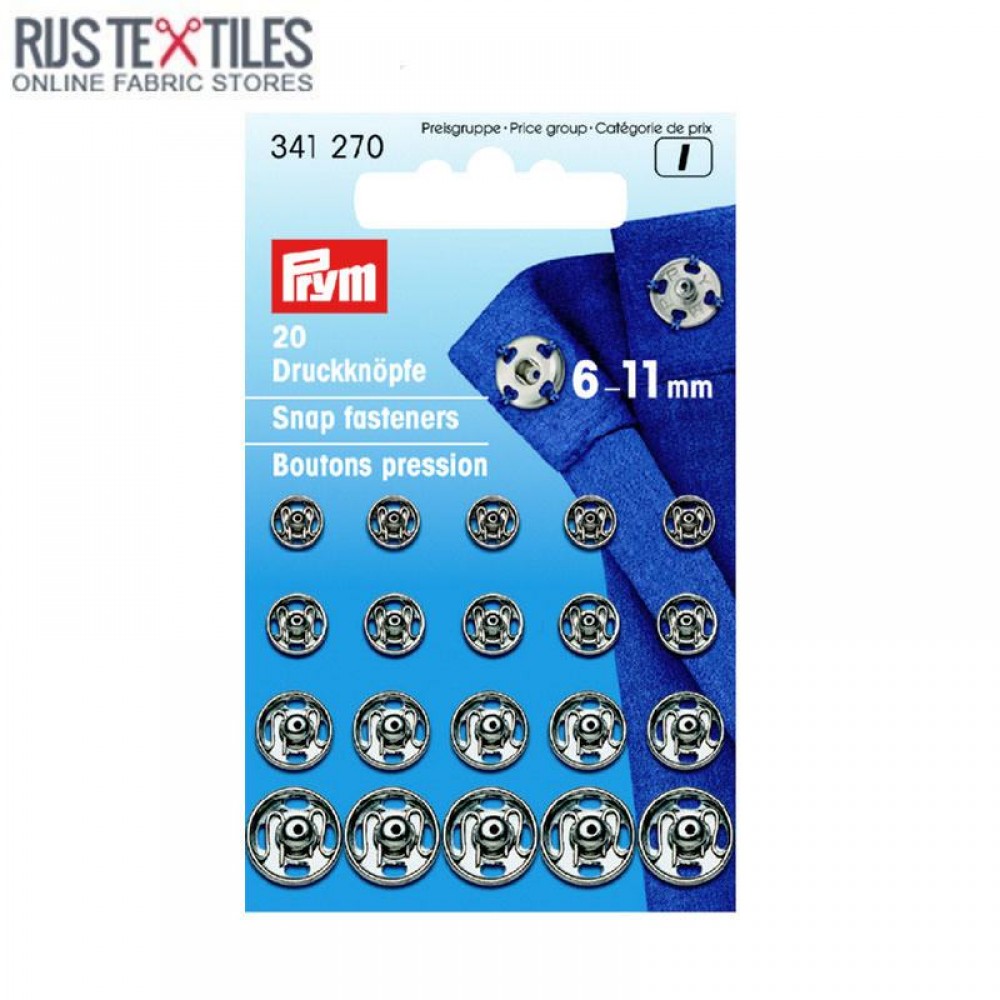
- one sew-on snap fastener, from the set of Prym snap fasteners 6–11 mm (€2.90 incl. VAT)
- a 90/14 needle, polyester sewing thread, pins, scissors, a hand-sewing needle
- the template from the free pattern (page 2, full size)
How to sew the bib
- Print the pattern at 100% and measure the test square: it must be exactly 3 × 3 cm. Cut out the template along the thick line. The 0.75 cm seam allowance is already included.
- Cut two pieces: one front and one back. Place the grainline arrow parallel to the selvedge.
- Place the pieces together with right sides facing and pin the edges.
- Sew all the way round at 0.75 cm, including around the neckline and the straps. At the bottom, leave a 6 cm turning gap open between the two marks on the template.
- Clip small notches into the seam allowance on the curves, especially around the neck. Do not cut through the stitching. Turn the bib right side out through the gap and push out the straps and edges well.
- Topstitch all the way round 0.5 cm from the edge. This closes the turning gap at the same time and keeps the bib nice and flat after washing.
- Sew on the snap at the two crosses: the male part on the underside of one strap, the female part on the top of the other. Done.
Download the free bib pattern (PDF)
Project 2: stretch terry headband
A wide terry headband keeps your hair out of your face while you shower, remove your make-up or apply a face mask. You do not need a pattern: it is just two rectangles. Use stretch terry, because the headband has to stretch to fit over your head.
| Head circumference | Band (length × width) | Knot strip |
|---|---|---|
| 52 cm | 46 × 20 cm | 12 × 8 cm |
| 56 cm | 50 × 20 cm | 12 × 8 cm |
| 60 cm | 54 × 20 cm | 12 × 8 cm |
The band is 6 cm shorter than your head circumference so that it stays in place. Cut it so that the fabric stretches most along the length of the band.
- Fold the band in half lengthwise, right sides together, and sew the long side with a 1 cm seam using a stretch stitch or narrow zigzag.
- Turn the tube right side out with a safety pin or a spoon.
- Sew the ends together: lay them flat on top of each other and sew them with a 1 cm seam. Zigzag the seam allowance. You now have a ring.
- Make the knot strip: fold the strip in half lengthwise, sew the long side at 1 cm and turn it. You now have a strip about 3 cm wide.
- Wrap the strip around the seam so that the band gathers there into a little bow. Overlap the ends on the inside and secure them with a few hand stitches.
That is a twenty-minute job. From 1 metre of stretch terry (€11.95 incl. VAT) you can easily cut ten headbands. Our stretch toweling fabric comes in more than twenty colours.
What does it cost?
| Project | Material | Cost (incl. VAT) |
|---|---|---|
| 10 bibs | 1 m Double Touch bamboo terry | €13.95, about €1.40 per bib |
| 10 headbands | 1 m stretch terry | €11.95, about €1.20 per headband |
| One-off | set of sew-on snap fasteners (Prym, 6–11 mm) | €2.90 |
These amounts are based on prices at the time of writing. Want to sew a towel or a bathrobe? Work out how much fabric you need with our blog how much fabric do I need? Want to try lots of colours? The surprise box with 10 × 1 metre of terry now costs €85.00 (incl. VAT) instead of €129.50. You will find more ideas for handmade gifts in handmade Christmas gifts to sew: 7 ideas, and for babies in sewing baby clothes from jersey.
Frequently asked questions
What is terry cloth?
Terry cloth is a fabric with small yarn loops on its surface, often on both sides. These loops make terry very absorbent and give it a thick, soft feel. That is why towels, bathrobes and washcloths are made from terry.
Is terry cloth the same as towelling?
Yes. Terry, terry cloth, towelling and the older name frotté all mean the same looped fabric. Frotté comes from the French frotter, to rub. In German it is called Frottee, in French tissu éponge.
What is the difference between terry cloth and French terry?
Terry cloth has loops on the outside, often on both sides, and absorbs a lot of moisture. French terry only has loops on the inside and is smooth on the outside, like a thin sweatshirt. You use terry cloth for towels and bathrobes, and French terry for jumpers and joggers.
Which needle should I use for terry cloth?
For regular terry and bamboo terry, a universal needle 90/14 or 100/16. For stretch terry, a jersey needle 75/11 or 80/12, with a stretch stitch or a narrow zigzag.
How do I wash terry cloth?
At 30 °C in the washing machine, without bleach. Terry can go in the tumble dryer on a low heat, which fluffs the loops up again. Ironing is rarely necessary, but you can iron it on a medium setting.
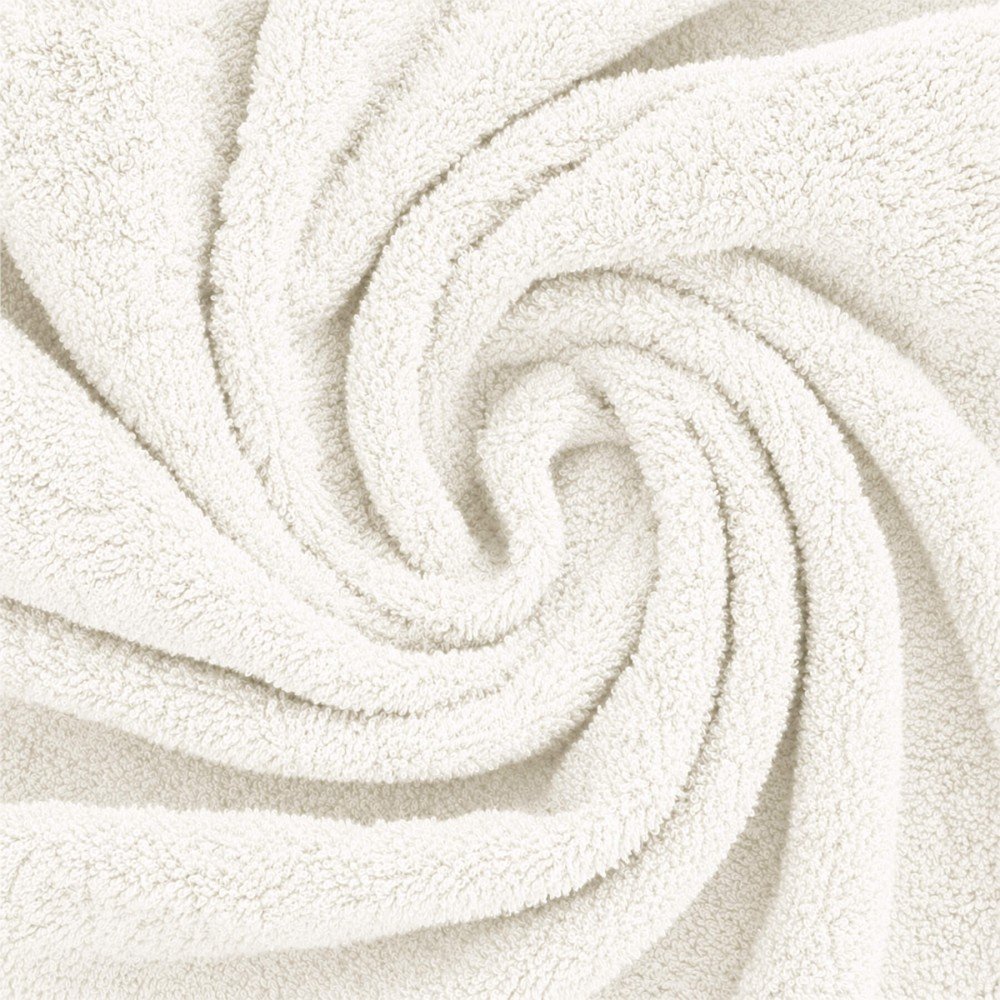
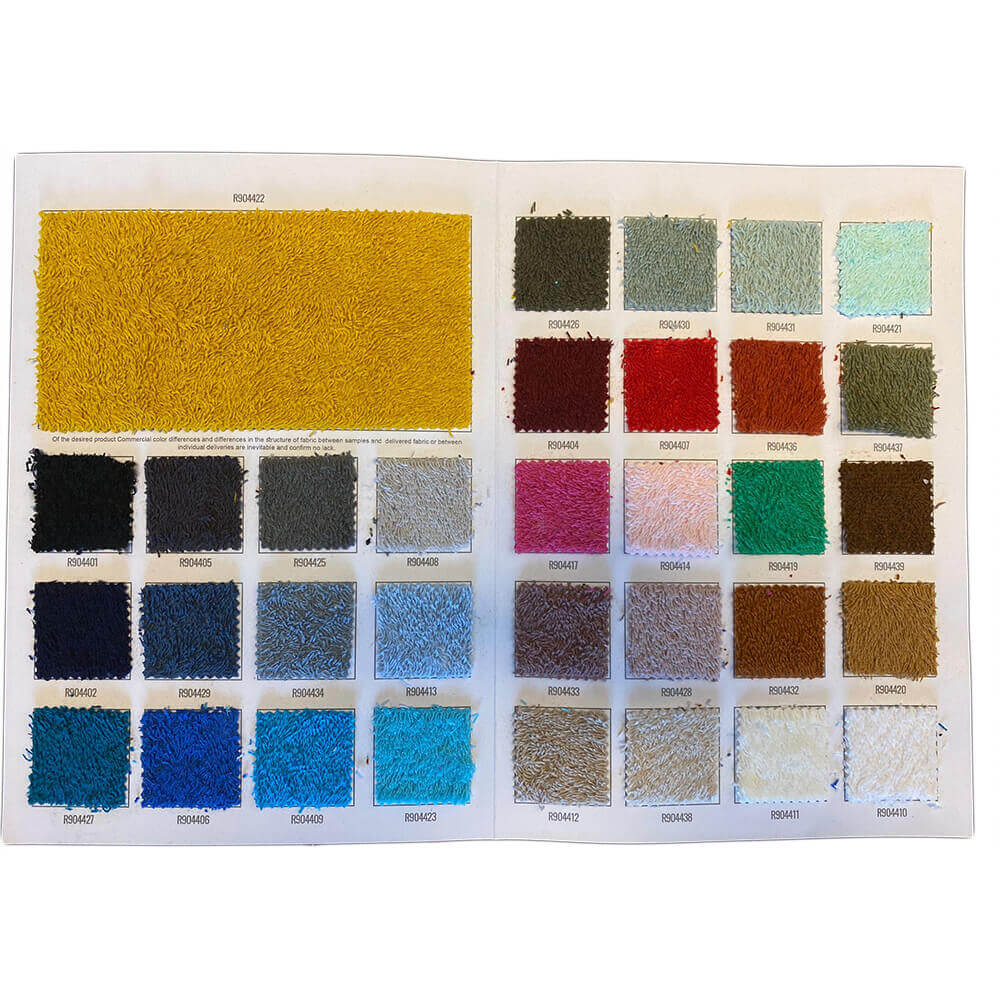
32 Different Colors.
Leave a Comment