
How to Make a Bag: 5 Mistakes That Ruin Your Project (and What to Do Instead)
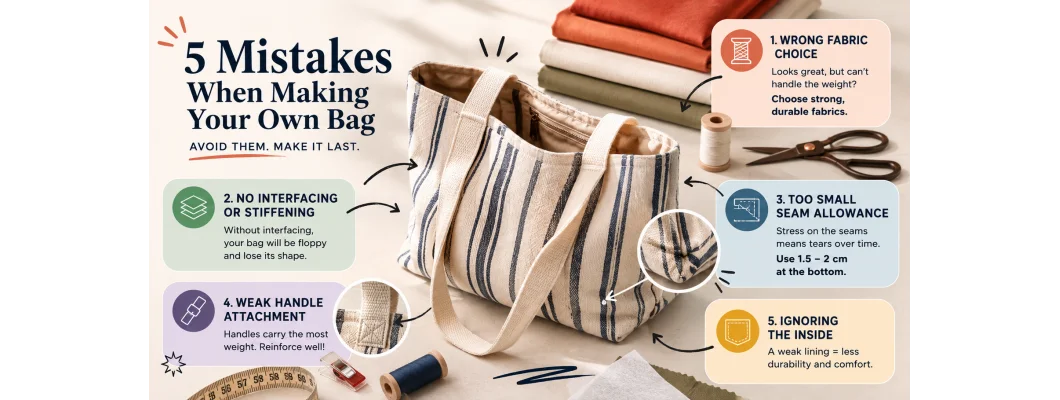
The most expensive mistake I see people make when they start making a bag is buying a gorgeous piece of fabric first and only thinking about structure afterwards. They fall in love with a print, cut it, sew it, and end up with a floppy sack that collapses the moment you put a water bottle in it. It happens more than you'd think, and by the time you notice, you've already used up your fabric and your patience. Before you touch your fashion fabrics stash for your next bag project, let's go through what actually goes wrong and how to sidestep it.
A bag is not a garment. It doesn't stretch around a body, it doesn't need to move with you, and it has to survive being dropped, stuffed, and dragged around for years. That changes everything about which fabric and which techniques you reach for. Here are the five mistakes I run into most often, whether I'm chatting with someone at the counter or reading a message from a customer whose bag turned out lopsided.
Five mistakes that ruin a homemade bag
Choosing a fabric with no body
Jersey, viscose, thin cotton lawn: lovely fabrics, wrong job. These fabrics drape, which is exactly what makes them useless for a bag that needs to hold its shape. A tote made from soft jersey looks like a wet paper bag within a week. Go for something with actual weight and a tighter weave instead: canvas, cotton twill, denim, or a home dec weight fabric from our deco fabrics range. Those fabrics were woven to sit on furniture and take a beating, so they'll happily survive being a grocery bag too.
Skipping interfacing because "the fabric feels thick enough"
This one costs people the most disappointment. Interfacing is the layer you iron onto the back of your fabric to add stiffness and stop it from sagging or stretching out of shape. Even a heavy canvas benefits from a fusible interfacing on the inside, especially on the base and sides where all the weight pulls. Skip it and your bag will slowly slump sideways, no matter how nice the outer fabric was. A stiff, fusible interfacing on the base panel alone makes a massive difference, and it takes five minutes with your iron.
Using the wrong needle and thread
A regular sewing needle sized for quilting cotton will skip stitches or snap outright on canvas or layered denim. Swap to a denim or heavy-duty needle before you start, and use a thicker top stitch thread if your machine handles it well. I've watched people fight their machine for an hour, convinced the machine was broken, when really the needle just wasn't built for the job. Test on a scrap first through all your layers, including interfacing, before you commit to the real seam.
Forgetting the bag has to open and close
People spend hours perfecting the outer panels and then bolt on a zip or magnetic snap as an afterthought, without checking the placement works with how the bag actually sits when it's full. A magnetic snap placed too close to the top edge will gape open the second you load anything heavy inside. Measure the closure position with the bag stuffed, not empty, and pin it in place before sewing. It sounds obvious once you've done it wrong once.
Ignoring the lining fabric entirely
A lot of first bags get sewn with no lining at all, or with whatever thin scrap was lying around. That's a shame, because the lining is what hides your seams, protects the interfacing, and gives the inside of the bag a finished feel. A lightweight but tightly woven cotton or a printed cotton works well as long as it's stable, not stretchy. Cut your lining pieces exactly the same size as your outer pieces so the bag doesn't twist once it's turned right side out.
The mistake I see most often
Out of all five, the one that trips people up again and again is skipping interfacing. It's invisible once the bag is finished, so it feels optional, and that's exactly why it gets left out. But it's the difference between a bag that stands up on a shelf and one that flops over the moment you look away. If you're picking fabric for your next project, grab something sturdy from our fabric outlet, pair it with a proper interfacing, and you'll notice the difference in the very first bag you make.
FAQ
What fabric is best for a beginner bag project?
Cotton canvas or twill is the easiest to start with. It holds its shape without extra stiffening, doesn't fray as badly as loosely woven fabrics, and is forgiving if your seams aren't perfectly straight yet.
Do I really need interfacing for a simple tote bag?
Yes, even for a simple tote. A fusible interfacing on the base and sides stops the bag from sagging once you load it up, and it only adds a few minutes to your sewing time.
Can I use jersey or stretch fabric for a bag?
You can, but only for the outer decoration or a lining if it's a very stable knit. For the structural panels, stick to woven fabric with a tighter weave so the bag keeps its shape once it's finished.
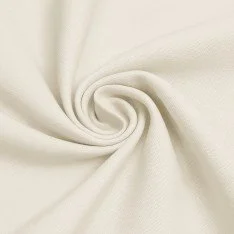
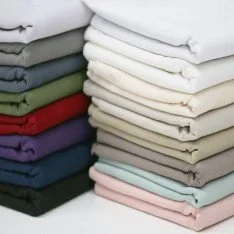
≥ 100 Metre roll price € 5.50 € 4.00 Excl. Tax.
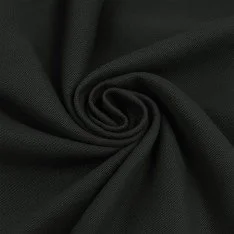
≥ 100 Metre roll price € 5.50 € 4.00 Excl. Tax.
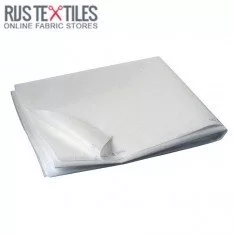
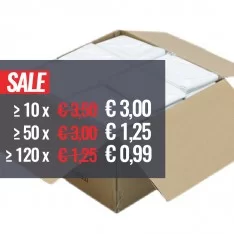
≥ 50# € 1.25 Incl. Tax.
≥ 100# € 0.99 Incl. Tax.
Wholesale prices for this item are directly being applied. Intra-community supply? Register with your VAT number and Select "Wholesale quotation" as payment option.
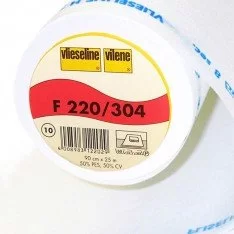
Wholesale prices for this item are directly being applied. Intra-community supply? Register with your VAT number and Select "Wholesale quotation" as payment option.
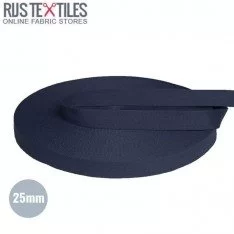
≥ 100 Metre roll price € 5.50 € 4.00 Excl. Tax.