What Is Vegan Leather? A Real Fabric Guide
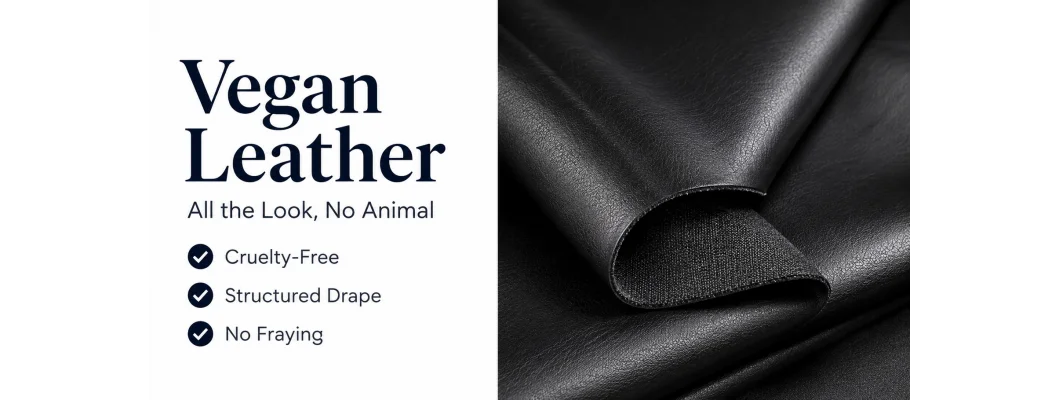
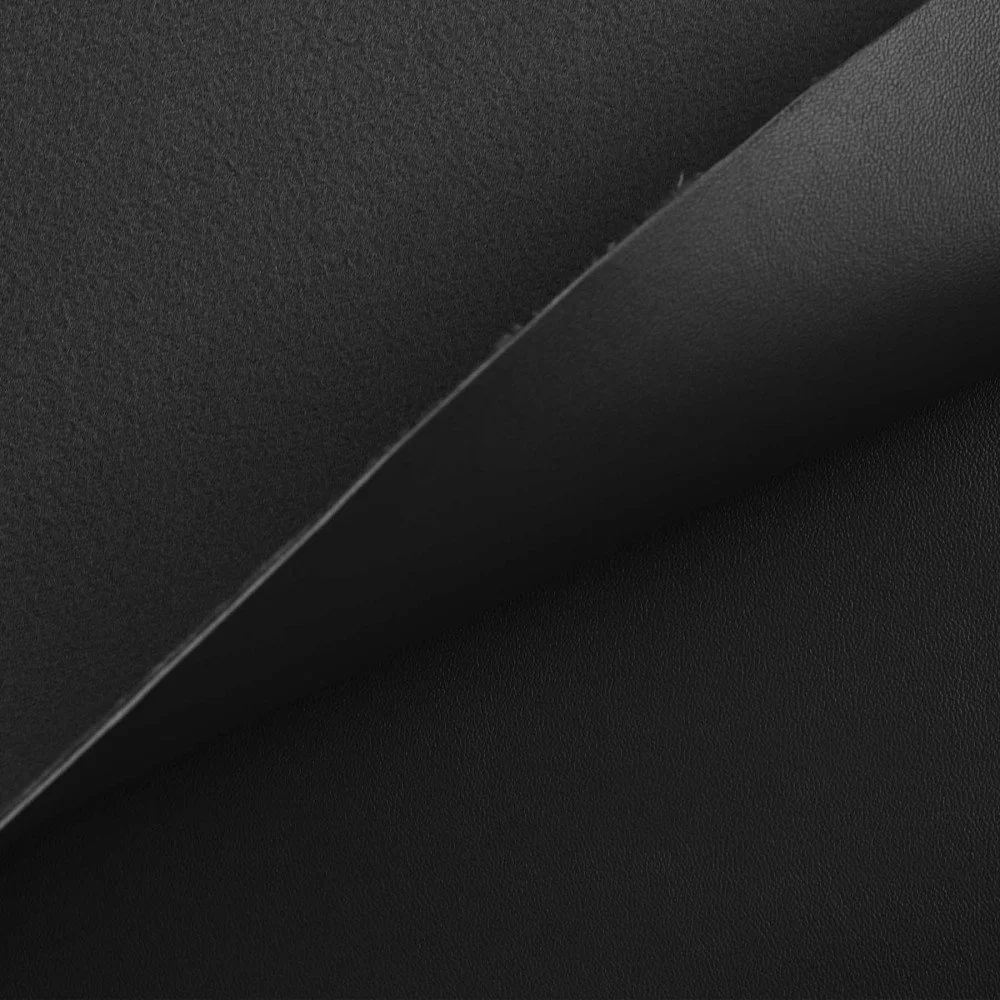
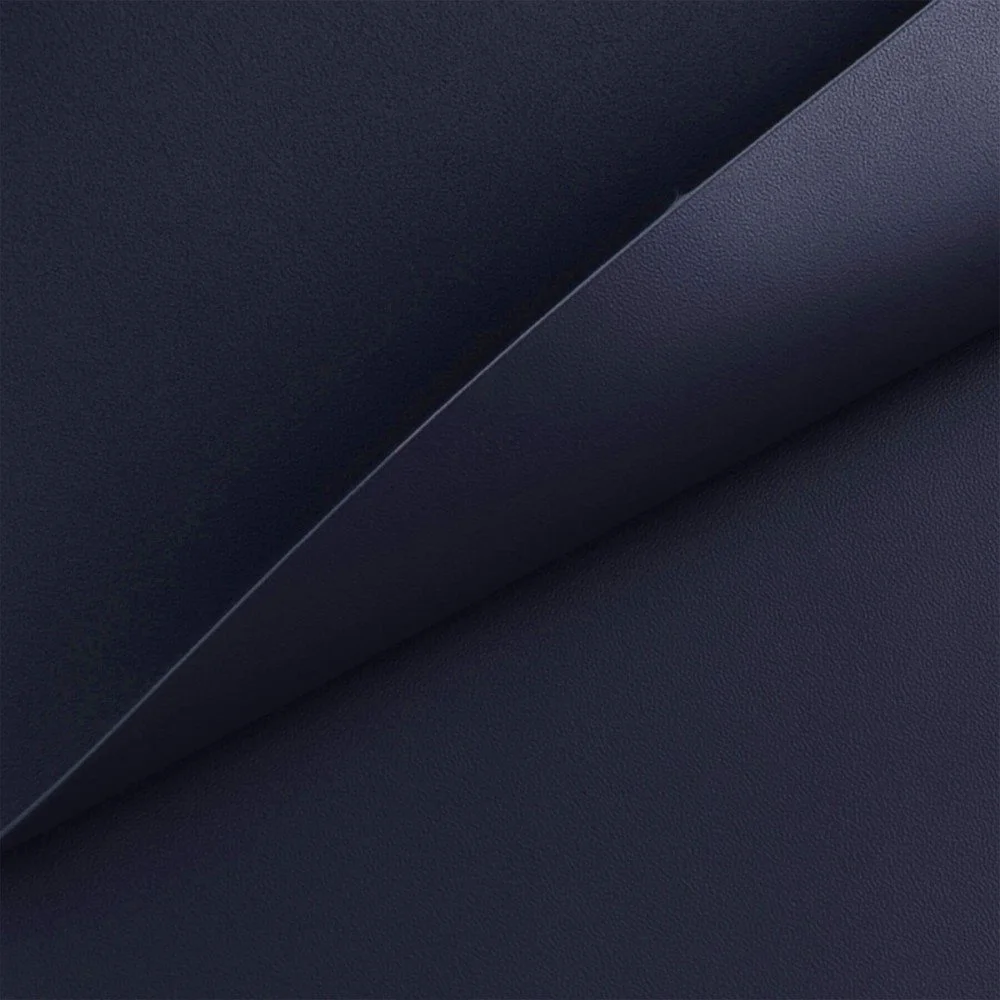
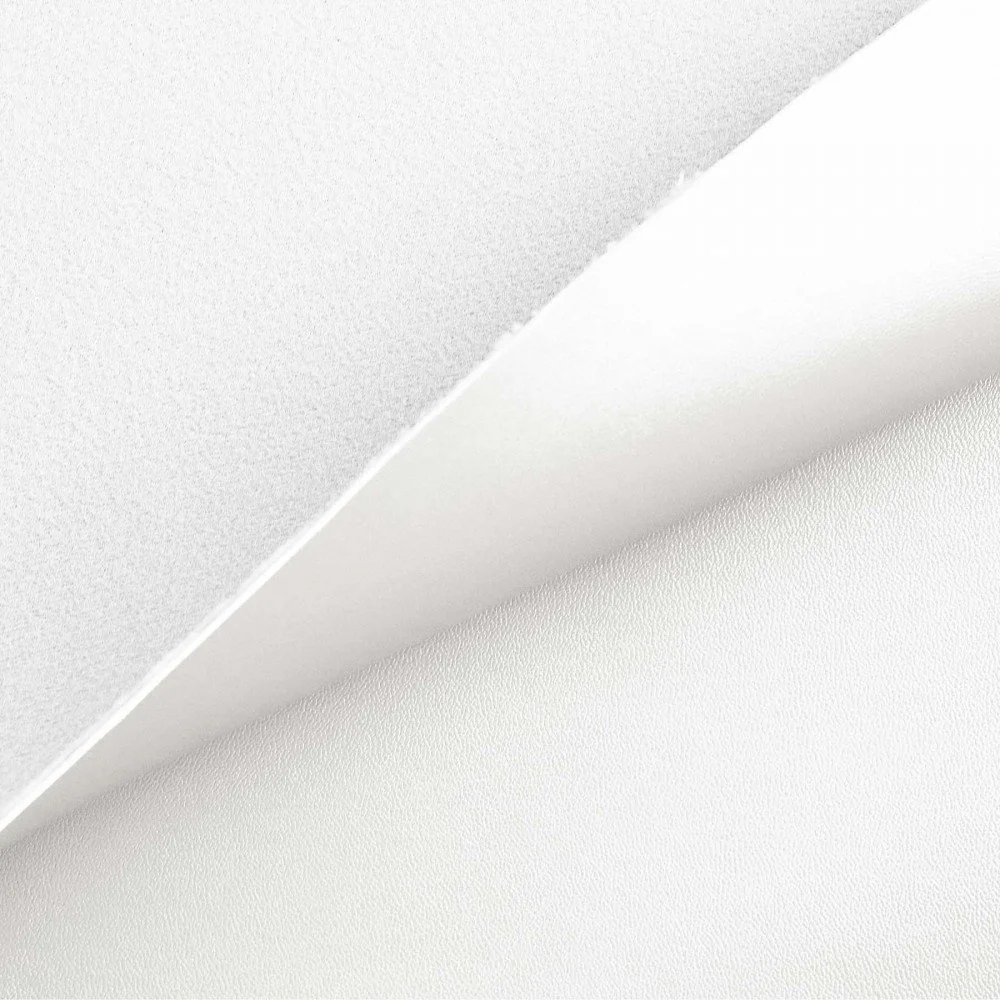
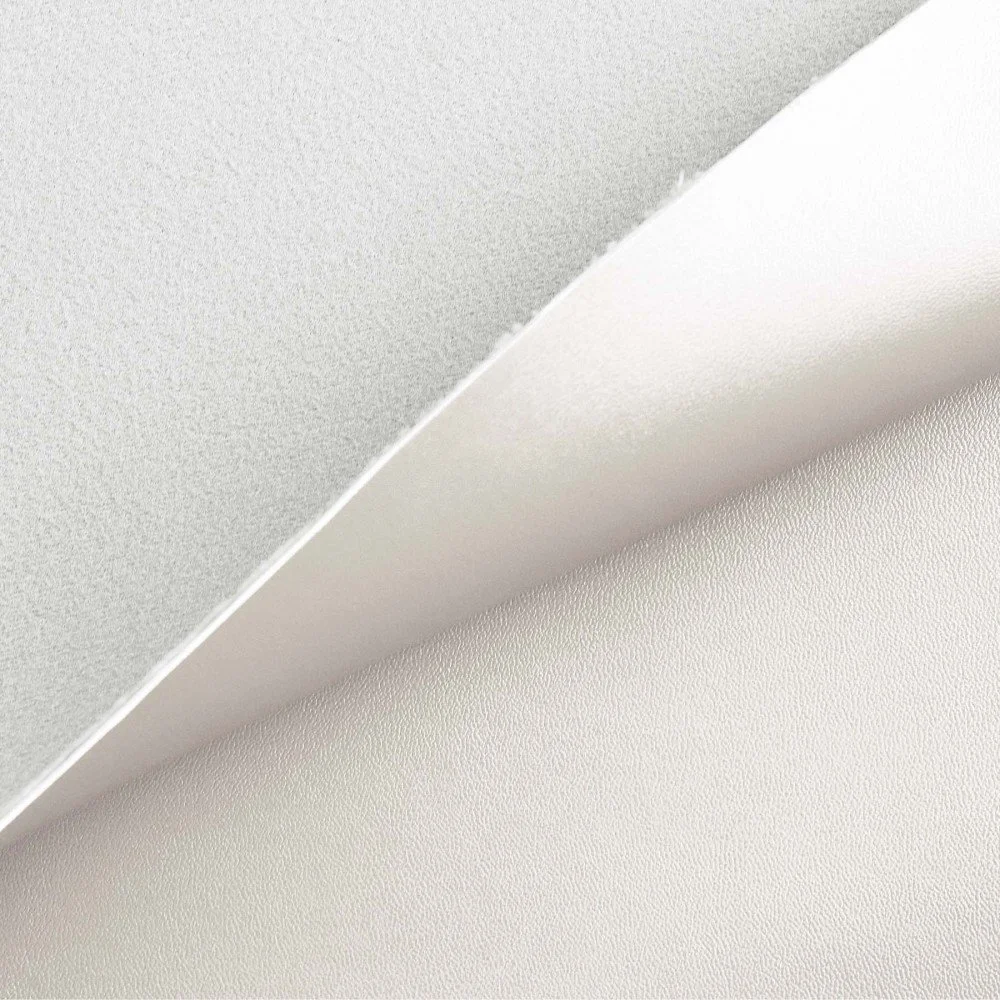
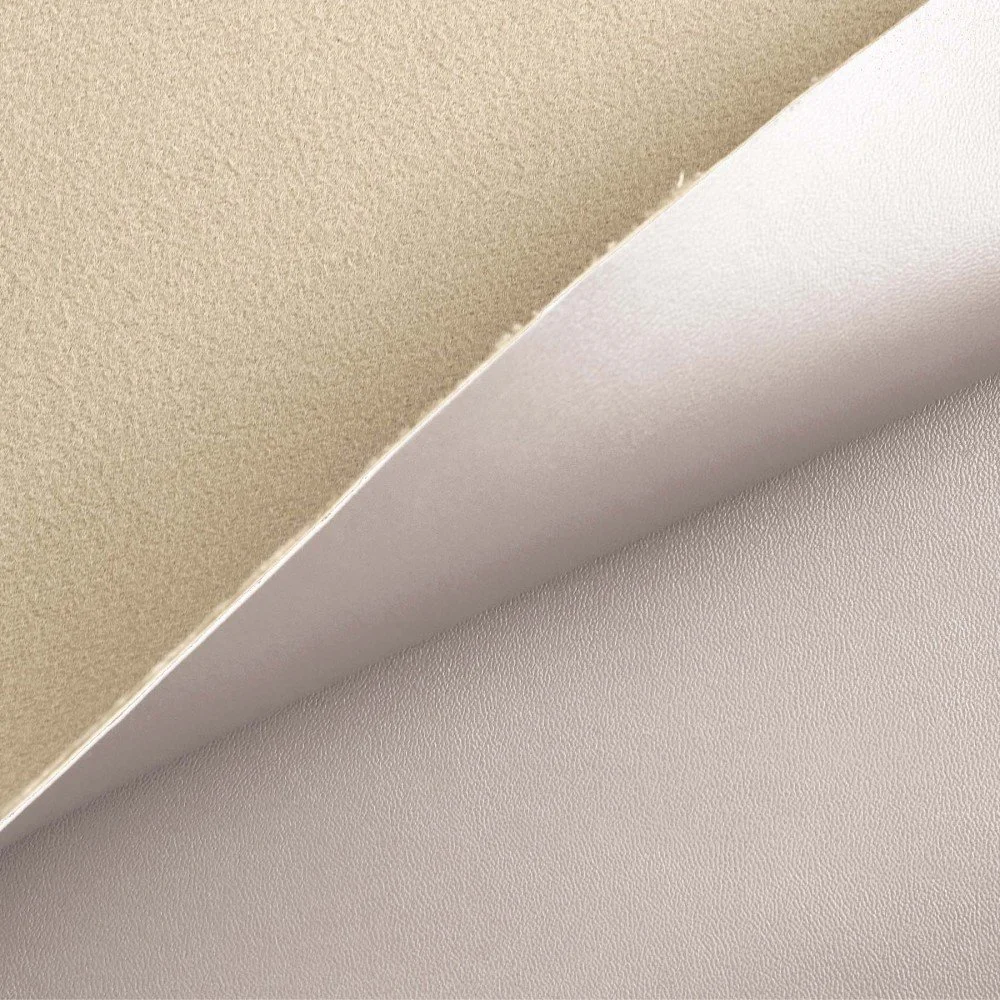
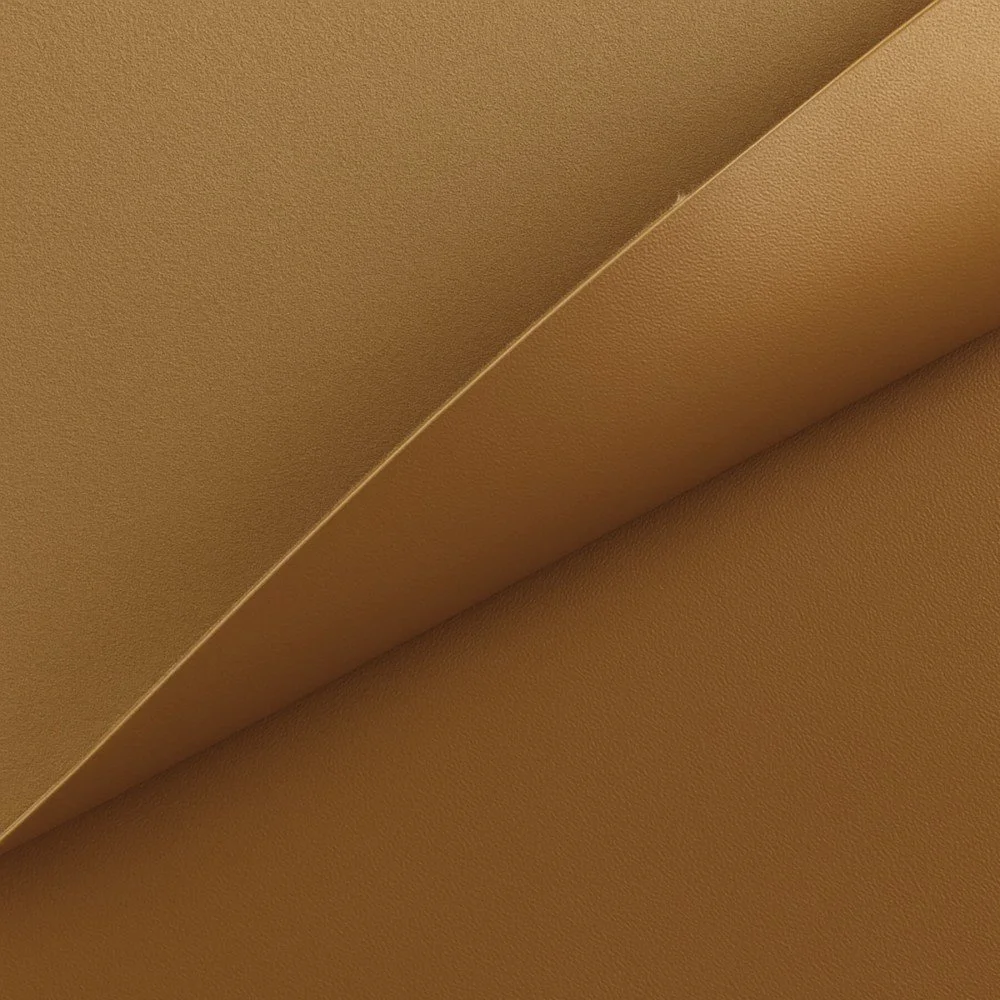
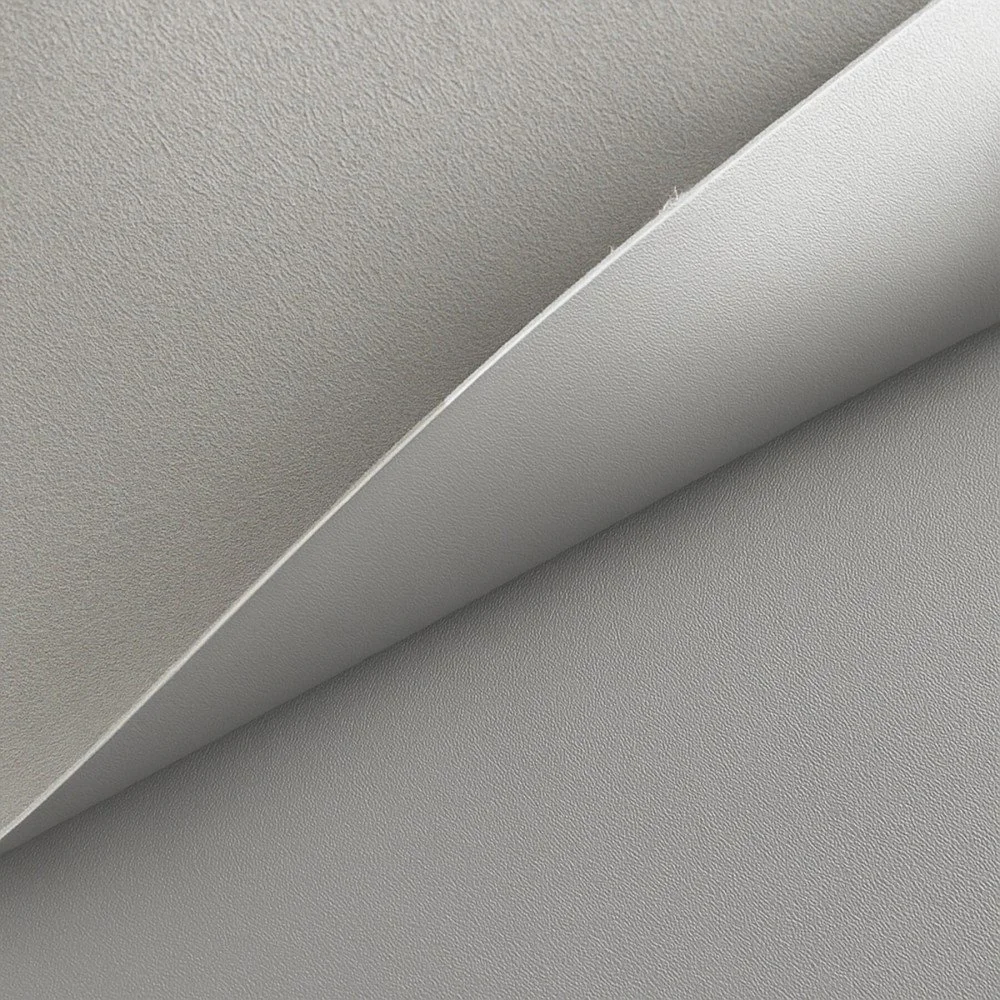
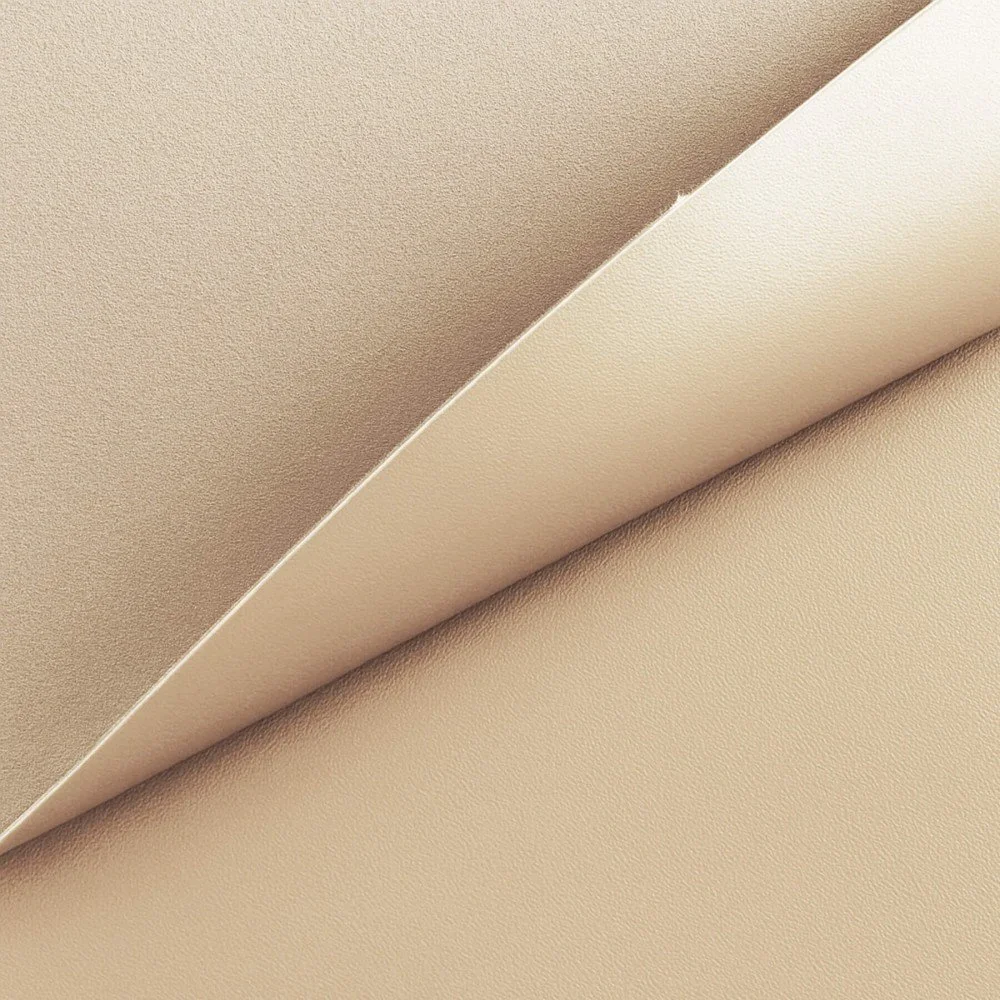
Run your hand across a roll of vegan leather and you notice it right away: that faint tacky grip against your fingertips, the way it doesn't breathe like woven cotton, the slight sheen catching the light depending on the angle. Fold a corner and it holds the crease for a second before slowly relaxing back. It has weight to it too, a substantial drape that feels closer to a jacket fabric than a dress fabric. Roll it out on the cutting table and it lies flat almost immediately, no static cling, no shifting around like jersey fabrics tend to do.
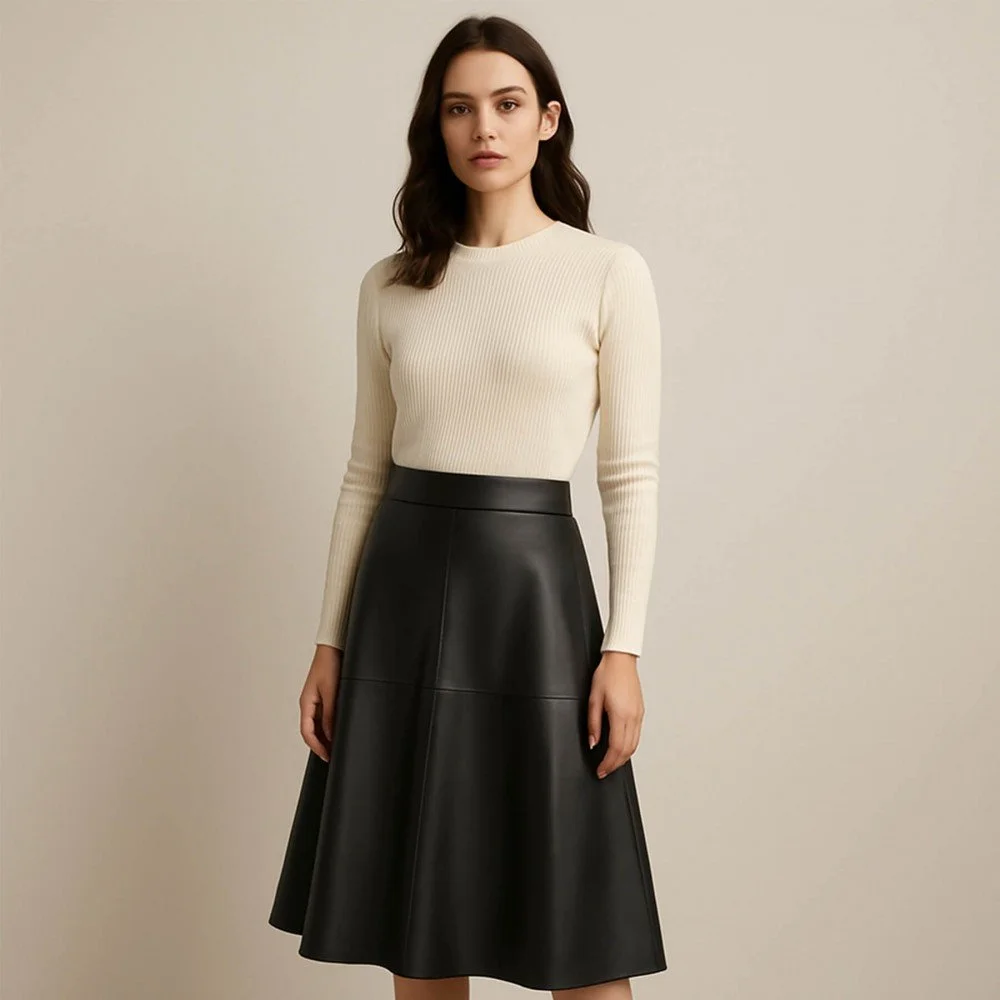
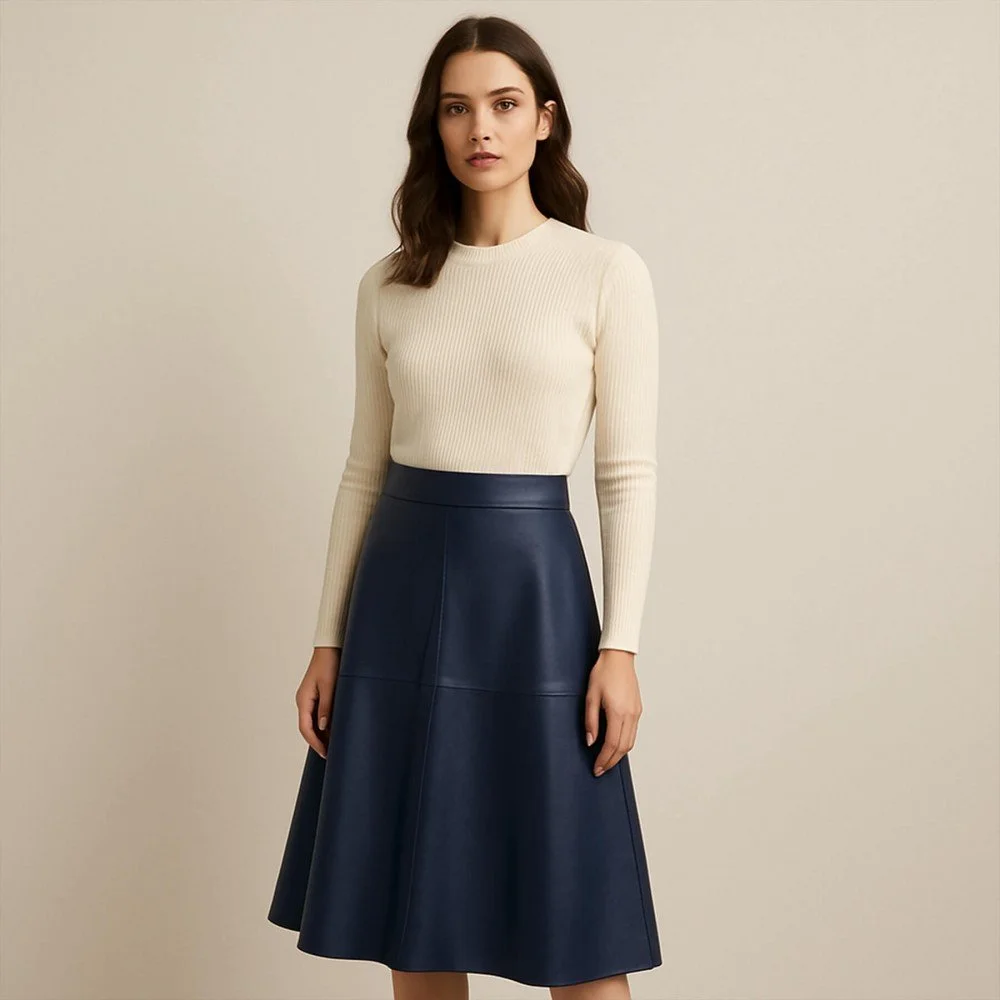
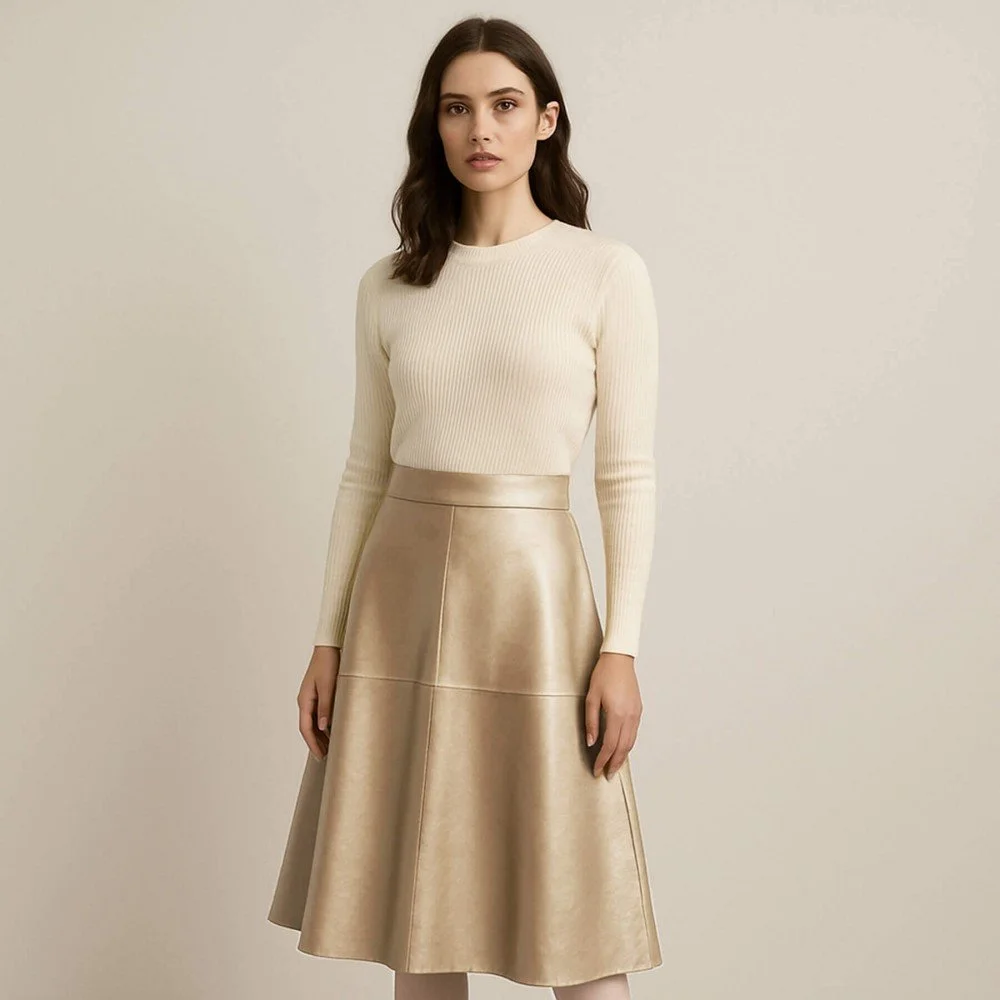
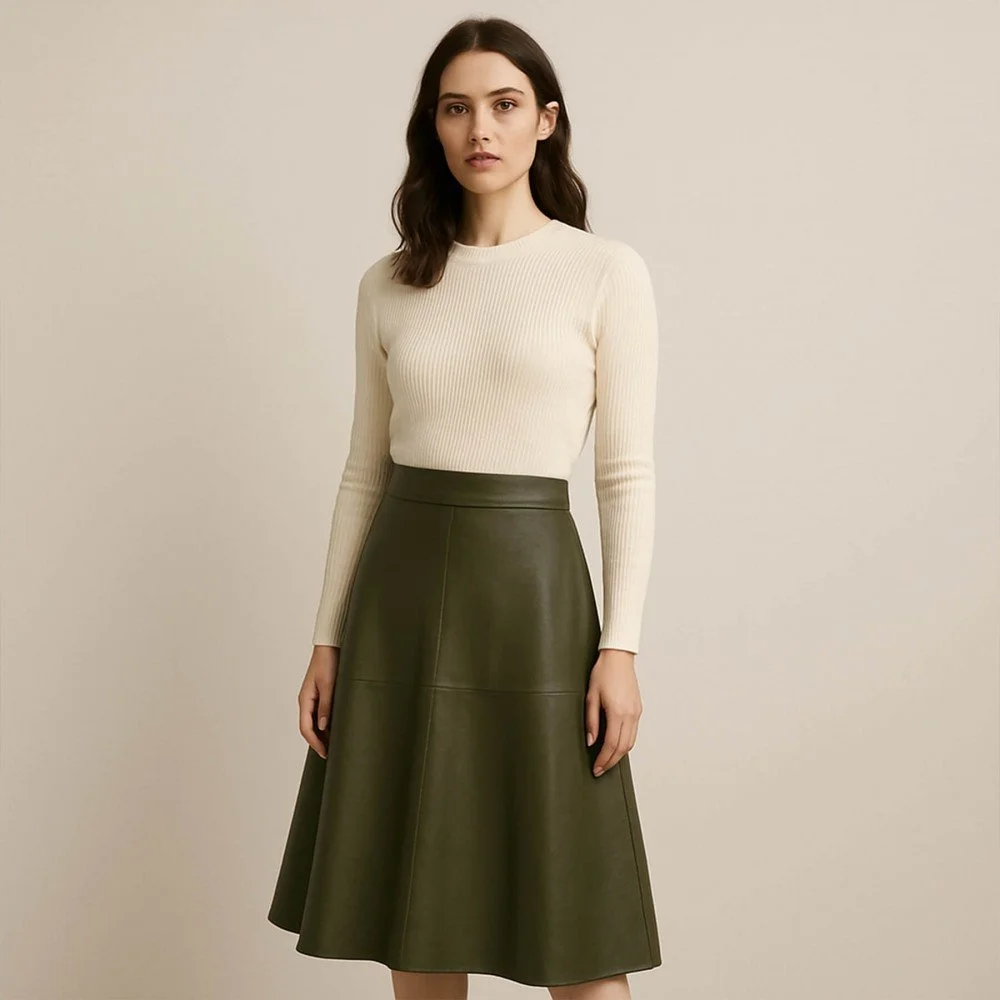
It's not leather at all, obviously, but it mimics the look convincingly enough that people touch it twice to check. That's the whole point of it. Vegan leather is a manufactured textile built to give you the visual punch of animal hide without the hide part, and it's become a genuine category of its own rather than just a cheap stand-in. Sewists use it for jackets, bags, skirts, trim details, even upholstery accents. It sits in its own lane next to fashion fabrics, and once you understand what's actually going on in its construction, you'll know exactly when to reach for it.
What Vegan Leather Actually Is
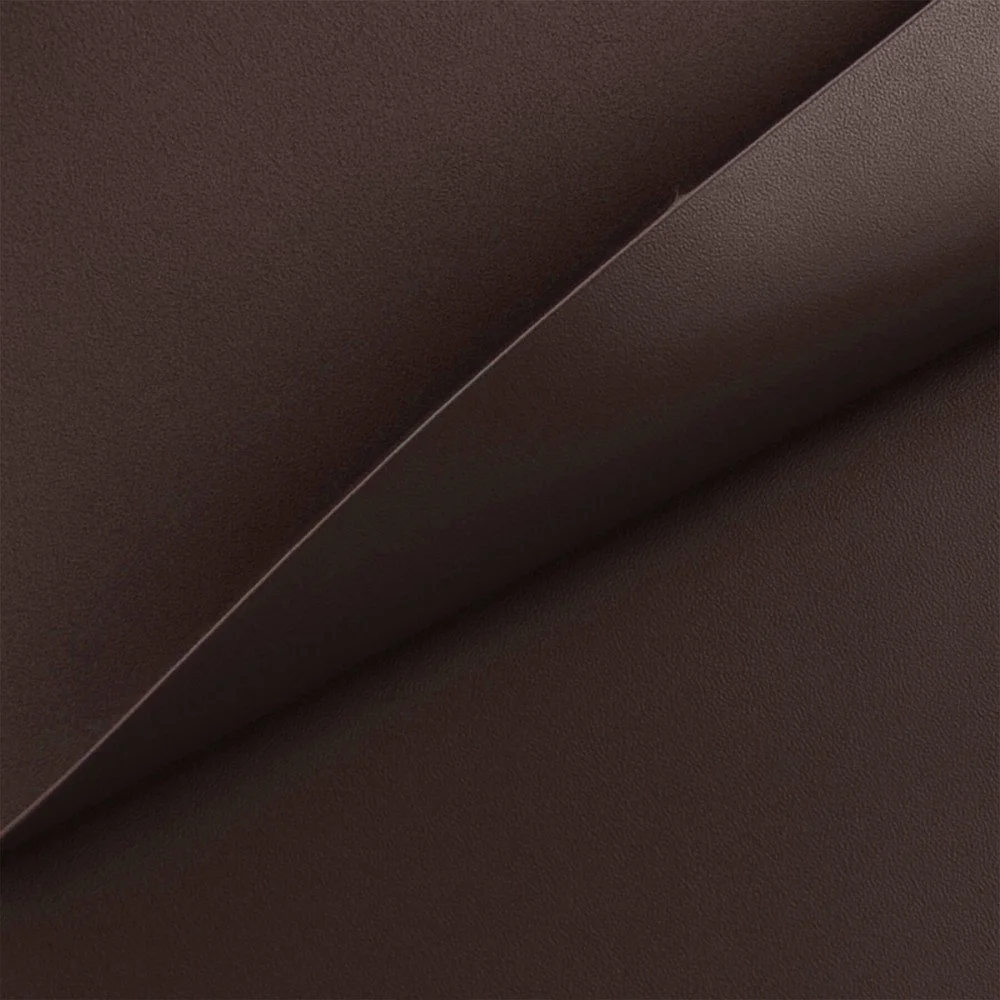
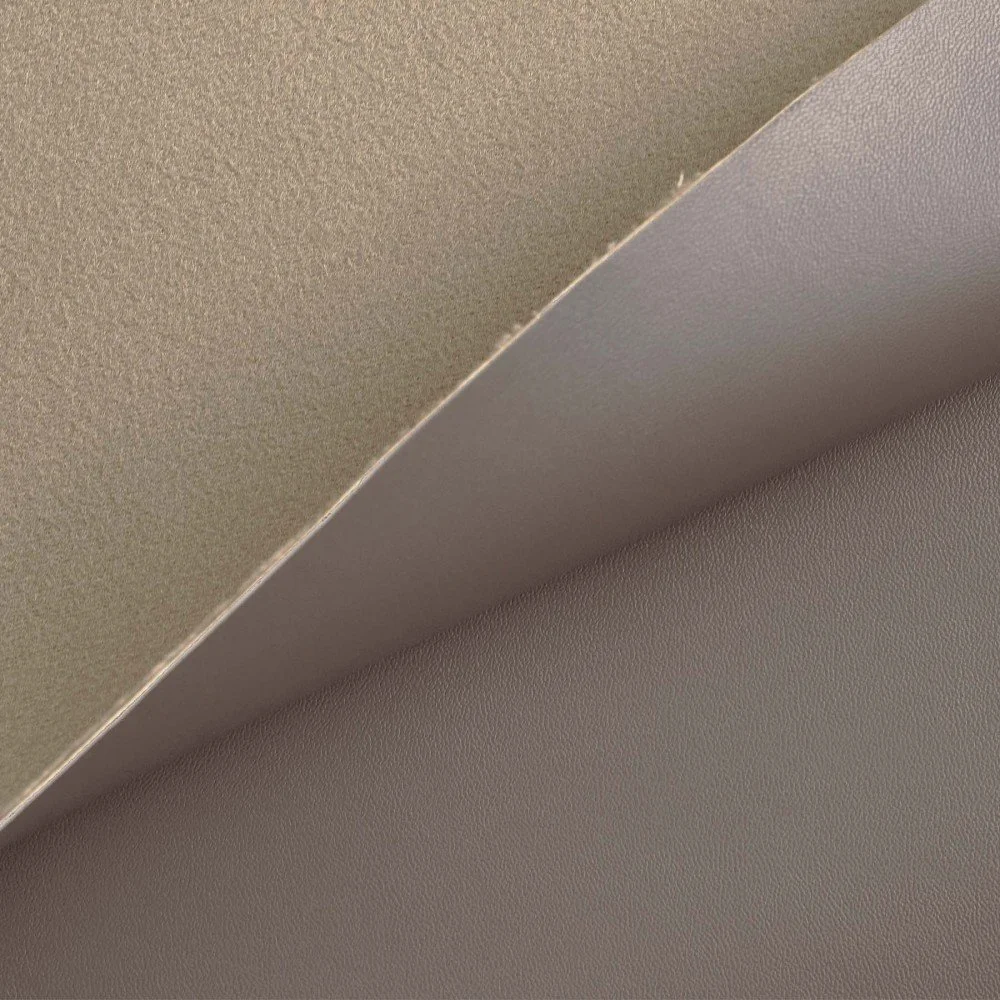
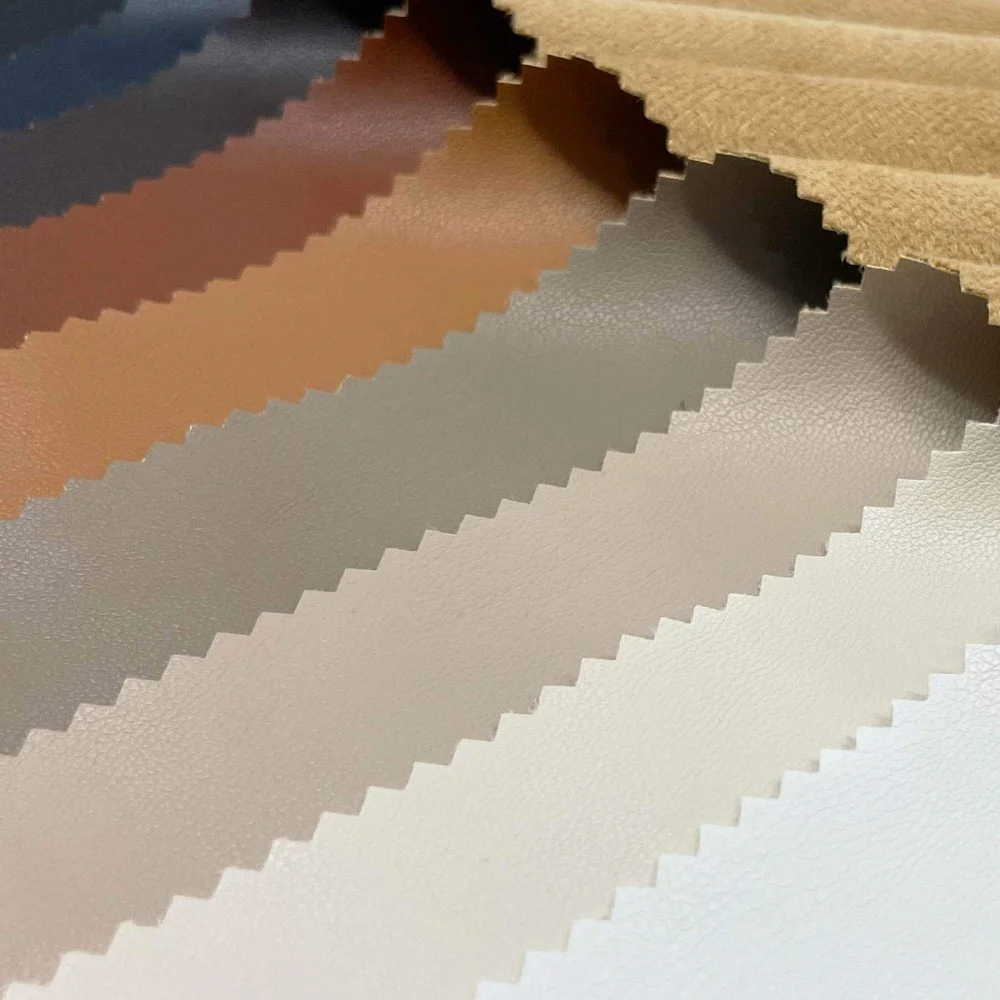
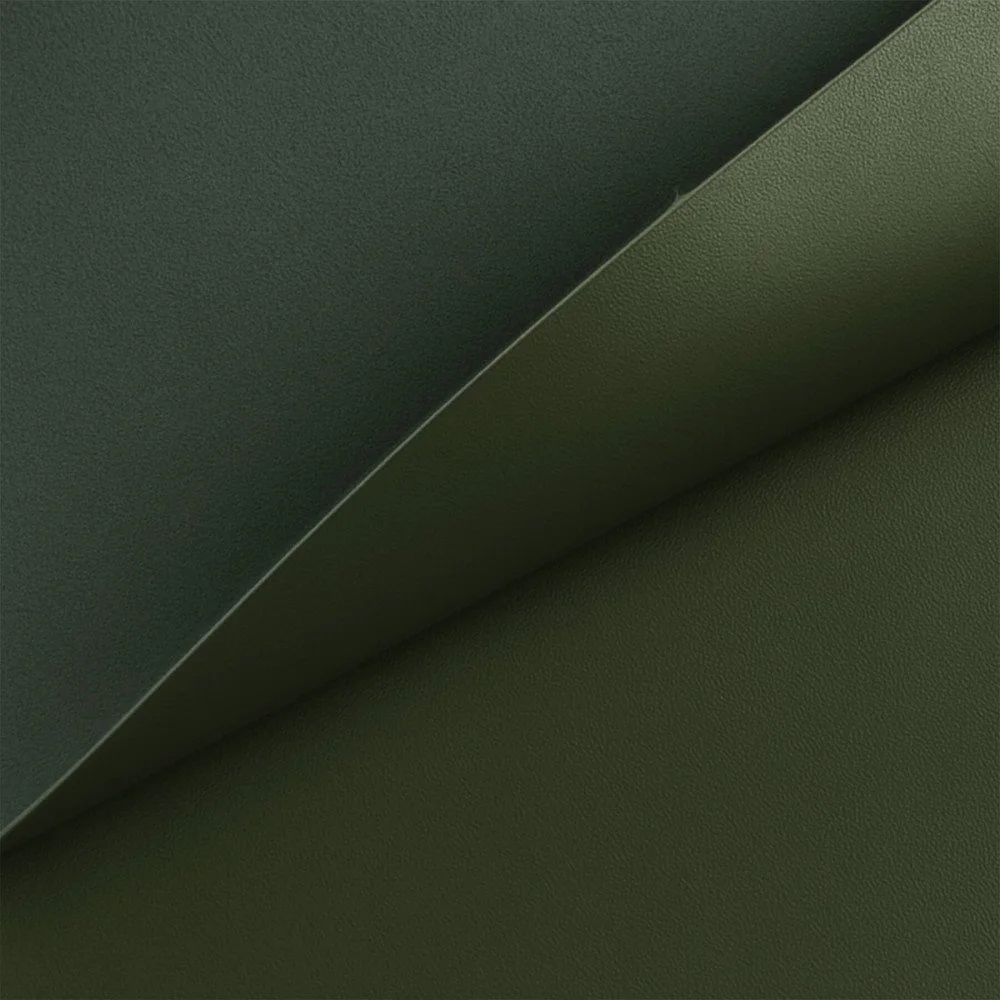
Vegan leather is a coated fabric. You've got a base layer, usually a woven or knit backing, and on top of that a polymer coating that gets textured and finished to look like grain leather. The version we carry has a front made from 100% polyurethane bonded to a 100% polyester backing, weighing in around 240 grams per square metre and coming in a 140 cm width. That polyester backing is doing important structural work: it gives the fabric its stability and stops it from stretching out of shape when you're sewing curves or topstitching.
The polyurethane front is what creates that leather look and feel. It's flexible enough to bend around a collar or a bag flap without cracking, but it doesn't stretch the way a knit does. That's an important distinction if you're used to working with stretch fabrics. Vegan leather behaves more like a stiff woven than anything with give in it, so pattern pieces need to be cut with that in mind rather than relying on any stretch to ease a fit.
Where Vegan Leather Fits Next to Other Fabrics
Compared to Woven Fashion Fabrics
Standard woven fabrics breathe, drape softly, and fray at a cut edge. Vegan leather does none of that. It's opaque, doesn't fray, and holds its shape rather than draping fluidly. If you're coming from sewing wovens, the biggest adjustment is letting go of the idea that the fabric will ease or gather the way cotton or viscose does.
Compared to Jersey and Stretch Knits
Anyone used to cotton jersey fabric or a scuba crepe jersey fabric will notice vegan leather has zero stretch recovery to lean on. There's no forgiving bounce back if you cut a pattern too snug. Patterns meant for stretch fabrics like rib knit jersey fabric need real adjustment before they'll work in vegan leather, usually adding ease at the seams.
Compared to Heavier Textured Fabrics
People sometimes ask how vegan leather compares to something like teddy fleece fabric in terms of handling weight. Both have body and hold their shape, but the similarities stop there. Teddy fleece is soft and pliable through and through, while vegan leather has that firm coated surface that needs a different needle and a different seam approach entirely.
How to Actually Sew It
- Use paper clips or clothes pegs instead of pins. Pin holes are permanent in coated fabric, so pinning within the seam allowance is your safest bet if you need to pin at all.
- Lengthen your stitch slightly. A too-short stitch perforates the coating like a row of tiny holes you can't undo.
- Go slow around curves and corners. The polyurethane front can stretch slightly under tension from the machine foot, and rushing causes puckering.
- Use a walking foot or a Teflon foot if your machine has one. A regular foot can drag on the coated surface and cause uneven feeding.
- Press with a cool iron or better yet, finger press and use a seam roller. Direct heat can melt or warp the polyurethane surface.
- Topstitch generously. It's not just decorative, it flattens seam allowances that won't press the normal way.
Choosing Vegan Leather for Your Project
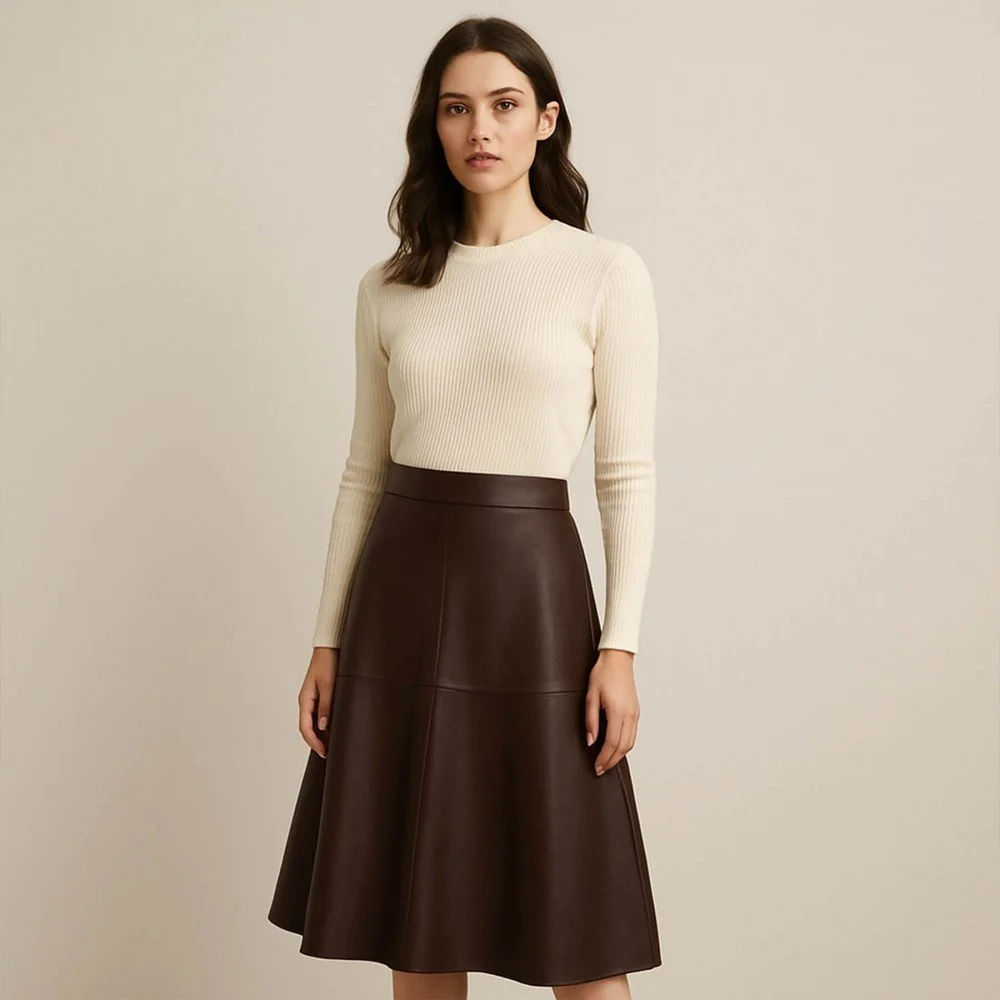
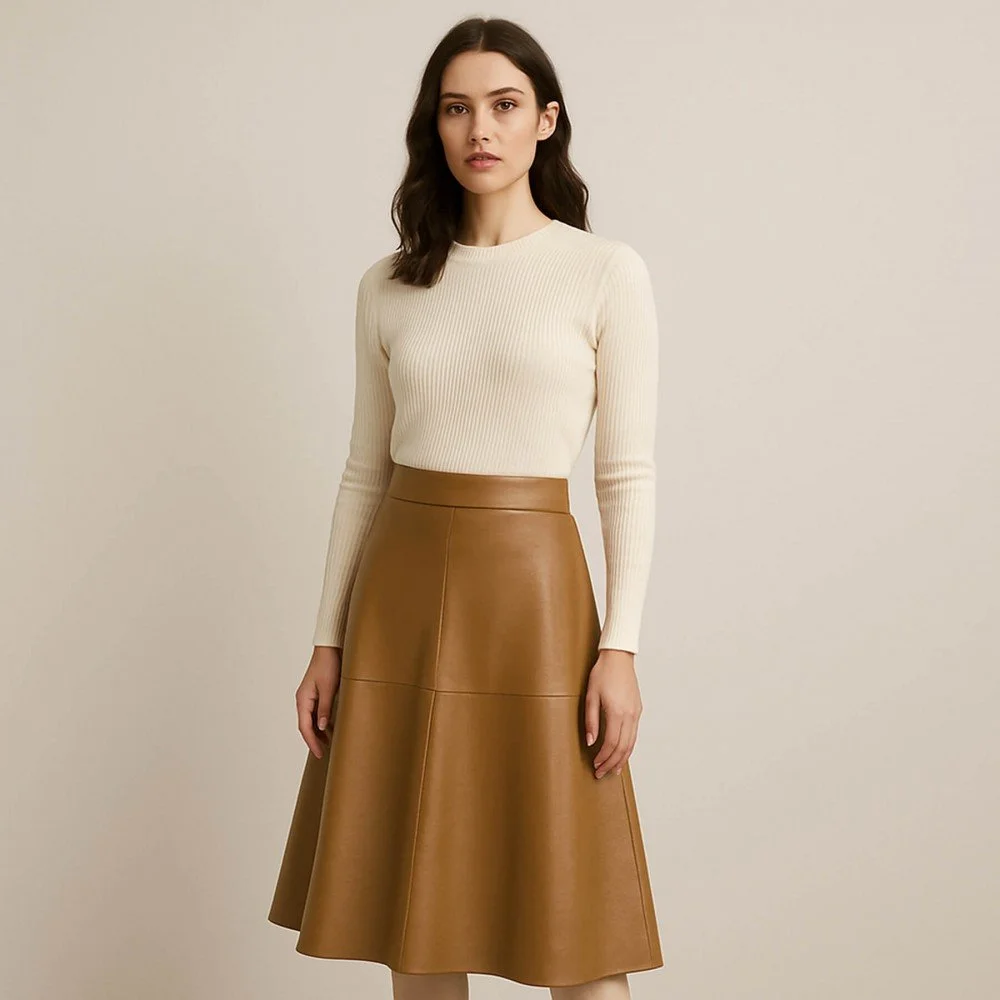
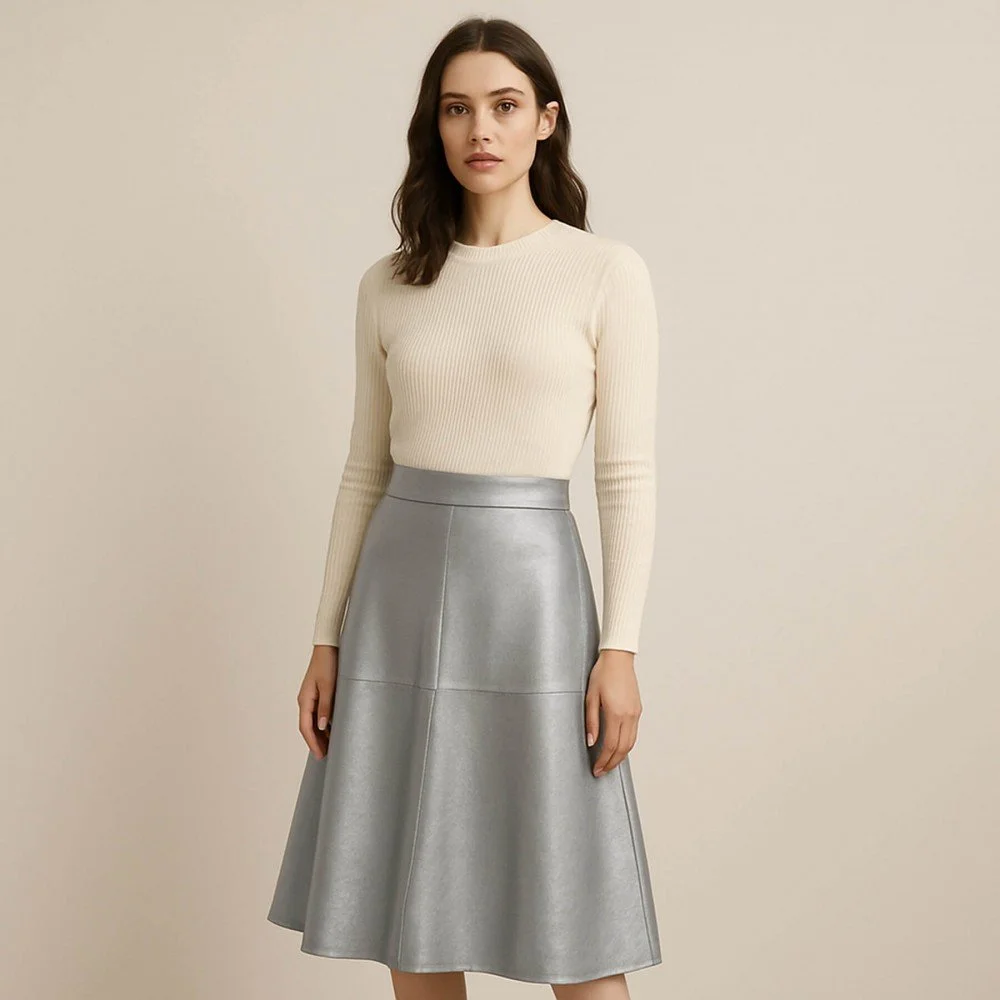
Think about the shape you're making before anything else. Structured pieces like jacket collars, bag panels, or skirt yokes work with vegan leather because the fabric itself already wants to hold a shape. Fitted, curve-hugging garments are harder, since there's no stretch to help the fit along.
Also think about how much handling the piece will get. A bag or a pair of trim details will get pulled, gripped, and rubbed constantly, so a firmer coated fabric with a stable backing like this polyester-backed option makes sense there. If you're after something with a softer hand and more drape for a flowier piece, you're better off looking at linen fabrics or a viscose jersey fabric instead, and saving the vegan leather for accent panels or trims.
Wrapping It Up
Vegan leather earns its spot in a fabric stash because it does something no woven or knit can replicate: that structured, grainy leather look without sourcing actual hide. Once you get used to the paper clips instead of pins and the slightly longer stitch length, it sews up predictably and holds its shape for years. Have a look through our new fabrics section if you want to see what's currently in stock alongside it.
FAQ
Is vegan leather the same as PU leather?
Yes, in most cases. PU leather refers to the polyurethane coating itself, and that's exactly what forms the front surface of the vegan leather we carry, backed with polyester for stability.
Does vegan leather stretch?
No. It's built without stretch, so pattern pieces need to be cut with a bit of extra ease rather than relying on any give in the fabric during fitting.
Can I wash vegan leather?
Wiping it down with a damp cloth is generally safer than machine washing, since repeated washing can dull the coated surface over time. Spot clean where you can.
What needle should I use for vegan leather?
A leather or denim needle handles the coated surface better than a standard universal needle, punching through cleanly without dragging the polyurethane layer.