What Is Interlock Fabric? A Sewist's Guide to This Smooth Double-Knit
You've got the pattern pinned to your cutting mat, scissors in hand, and then it hits you: the pattern calls for interlock and you're staring at a stack of jersey fabrics wondering if any of them will actually do the job. Not quite the same thing, and that little pause before cutting is exactly the moment I want to catch you in.
Interlock fabric is one of those knits that gets lumped in with jersey all the time, but once you feel it in your hands, you'll understand why it deserves its own spot in your stash. It's thicker, it's smoother on both sides, and it behaves completely differently under your needle. Let's get into what makes it tick.
What exactly is interlock fabric, and why does it feel so different?
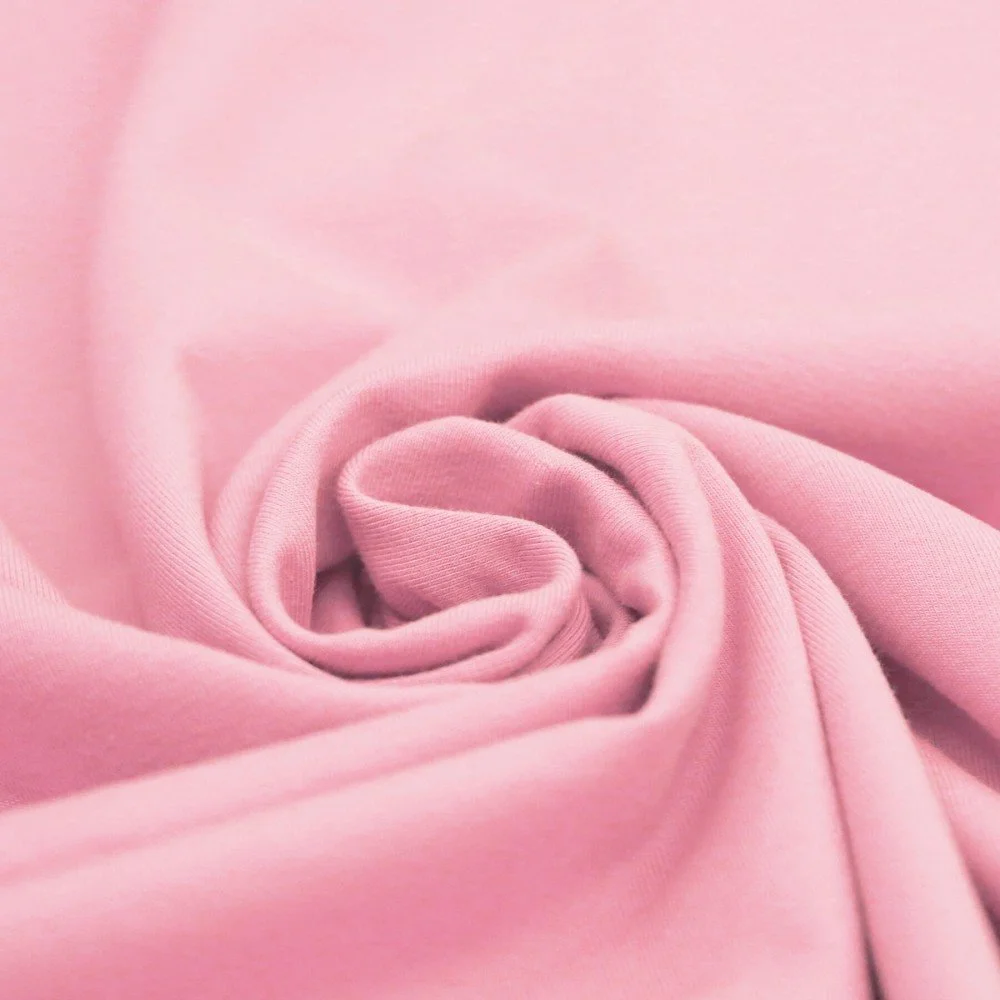
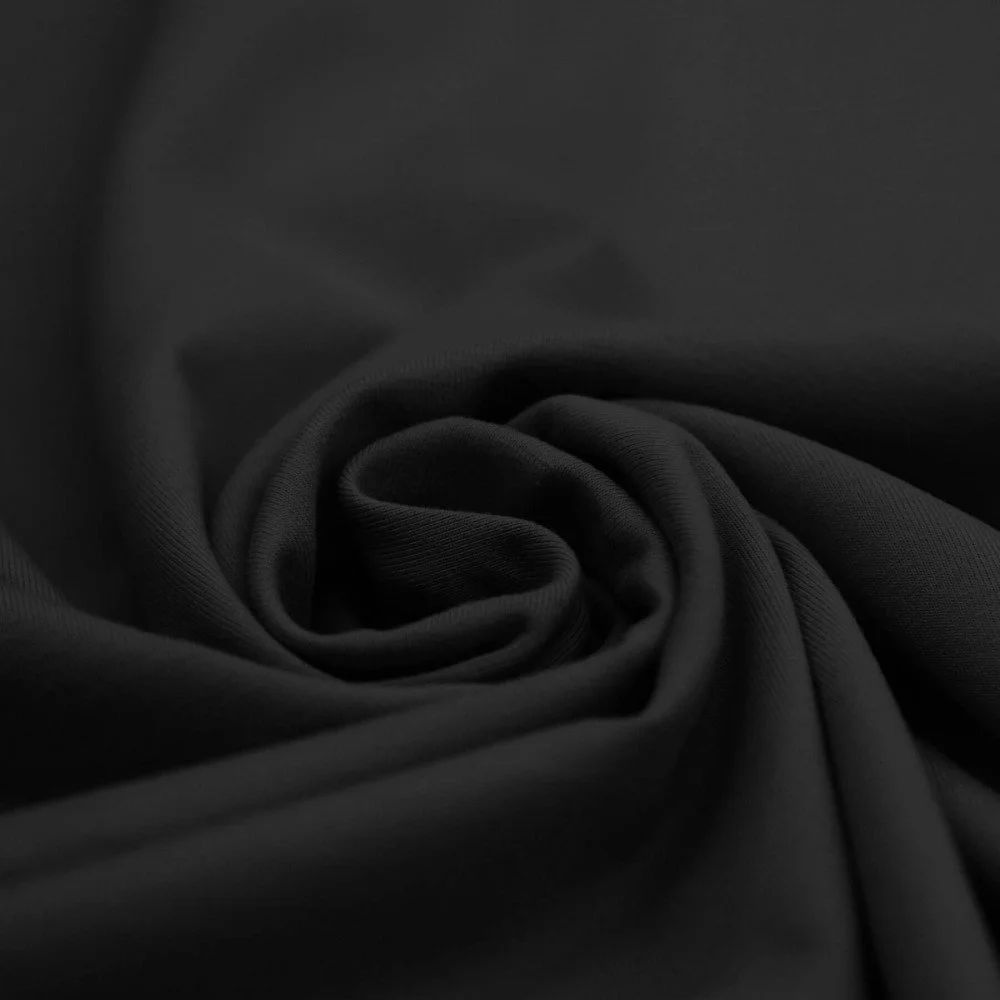
Interlock is a double-knit fabric, meaning it's essentially two layers of single jersey knit together on one machine, interlocking their loops so tightly that you can't tell which side is the "right" side. That's the biggest giveaway when you're trying to identify it: flip it over, and both sides look and feel identical. Compare that to regular jersey, which has that obvious ribbed back and smoother front.
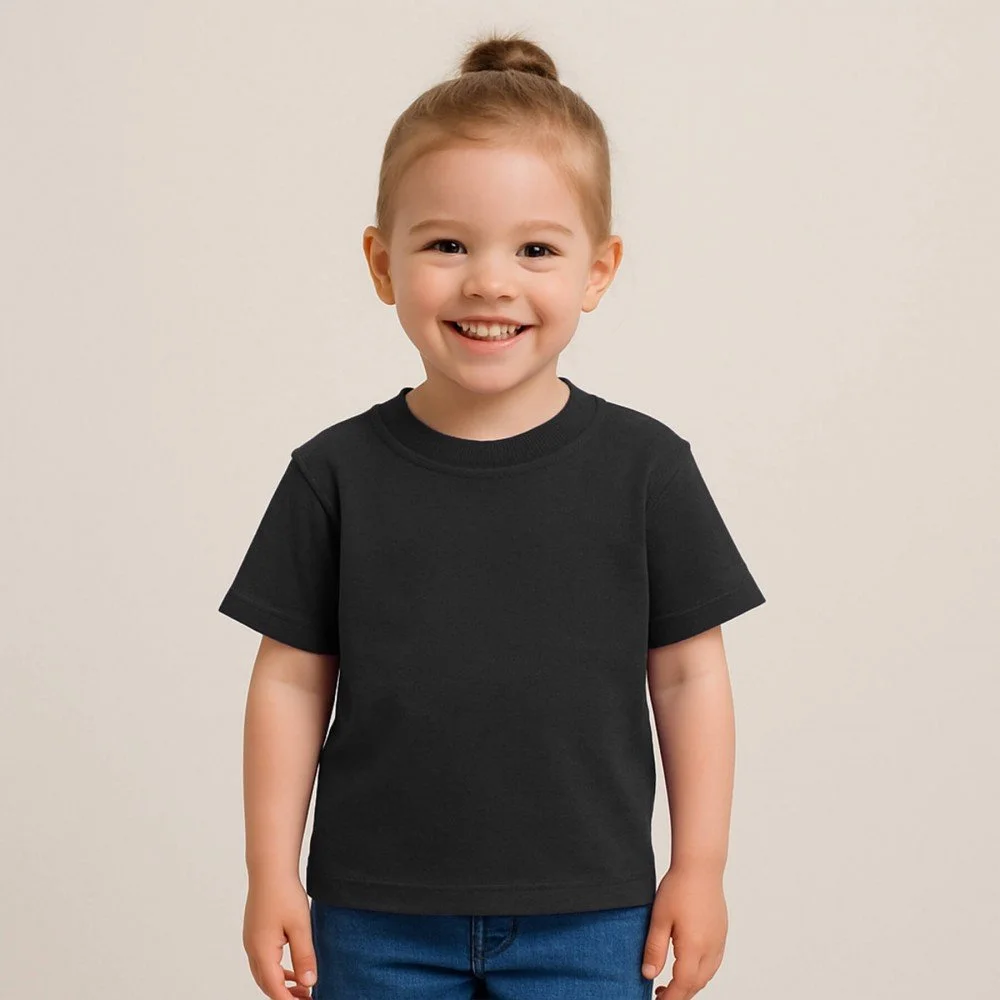
Because of this double-layer construction, interlock is heavier, more stable, and doesn't curl at the edges the way single jersey does. It still stretches, usually in both directions, but it recovers its shape better and drapes with more body. Sewists love it for garments that need a bit more structure without losing that knit comfort - think polished t-shirts, dresses that need to hold their line, or baby clothes where you want something soft but not flimsy.
The different faces of interlock and its knit cousins
Interlock isn't a one-size-fits-all fabric, and once you start exploring the wider family of knits, you'll find plenty of relatives that solve different problems in your sewing projects.
Cotton jersey fabric
This is the lighter, single-knit cousin of interlock. It breathes beautifully and drapes softly, which makes it the go-to for everyday t-shirts and loungewear, but it curls at raw edges and needs a bit more care during construction than its heavier double-knit relative.
Rib knit jersey fabric
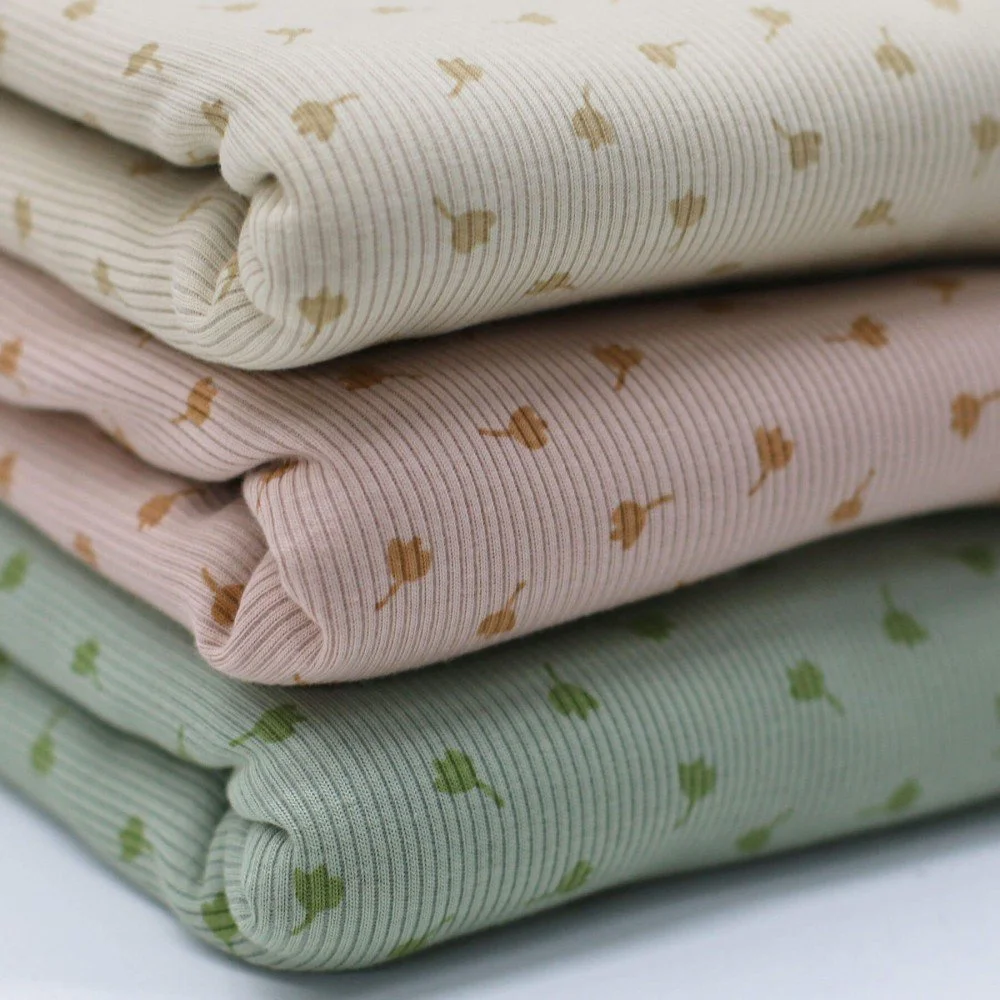
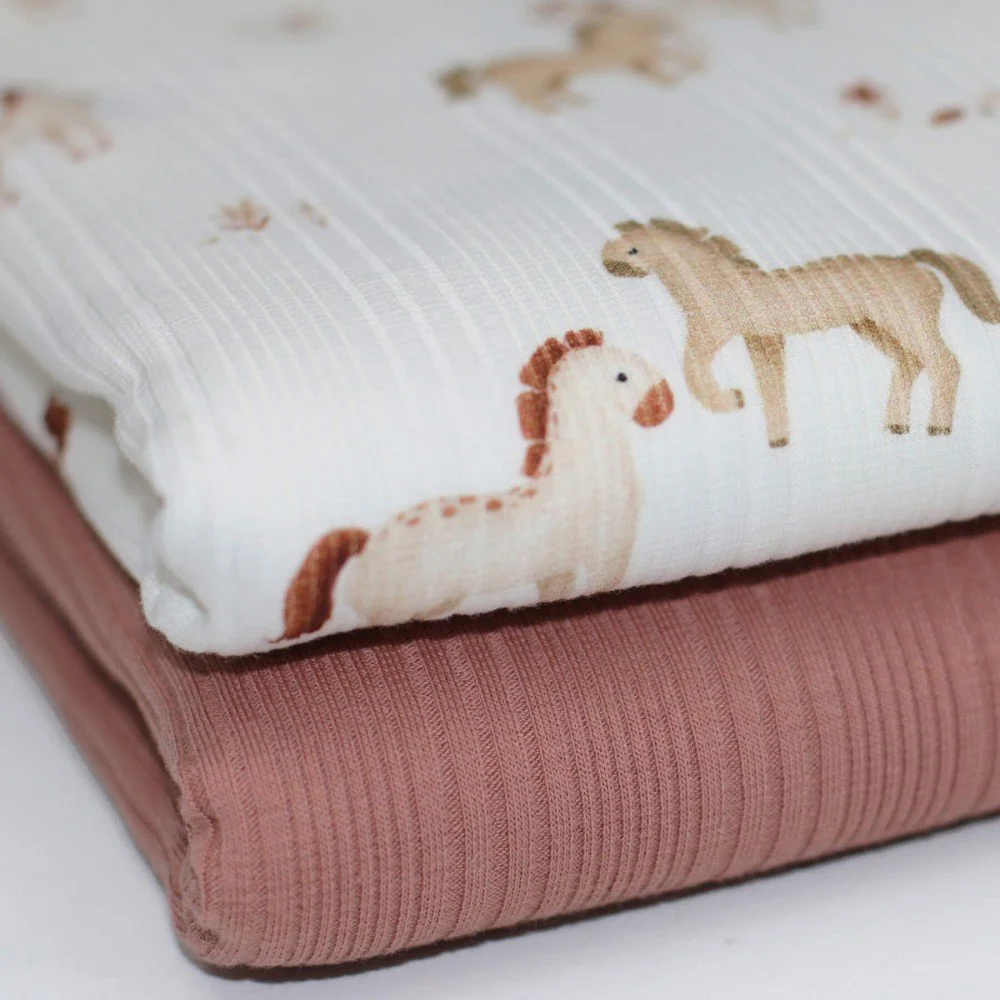
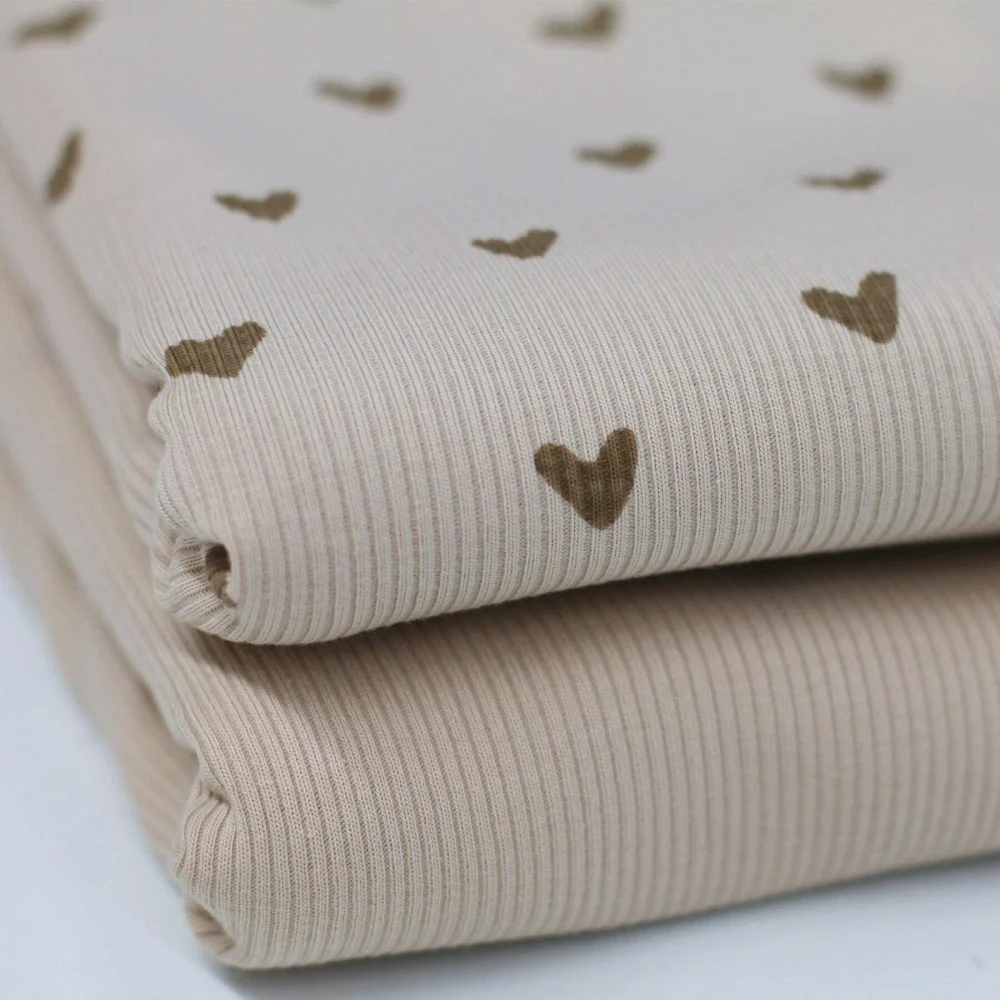
You'll recognise this one by its raised vertical lines and serious stretch recovery. It's the fabric behind every cuff, neckband, and fitted bodysuit you've ever loved, and it pairs naturally with interlock when you want contrast in texture within one garment.
French terry fabric
French terry shares that double-sided sturdiness with interlock, but it adds looped or brushed texture on the back. It's the fabric I reach for when a client wants a hoodie that feels cosy but still hangs nicely, rather than something bulky like a heavier fleece fabrics option.
Punta di Milano fabric
This is interlock's more refined sibling, finer, denser, and often used in tailored knit garments like blazers and structured dresses. If you want the smoothness of interlock but with a crisper hand, this is worth swatching.
Scuba crepe jersey fabric
Thicker again, and with a spongier feel, scuba crepe takes the double-knit idea even further. It's brilliant for structured shapes like peplums or fitted skirts that need to hold a silhouette without any boning or interfacing.
Practical tips for sewing with interlock
- Use a ballpoint or stretch needle, a sharp needle will pierce and damage the loops instead of sliding between them.
- Stitch with a narrow zigzag or your machine's stretch stitch, straight stitches will pop when the fabric stretches.
- A walking foot helps enormously since interlock is thicker and can shift under a standard presser foot.
- Because it doesn't curl, you can skip some of the pinning gymnastics you'd normally do with jersey - it behaves nicely on the cutting table.
- Test your tension on a scrap first, the double layer sometimes needs a slightly looser top tension than single jersey.
- Finish seams with a serger if you have one, but a zigzag works fine too since interlock doesn't fray.
How do you choose between interlock and other knits?
Ask yourself what the garment needs to do. If you want something with real body and a clean finish on both sides, like a polished top or a baby garment that needs to survive a lot of washing, interlock is your friend. If you're after drape and lightness, reach for single jersey instead. Need texture? Look at waffle knit jersey fabric or pointelle fabric for something with visual interest built right into the knit structure.
And if the project calls for warmth over stretch, that's when I'd point you toward teddy fleece fabric or polar fleece fabric instead, interlock is knit-comfortable, not winter-coat warm.
So, is interlock the right call for your next project?
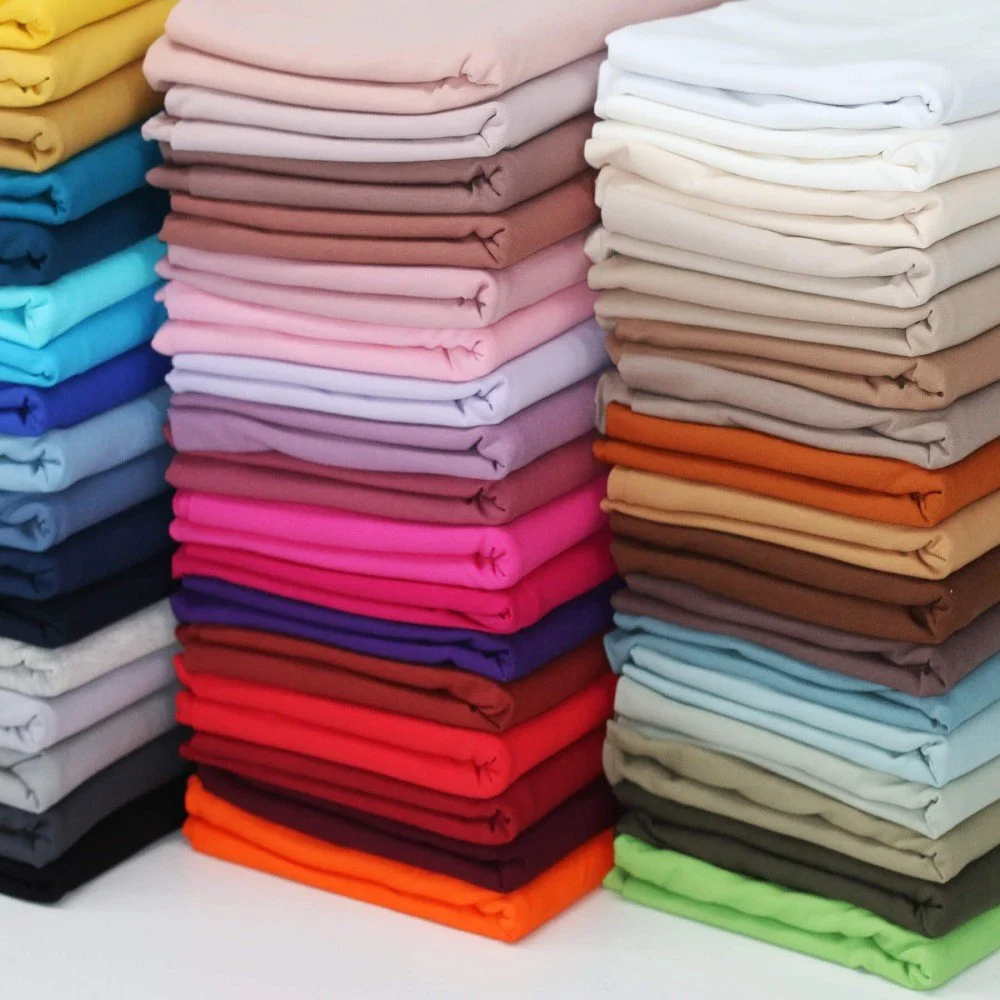
Interlock earns its place in your fabric stash the moment you sew something that needs to look tidy from every angle, a reversible collar, a baby blanket, a dress without visible seam allowances showing through. It's forgiving to work with, holds its shape, and just feels good in your hands while you sew. Have a browse through our full range of jersey fabrics and see how interlock compares side by side with its knit relatives, you'll quickly feel the difference the moment you touch both.
FAQ
Is interlock the same as jersey?
No, though they're related. Jersey is a single knit with a distinct front and back, while interlock is a double knit where both sides look and feel the same. Interlock is thicker, more stable, and doesn't curl at the edges like jersey does.
Does interlock fabric shrink?
It can shrink slightly, especially cotton-based interlock, so I always recommend pre-washing your fabric the same way you plan to wash the finished garment before you even start cutting.
What can I sew with interlock fabric?
It's brilliant for t-shirts, dresses, baby clothes, loungewear, and any project where you want a clean, reversible-looking finish. It also works well for linings in knit garments where you want a bit of extra body.
Can I use a regular sewing machine for interlock, or do I need a serger?
A regular sewing machine works fine with a stretch stitch or narrow zigzag and a ballpoint needle. A serger just makes seam finishing faster and gives a slightly more professional edge, but it's not essential.