
























Bias Binding
Bias Binding for Clean Edges and Detail Work
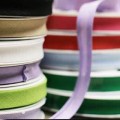
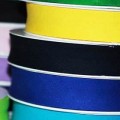
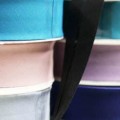
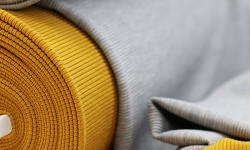
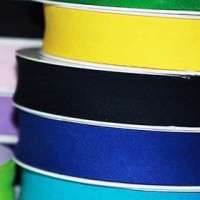
Bias binding finishes raw edges, reinforces seams, and adds decorative trim to garments and home textiles. The diagonal cut allows the tape to bend around curves without pulling or distorting. You'll find cotton, jersey, elastic, satin, and imitation leather varieties in widths from 12mm to 30mm. Orders ship from Tilburg, and full packages qualify for wholesale pricing that appears automatically at checkout.
Why the Bias Cut Matters
Cutting fabric at a 45-degree angle to the grain produces stretch in all directions. This is what gives bias binding its flexibility. When you fold it over a curved armhole or neckline, it molds to the shape without puckering. Straight-grain tape would resist and create ripples. You can use bias binding to encase raw edges for a clean finish, or apply it flat as a contrasting detail on pockets, seams, and hems. It works on woven fabrics like cotton and linen, as well as knits when you choose a stretch variety.
Cotton in Three Standard Widths
Cotton bias binding comes in 12mm, 20mm, and 30mm widths, each suited to different applications. The Cotton Bias Binding 12mm creates a narrow finish on baby clothes, lightweight blouses, and quilts where bulk would show. For general garment work, Cotton Bias Binding 20mm handles most projects without looking too heavy or too slight. It's a practical middle ground. When you need a bolder edge on aprons, bags, or outerwear, Cotton Bias Binding 30mm provides more visual weight and durability. All three are 100% cotton and come in 20-metre packages.
Stretch Tape for Movement
Cotton has limited recovery once stretched. For knit fabrics that need to move, Jersey Bias Binding 20mm blends 94% viscose with 6% elastane, giving it a soft hand and moderate stretch. Use it on T-shirts, loungewear, or children's clothing where comfort is more important than structure. When you're working with activewear, swimwear, or leggings, Elastic Bias Binding offers stronger recovery. This 17mm tape contains 70% polyamide and 30% elastane, so it snaps back after stretching and won't sag over time. Both types prevent wavy edges on knit fabrics where cotton would restrict movement.
Decorative and Specialty Finishes
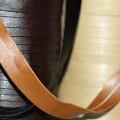
Satin Bias Binding 20mm brings a smooth, reflective surface that contrasts nicely with matte fabrics. The polyester construction makes it durable, though it shows wear faster than cotton with frequent washing. It suits evening wear, costume details, and gift items where a polished look adds value. For a modern edge, Bias Binding Imitation Leather 20mm combines 57% polyester with 43% polyurethane to mimic leather without the weight or cost. This tape works well on bags, jackets, and accessories. You'll need a leather needle and a longer stitch length to avoid perforating the coating. Both specialty tapes come in 25-metre packages.
Matching Tape to Fabric
Pair cotton binding with woven cotton, linen, or canvas for a natural look and compatible care. On knits, jersey or elastic varieties prevent the edge from pulling or restricting stretch. Satin can go on any base fabric but adds formality, so consider the garment's purpose. Imitation leather creates a firm edge, making it useful for structured bags and outerwear but too stiff for drapey garments. When working with curves, pin the binding in place first and ease it around tight corners. A binding foot attachment feeds the tape evenly, though hand-pinning gives you more control on complex shapes.
Practical Application Tips
Measure the perimeter you need to bind and add 10-15cm for overlap and adjustments. A standard adult neckline takes 60-70cm, while armholes need about 45-55cm each. Pre-folding and pressing the binding makes topstitching easier, especially on cotton and jersey. Use a pressing cloth on satin and imitation leather to avoid heat damage. If you're new to binding, practice on scrap fabric first to get the fold even and the stitching consistent. Once you've worked through a few metres, the rhythm becomes easier.
Order Bias Binding by the Metre or Package
You can purchase bias binding by the metre for sampling or small projects. Full packages qualify for wholesale pricing, with discounts applied automatically in your basket. This makes stocking up practical if you sew regularly or run a workroom. Browse the range to find the width, material, and colour that suits your current project. Orders ship quickly from Tilburg, so you can finish your work without long delays.
How do I choose between 12mm, 20mm, and 30mm width?
The 12mm width suits lightweight fabrics and delicate projects where a narrow finish looks proportionate. The 20mm width is the most versatile, handling everything from garments to quilts without looking too subtle or too bold. Choose 30mm when you want a strong visual line on bags, aprons, or outerwear.
Can I wash garments with bias binding?
Yes. Cotton, jersey, and elastic binding all tolerate machine washing at the same temperature as the base fabric. Satin and imitation leather need gentler care, so wash those garments inside out on a delicate cycle or by hand. Always check the care label of both the binding and the fabric before washing.
Do I need a special foot to apply bias binding?
A binding foot helps feed the tape evenly and keeps both edges aligned, which saves time on long seams. You don't need one though. Pin the binding in place and stitch with a standard presser foot, using pins to hold it steady on curves. Either method works, so use what you have available.
What's the difference between jersey and elastic bias binding?
Jersey binding has moderate stretch from 6% elastane and a soft drape, making it comfortable on T-shirts and loungewear. Elastic binding contains 30% elastane, giving it much stronger recovery for swimwear and activewear where the fabric stretches significantly. Jersey is softer, elastic is firmer and snaps back faster.
Can I use bias binding as piping?
No. Bias binding folds over edges to encase them, while piping sits between fabric layers with a cord inside to create a raised line. They serve different purposes and aren't interchangeable. For piping, you need a specific tape with cord and a zipper foot to stitch close to the bulk.
How much binding do I need for a quilt?
Measure all four sides of the quilt, add them together, then add 30-40cm for corners and joins. A standard single quilt perimeter is about 7-8 metres, so plan for 8-9 metres of binding. Larger quilts need more, so measure first and round up to avoid running short near the end.