Dye Lots and Colour Baths: Why Fabric Colour Can Vary Between Rolls
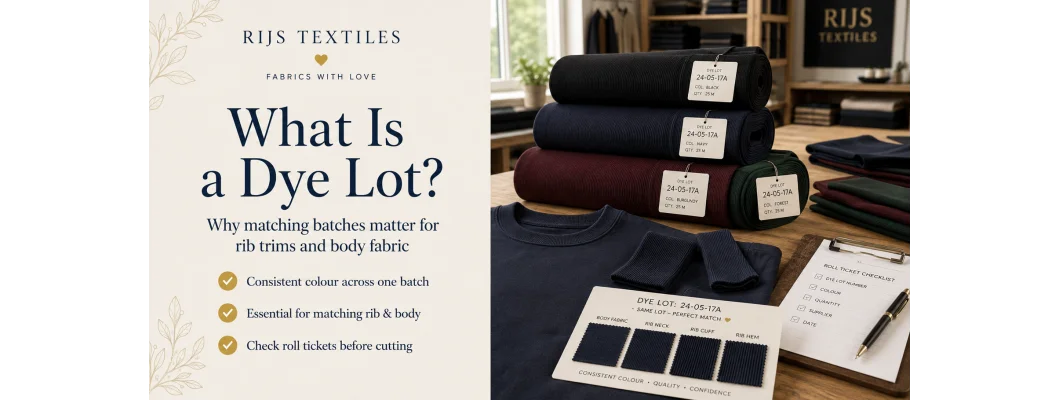
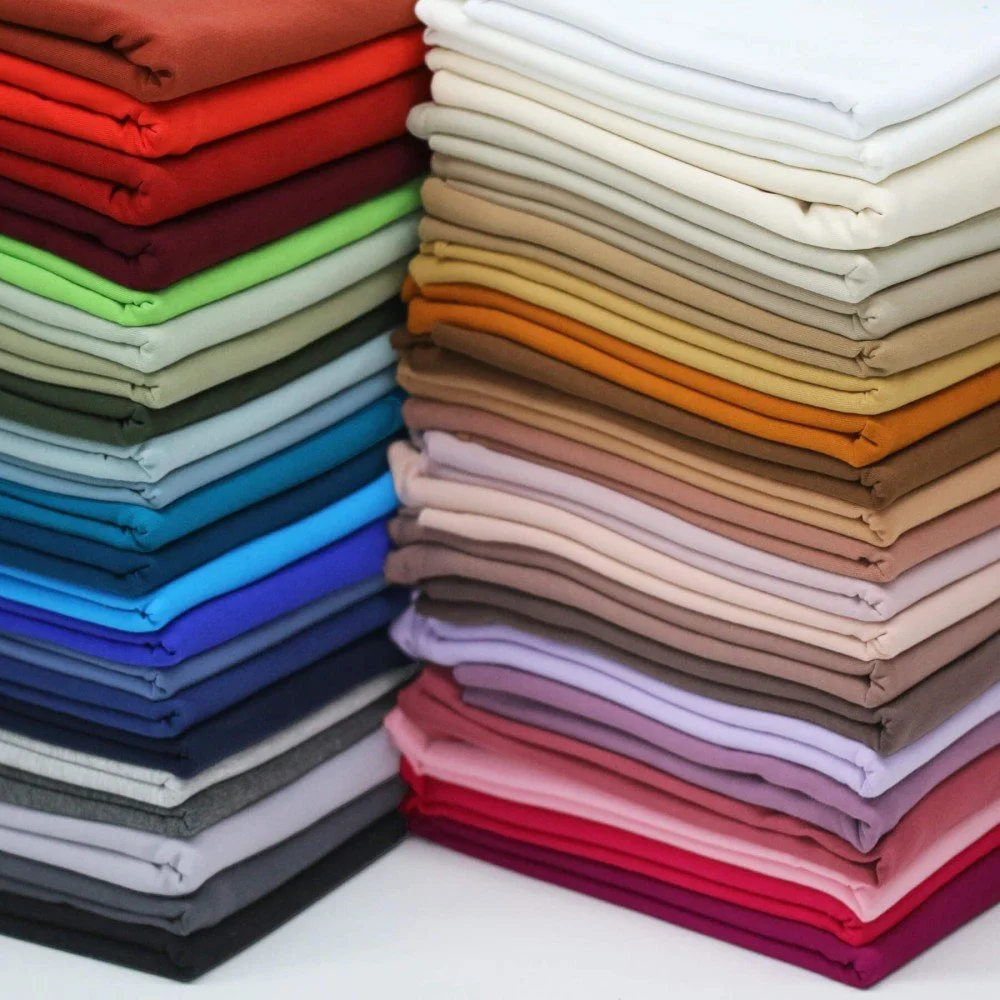
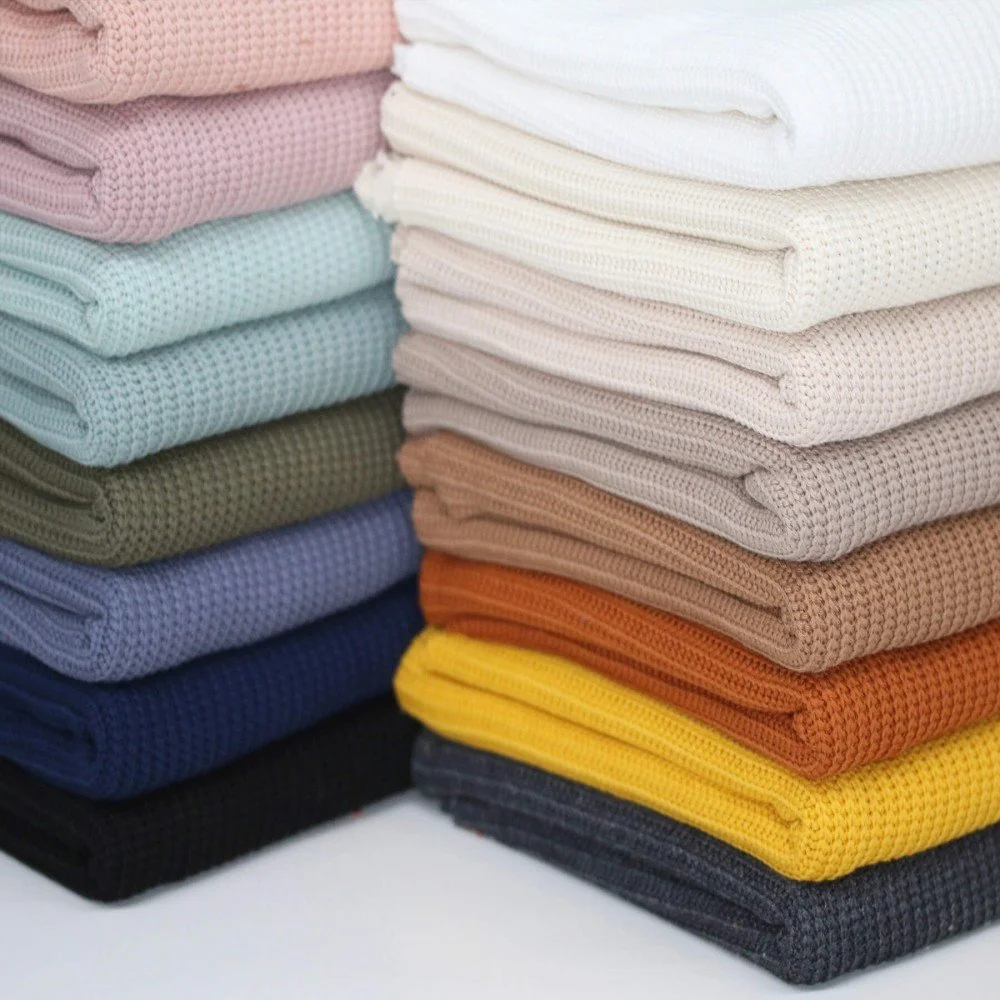
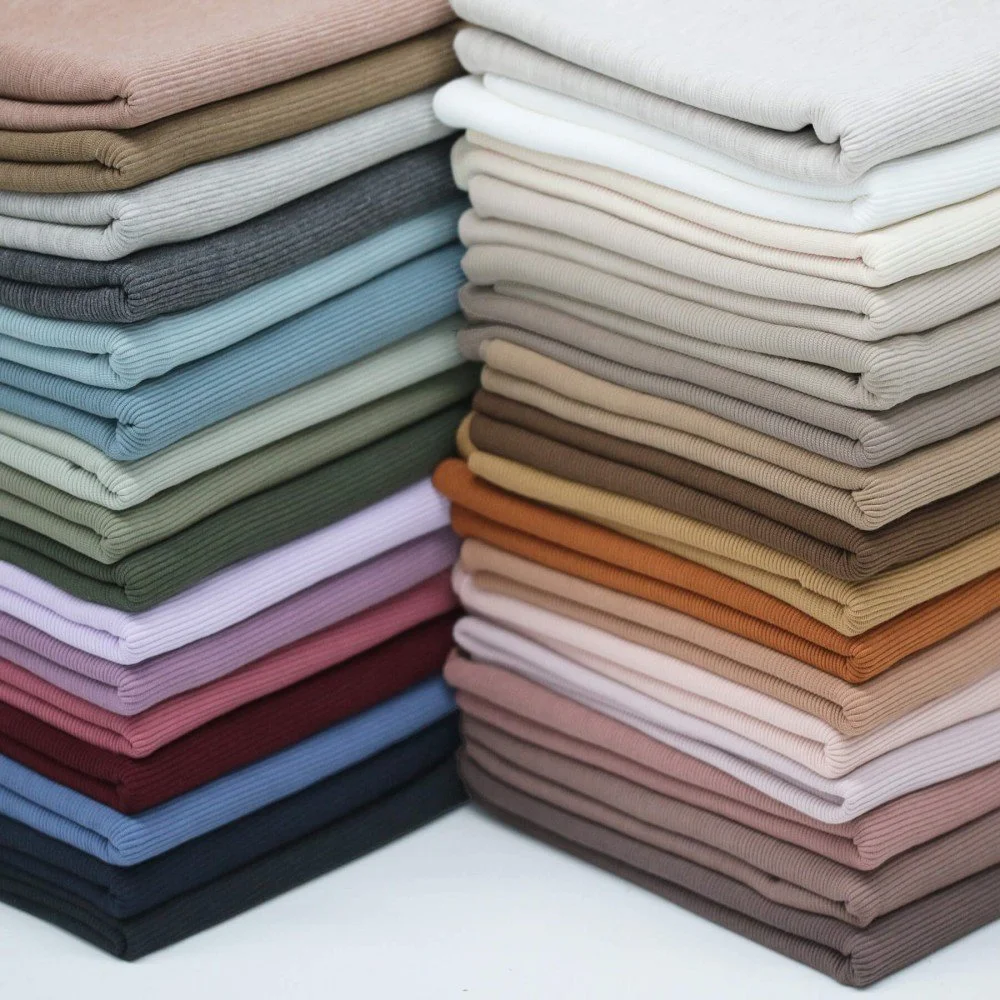
A dye lot is basically a fingerprint. Even when a mill uses the exact same recipe, the exact same fibre and the exact same machine, two separate vats of dye will never come out molecularly identical. Water temperature drifts a degree, the pH shifts slightly, the yarn takes up dye a touch differently depending on humidity that day. The result: two batches labelled the same colour name, sometimes even the same colour code, can sit half a shade apart under daylight. Anyone who has ever laid a dye lot of navy rib next to a "matching" navy jogging fabric from a different batch and seen the mismatch knows exactly what we mean.
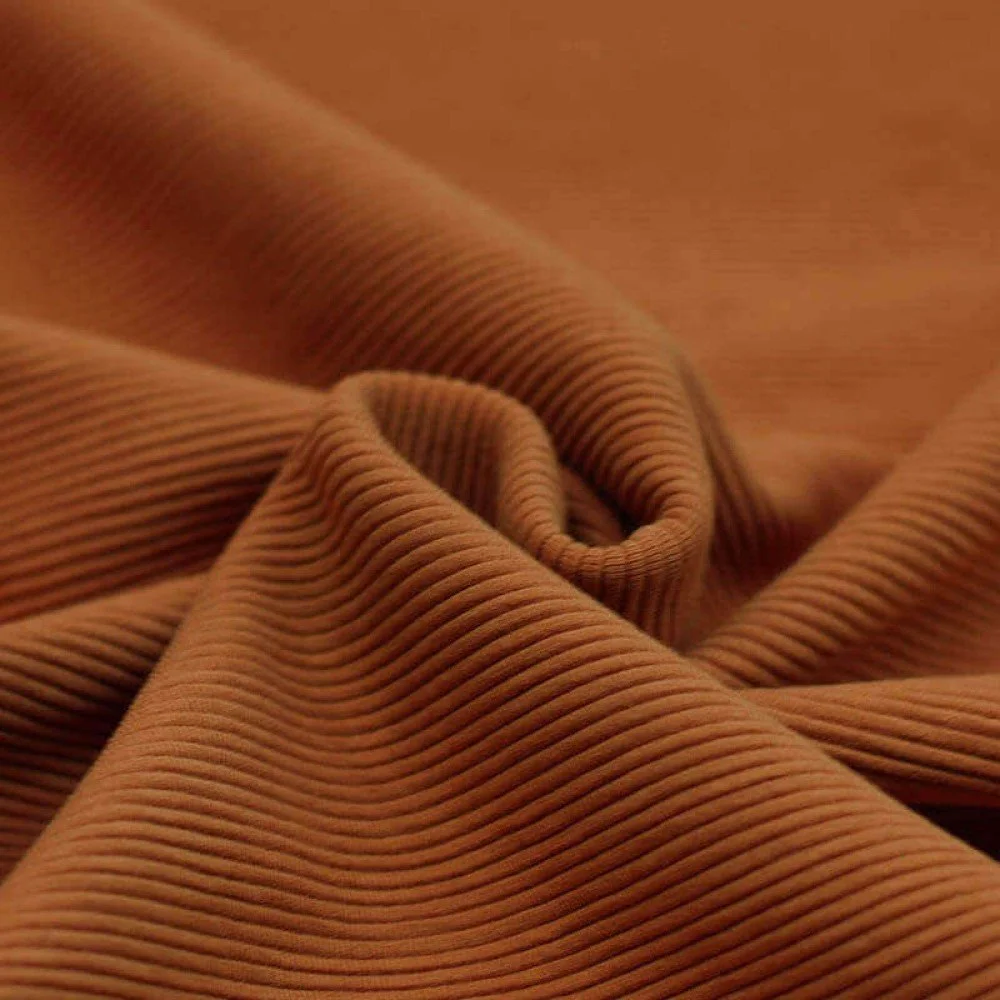
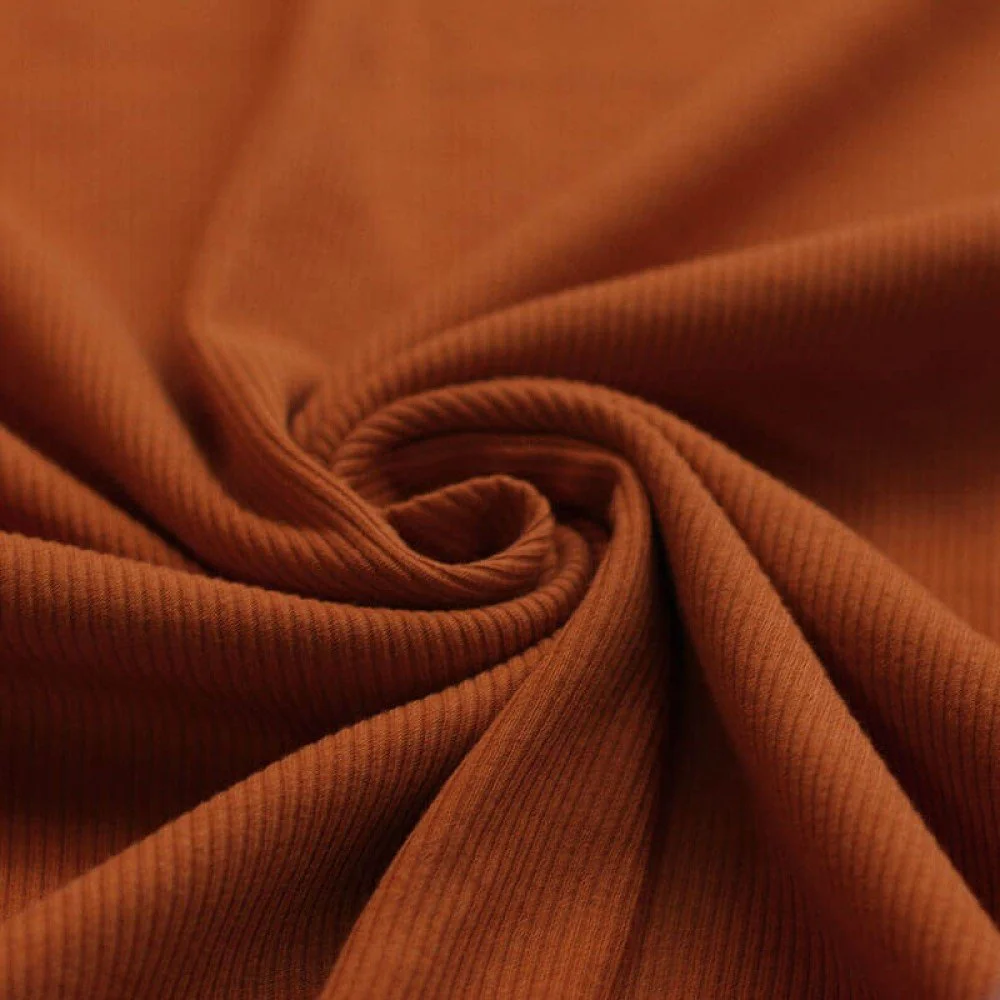
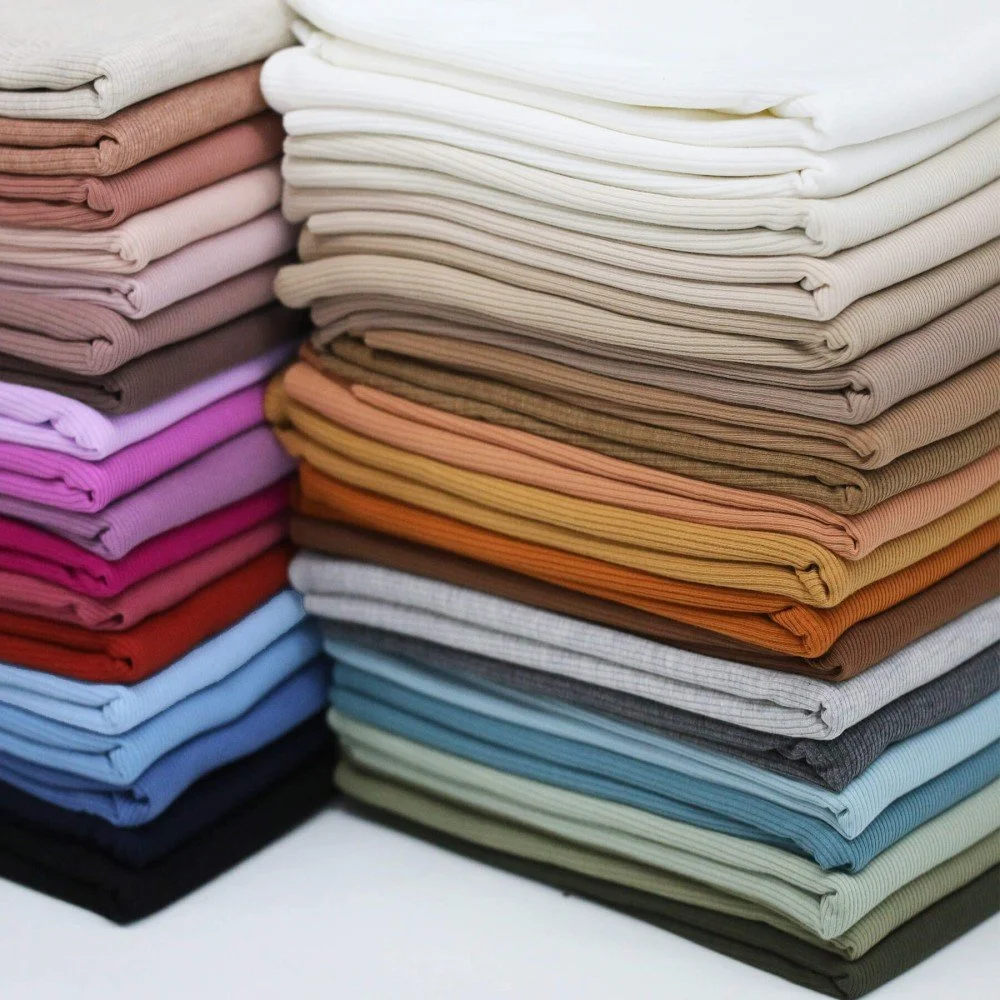
This is not a defect. It is how dyeing works. But it becomes a real problem the moment you are combining fabrics in one garment, for example a hoodie body in french terry fabric with cuffs and waistband in rib knit jersey fabric. If that rib comes from a different dye bath than the body fabric, you get a hoodie where the cuffs read slightly greyer or slightly bluer than the torso. Under shop lighting it might pass. Under a customer's bathroom mirror, it won't.
Origin and Production: Where Colour Variation Actually Starts
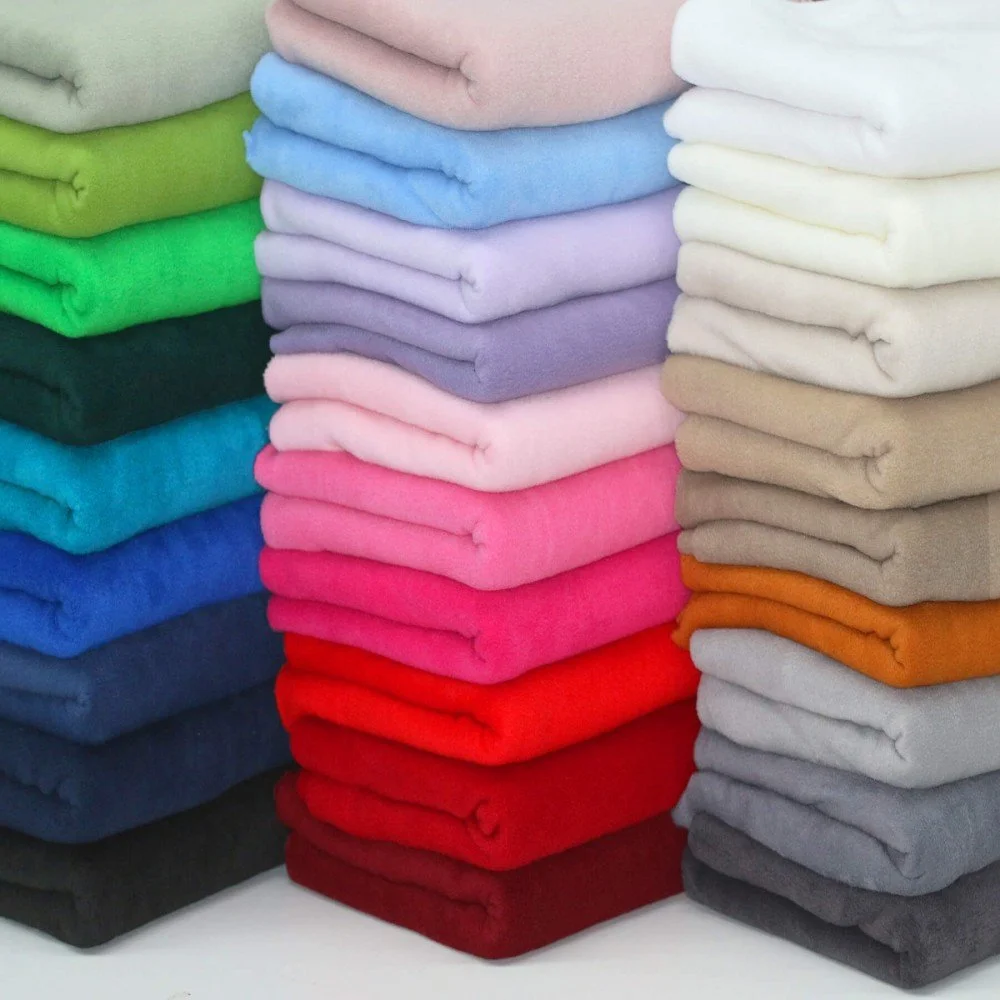
Dyeing happens after knitting, in large batches, vat by vat. A mill dyes a run of grey marl jersey on Tuesday and a run of the same grey marl on Thursday, and those two runs are two separate dye lots even if nothing in the recipe changed on paper. Cotton fibre itself adds variation, because raw cotton is a natural product and absorbs dye slightly differently depending on the harvest and the blend ratio. Our jogging fabric, for instance, is a fixed 80% cotton, 20% polyester blend across all 43 active articles, and that consistency in fibre composition is exactly what keeps colour variation between lots as small as possible. A blend that wanders from batch to batch gives the dye more to disagree with.
This is also why an experienced buyer never assumes that "cotton is cotton". Fibre content, blend ratio and finishing all affect how a dye lot takes colour, and that is knowledge a dropshipper reselling stock photos simply does not have.
How It Behaves: Weight, Stretch and Finish
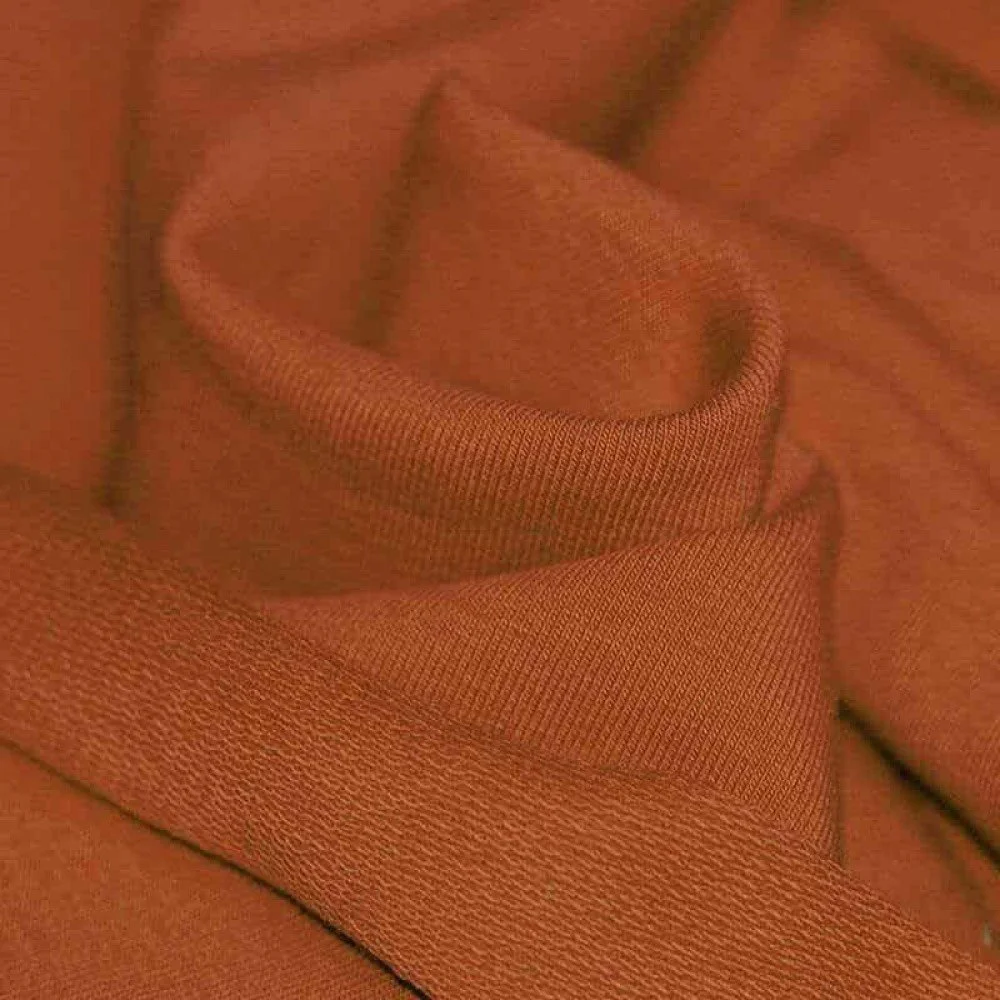
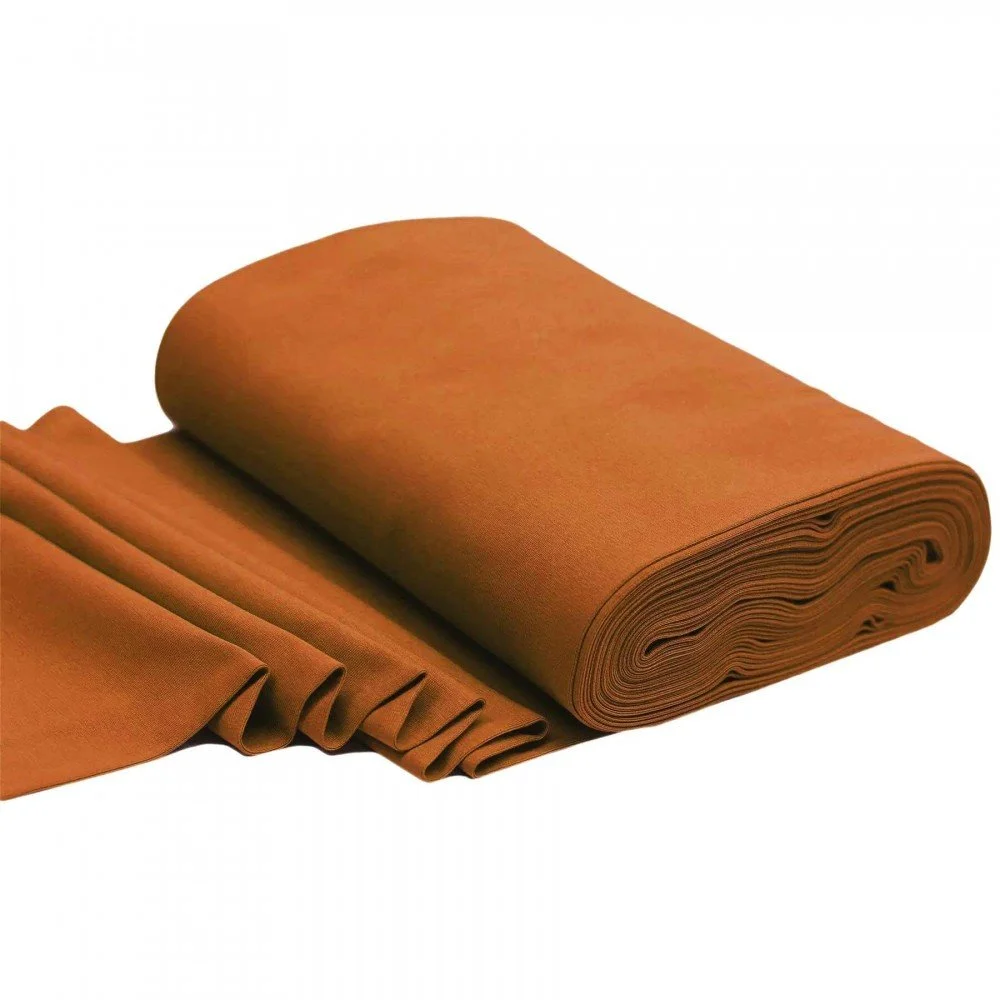
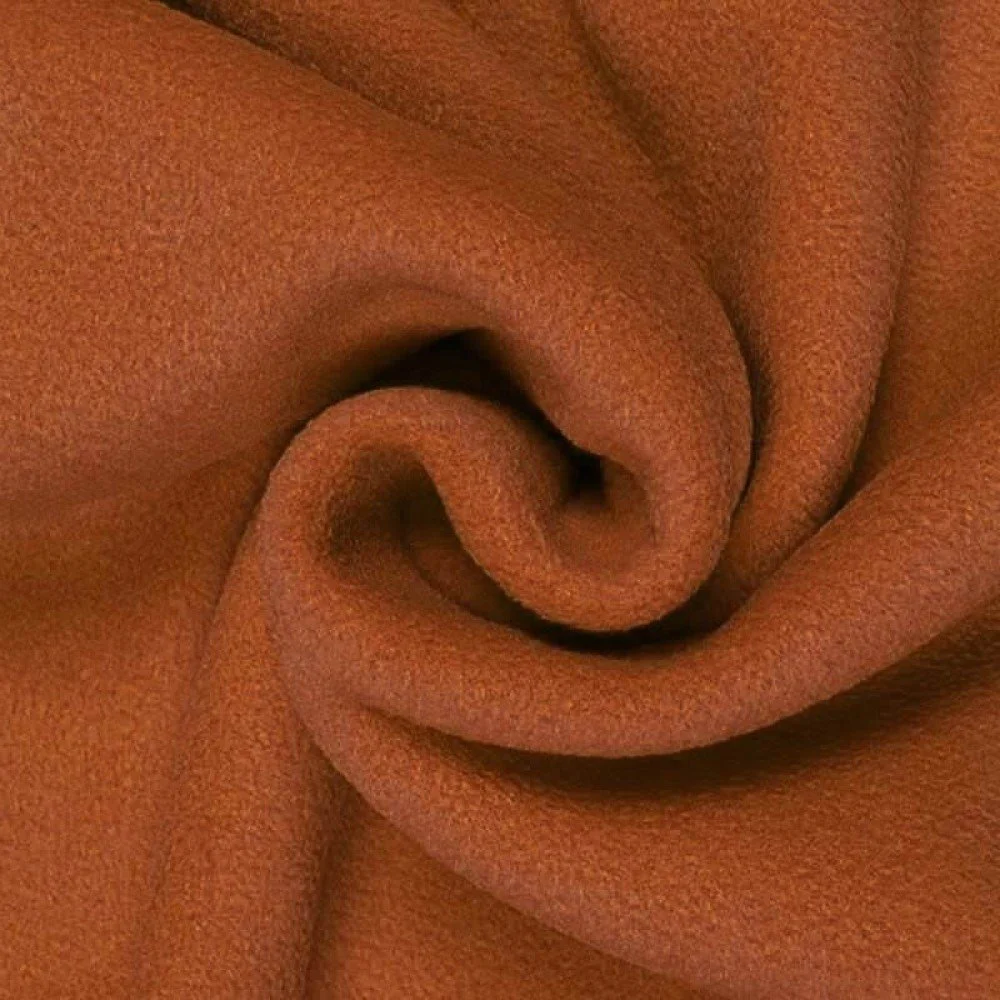
Our jogging fabric sits at a consistent 285 g/m2 across the full range, confirmed on all 43 articles, which puts it firmly in heavyweight territory. That weight, combined with a brushed back finish, is what gives it the soft inside face people expect from a proper jogging fabric or hoodie fleece. It is knitted as a three-thread fleece construction, four-way stretch, with medium drape and a matte, opaque face. Breathability is rated high despite the weight, which is worth knowing if you are planning sportswear rather than just casualwear.
All of this matters for dye lot conversations too. A heavier, brushed fabric absorbs and reflects dye differently than a smooth, lightweight jersey does. That is one more reason you cannot casually swap a rib trim from one supplier batch into a jogging body from another and expect the shade to sit right. The finish itself changes how the eye reads the colour, brushed surfaces often look a shade lighter or duller than a flat knit dyed from the exact same bath.
What We Carry: Matching Fabric and Trim in Practice
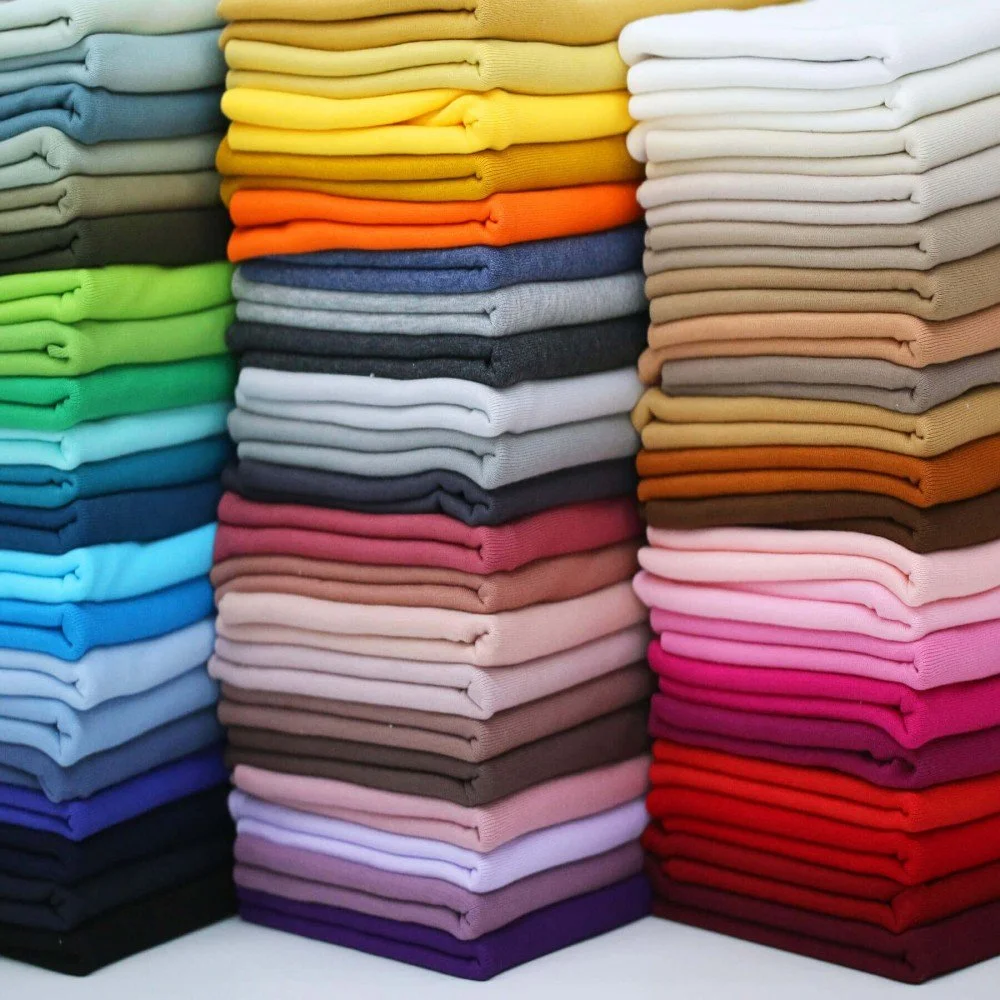
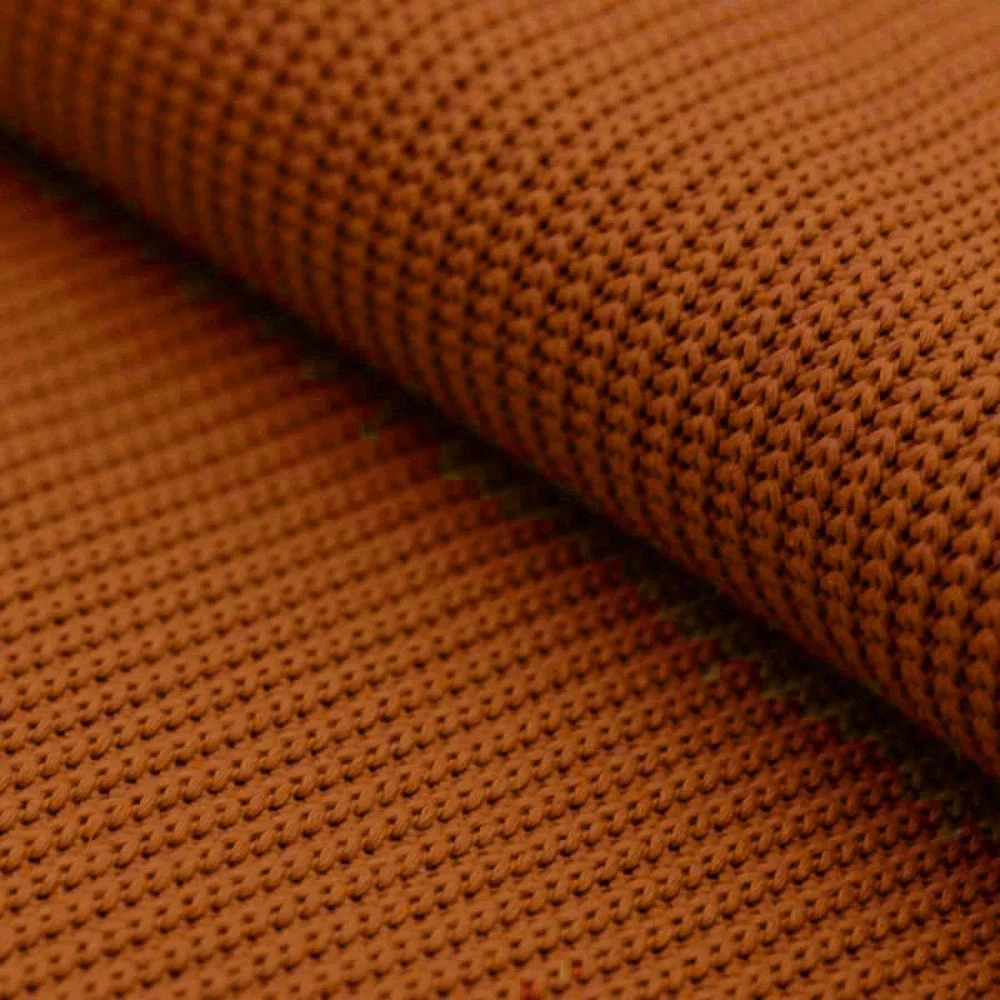
This is precisely why we push buyers to think about trims and body fabric together, not as two separate purchase decisions. If you are cutting hoodies, sweatshirts, jogging trousers, dresses, children's clothing, shorts or cardigans (all applications our jogging fabric is used for) the cuffs, hems and waistbands usually come from a rib. Whether you reach for a classic rib knit jersey fabric, a heavier rib loop terry fabric, or something with more texture like ottoman rib jersey fabric, the golden rule stands: order body and trim together, in the same run, so you know they left the same colour bath.
We apply the same logic across our other loop and pile knits. If a project calls for terry fabric or a textured waffle knit jersey fabric alongside your jogging fabric, we always recommend checking both against a physical swatch before cutting a full series, not just against a screen or a colour code. It is also why lines using baby knit fabrics deserve the same caution, small colour shifts are far more visible on a small garment than on an adult-sized one. Buyers working with knitted corduroy jersey fabric trims run into the exact same rule, corduroy's raised wale catches light differently than a flat rib, so a dye match that looks fine on paper can still look off on the rail.
Who This Material Works For, and Who Should Think Twice
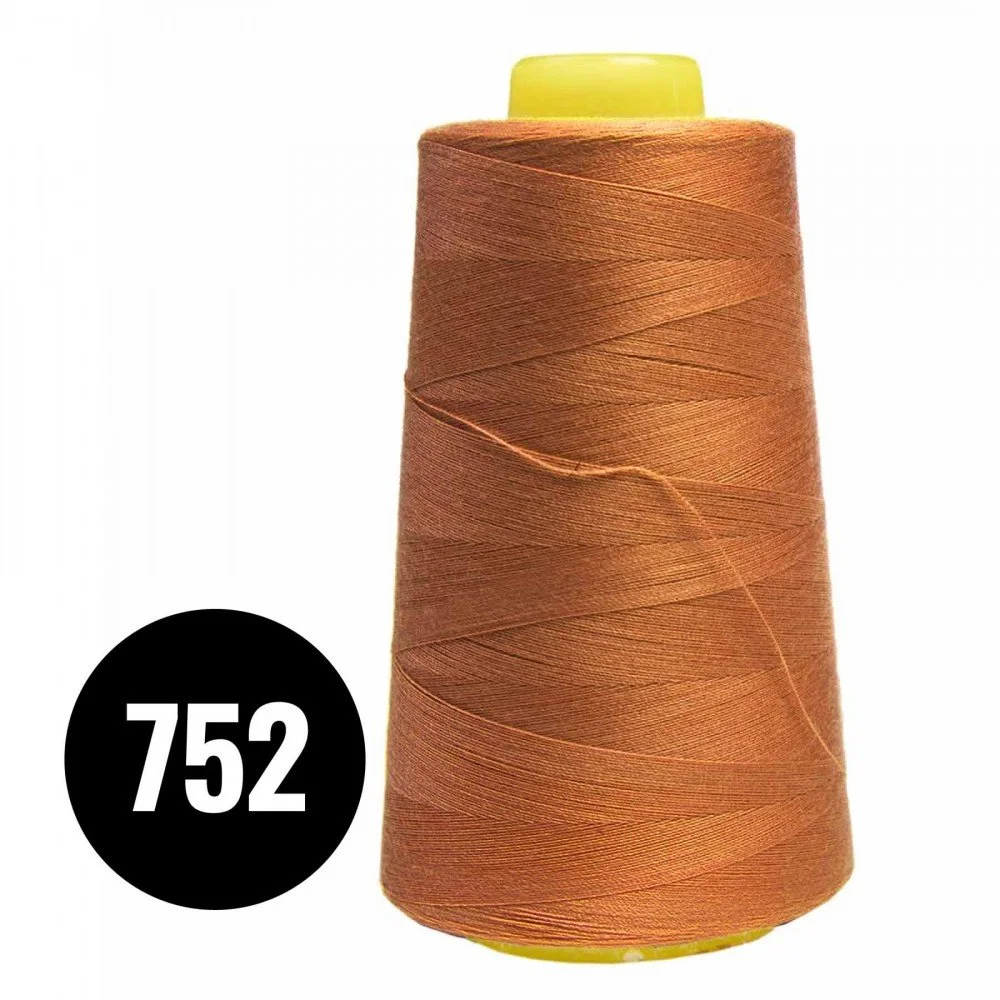
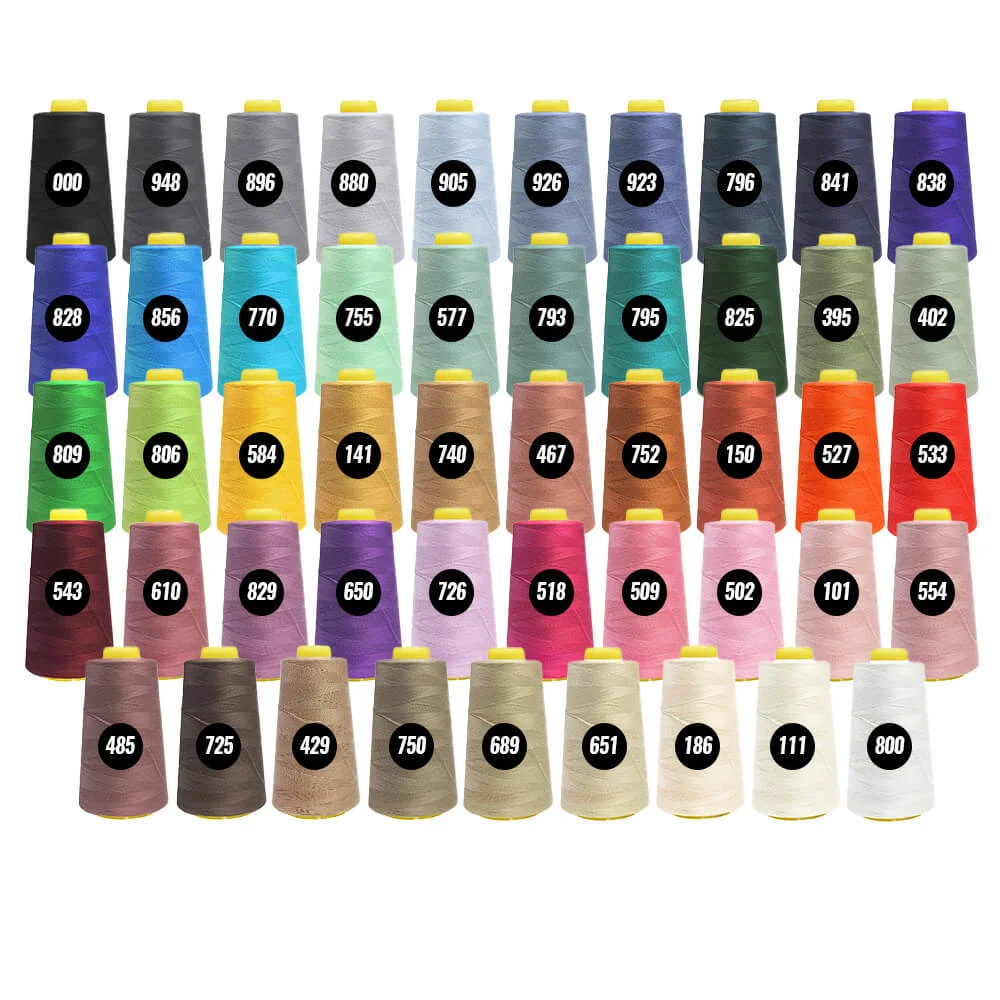
Jogging fabric at this weight and finish suits anyone building autumn and winter ranges: hoodies, sweatshirts, joggers, kids' collections, sportswear. The brushed back and four-way stretch make it forgiving to work with across a season. Where it does not work is warm-weather lines, this is not a summer fabric, and the 30°C wash instruction is worth flagging to your own customers on the care label. If your collection depends on multiple pieces cut from body fabric and rib trim reaching the shop floor in identical shades, always order them as one coordinated purchase rather than two separate ones bought weeks apart. For finishing touches like zippers ykk or matching yarns from our knitting and crochet yarn range, the same rule of thumb applies: check the actual physical sample against your fabric before committing to a full production run.
FAQ
What exactly is a dye lot?
A dye lot is one single batch of fabric or yarn dyed together in the same vat, at the same time, under the same conditions. Everything from that one batch will match. Fabric from a different batch, even with an identical colour name or code, is a different dye lot and can differ subtly in shade.
Why can two rolls with the same colour code still look different?
Small shifts in water temperature, dye concentration, timing and fibre uptake between batches all affect the final shade. Brushed or textured finishes, like the brushed back on our jogging fabric, can also make the same dye read slightly differently depending on how light hits the surface.
Does fibre blend affect dye lot consistency?
Yes. A fixed blend, like the 80% cotton and 20% polyester used across our full jogging fabric range, gives dye more consistent conditions to work with than a blend ratio that varies. Cotton itself is a natural fibre, so it always introduces some variation batch to batch.
How should we order body fabric and rib trim to avoid mismatches?
Order them together, in one purchase, rather than the fabric now and the trim later. And always check a physical swatch of both against each other before committing to a full production run. Screens and colour codes do not reliably show the kind of subtle shift that shows up on a rack of finished garments.